
Introduction: A New Era of Gemological Transparency
In January 2026, the Gemological Institute of America (GIA), the world's foremost authority in gemology, will implement a significant transformation of its colored gemstone reporting services. This update represents more than a simple refresh; it is a strategic enhancement designed to provide greater clarity, confidence, and narrative depth to every gemstone transaction.
By expanding origin determination to new categories of stones and introducing a redesigned report format, GIA is responding directly to the market's demand for unparalleled transparency and robust provenance. For collectors, retailers, and consumers, these changes will fundamentally alter how gemstone quality, authenticity, and value are communicated and understood.
Decoding the Major Changes: What’s New in 2026
The upcoming revisions are built on three core pillars: an expanded scope of analysis, a user-friendly report design, and an updated service structure.
Broadening the Scope of Origin Determination -
The most impactful change is the significant expansion of gemstones eligible for a country-of-origin determination. Provenance has long been a critical factor in valuing gems like rubies and emeralds, and GIA is now applying this rigorous science to a wider array of stones.
The New Additions: Starting in 2026, GIA reports will provide origin information for:
Existing Origin Services: GIA will continue to offer origin determination for alexandrite, emerald, Paraíba tourmaline, red spinel, ruby, and sapphire.
This expansion empowers buyers and sellers in markets for these stones. Knowing whether a demantoid garnet hails from Russia's Ural Mountains or Namibia, for instance, provides essential context for its rarity and market value.
A Redesigned Report for Enhanced Storytelling -
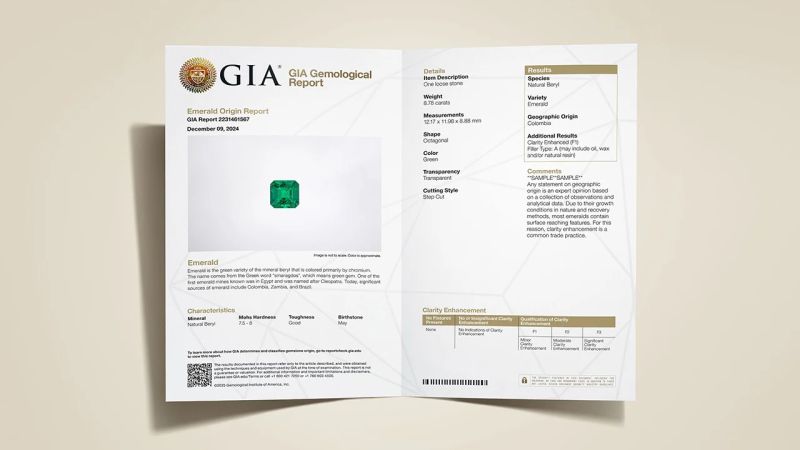
GIA is moving beyond a purely technical document. The new report design aims to "highlight the most relevant gemological information" in a clear, visually intuitive layout. The goal is to make it easier for both trade professionals and end consumers to quickly grasp the unique characteristics that define a gem's identity and worth.
This shift towards "enhanced storytelling" means key data points like origin, treatment status, and defining visual features will be presented to better convey the gem's complete narrative.
Revised Weight Categories and Fee Structure -
Concurrent with these service upgrades, GIA will implement revised weight categories for colored stone submissions. This re-categorization will directly affect the pricing structure for report services.
While the specific new fee schedule will be published on GIA.edu on January 1, 2026, stakeholders should anticipate that these updated categories and fees will apply to all stones submitted on or after that date. This adjustment likely reflects the increased research and analytical work involved in providing expanded origin services.
The Foundation of Trust: GIA's Unmatched Research
These advancements are not arbitrary; they are built on decades of scientific rigor and fieldwork. Shane McClure, GIA's Global Director of Colored Stone Services, emphasizes that the expanded services are based on the institute's extensive research and reference collection.
A Global Reference Library: GIA's conclusions are backed by a meticulously assembled collection of over 32,000 gemstone samples, gathered by field gemologists from deposits around the world. This physical library allows gemologists to compare a submitted stone against verified specimens from known origins.
75 Years of Expertise: GIA began colored stone reporting more than 75 years ago. The cumulative knowledge of its global network of researchers and gemologists forms the bedrock of its industry-leading authority.
This commitment to research ensures that an origin statement on a GIA report is a scientific opinion of the highest integrity, giving all market participants a common, trusted basis for decision-making.
What This Means for the Gem and Jewelry Trade
The implications of GIA's update are profound and far-reaching across the industry.
For Sellers & Retailers: The enhanced reports serve as a powerful marketing and educational tool. They provide a trusted, third-party narrative that can justify premium valuations for stones from celebrated origins (like Burmese jadeite or Guatemalan omphacite jade) and build consumer confidence. Retailers can leverage the clearer report format to demystify gemology for customers, fostering trust and facilitating sales.
For Buyers & Collectors: Consumers gain an unprecedented level of protection and insight. The expanded origin reporting closes information gaps in the market, reducing the risk of misrepresentation. A GIA report transforms from a simple authenticity certificate into a gemstone's biography, detailing its natural provenance and any treatments it has undergone. This empowers buyers to make investments based on clear, comparable data.
Market Dynamics: As noted by industry expert, for a lab to offer origin determination requires immense research effort and is highly valued by the trade. This move is seen as aligning with a broader industry trend towards heightened provenance and traceability, similar to initiatives in the diamond sector. It will likely elevate the overall market standards for transparency.
Navigating the New System:
GIA offers a tiered system for colored stones. The core service for any polished gem is the Colored Stone Identification Report, which identifies the material, notes if it's natural or synthetic, and lists any detectable treatments.
The Colored Stone Identification & Origin Report includes all of the above and adds the geographic origin for eligible stones. It's crucial to note that if the origin cannot be conclusively determined, the report will state "inconclusive," and only the standard Identification Report fee will be charged.
A suite of Add-On and Follow-Up Services is available, including express turnaround, laser inscription of report numbers on a gem's girdle, and report verification or updates.
Beyond Colored Stones:
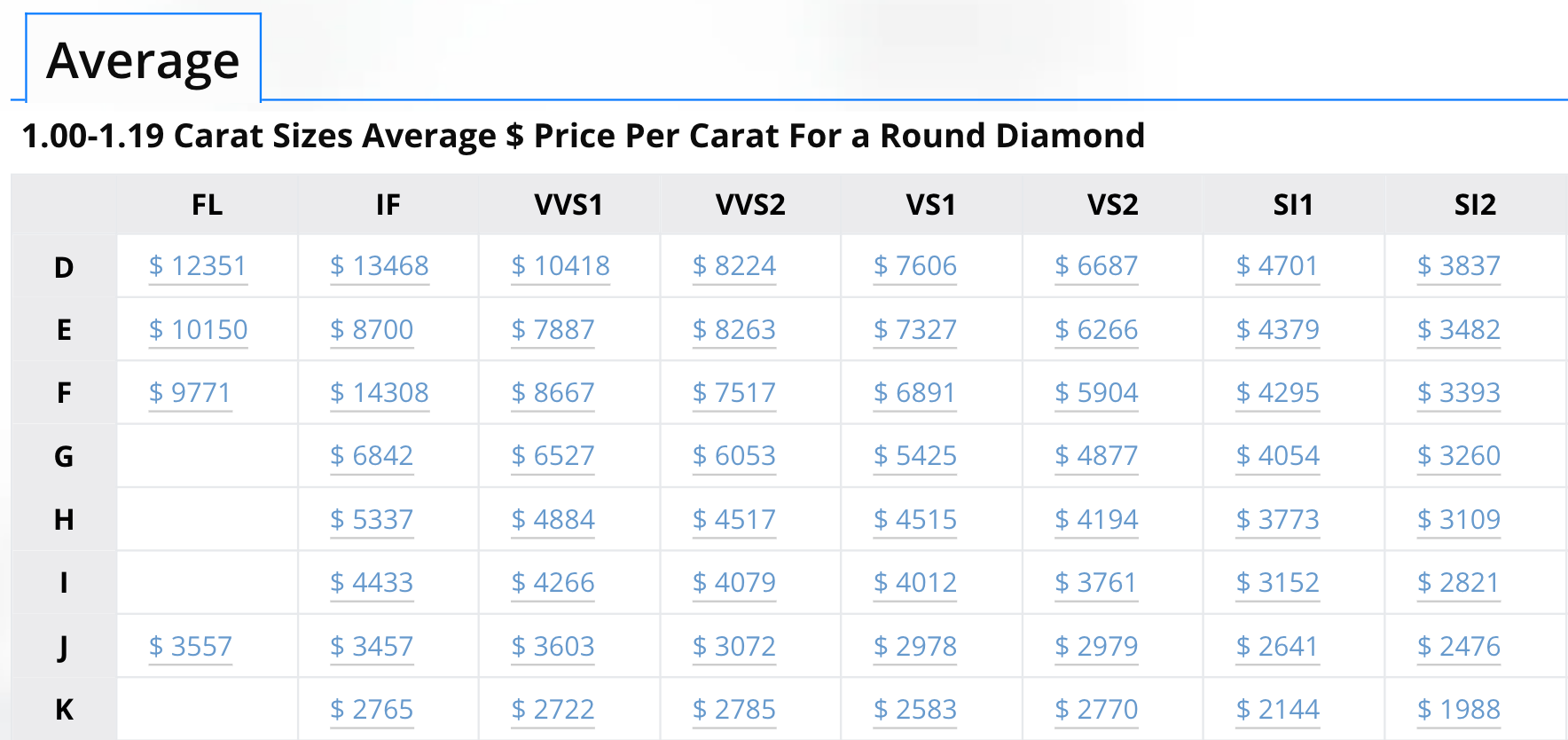
While this update focuses on colored gemstones, GIA's overarching mission is to provide a universal standard for gem quality. This is best exemplified by the International Diamond Grading System™ the famous "4Cs" (Cut, Color, Clarity, and Carat Weight) developed by GIA in 1953. This system created a common language for evaluating diamond quality that is now used globally, providing consumers with an objective benchmark that underpins value and comparison.
Whether for a diamond or a demantoid garnet, a GIA report serves the same fundamental purpose: to transform subjective beauty into objective, documented fact. It is this rigorous commitment to science that makes GIA reports the preferred documentation for insurance, resale, and generational inheritance.
Your Partner in a Transparent Market: CaratX
In a market evolving towards greater transparency, having the right platform is essential. CaratX is designed to empower your business in this new environment.
Source with Confidence: Explore our curated marketplace for natural diamonds and gemstones, where you can seek out stones that align with the new standards of documentation and provenance.
Expand Your Reach: Our seller plan provides a gateway to list and sell your jewelry and gemstones to a vast network of B2B and B2C buyers across 18+ international countries. Present your GIA-certified items with the detailed narratives they deserve.
Understand Your Costs: To plan effectively for the new GIA fee structure, review our clear breakdown of pricing and launch services for selling on our platform.
Conclusion
The GIA's 2026 report overhaul is a landmark development for the gemstone industry. By expanding origin services, refining report design, and grounding everything in immutable research, GIA is strengthening the very foundation of trust that the global gem trade relies upon. For everyone involved from miner to retailer to collector these changes promise a future where value is clearer, stories are richer, and confidence is paramount.
Frequently Asked Questions (FAQs)
1. When do the new GIA colored stone reports and services take effect? The redesigned reports and expanded origin services will launch on January 1, 2026. The new weight categories and fees will apply to items submitted on or after that date.
2. If I submit an opal after January 2026, will its origin be determined? Yes. As of January 1, 2026, opal is one of the new gem types for which GIA will provide a country-of-origin determination when scientifically possible, alongside peridot, demantoid garnet, and specific untreated jades.
3. What happens if GIA cannot determine the origin of my eligible gemstone? If the laboratory cannot reach a conclusive opinion on geographic origin, the report will be issued with the origin result listed as "inconclusive." In this case, you will be charged the fee for a standard Colored Stone Identification Report based on the stone's weight.
4. Where can I find the new fee schedule for submitting colored stones? The updated fee structure, reflecting the new weight categories, will be available on the official GIA.edu website on January 1, 2026. You can check the "Analysis & Grading Fees" section at that time.
5. How does GIA's colored stone origin service differ from a diamond report? A diamond grading report focuses on quality analysis (the 4Cs), while a colored stone origin report primarily identifies the stone, detects treatments, and, for eligible types, determines its geographic provenance. Origin is a key value factor for colored gems like rubies or emeralds, whereas a diamond's value is tied more directly to its grade.
Image Credit - GIA