
Global Diamond Market Regional Pulse: A Analysis of Key Trading Hubs
Home
News And Media Global Diamond Market Regional Pulse: A Analysis of Key Trading Hubs SHOP NOWHome
News And Media Global Diamond Market Regional Pulse: A Analysis of Key Trading Hubs SHOP NOWMay, 14, 2026 by Archit Mohanty 0 Comments
The global diamond market is at a pivotal juncture. As we move through 2025 and into 2026, the industry is being reshaped by diverging regional demands, the sustained rise of lab-grown diamonds (LGDs), and renewed consumer focus on quality and ethical sourcing.
This report analyzes the current state of the diamond industry across key markets the United States, Belgium, Israel, India, and Hong Kong while exploring investment trends, ethical considerations, and future opportunities. For industry professionals and investors, understanding these complex dynamics is more crucial than ever. Platforms like CaratX are becoming essential hubs for navigating this new landscape, connecting sellers and buyers across 18+ international countries.
The diamond market is no longer a monolithic entity. Instead, it has splintered into distinct segments, each with its own drivers and challenges. Globally, natural diamond supply has hit multi-decade lows, with production estimated at just over 100 million carats in 2025, the lowest annual output since 1992. While this supply constraint could support prices, demand remains a mixed picture.
On one hand, the market for larger, high-quality natural diamonds shows resilience. According to the Diamond Index, prices for 3-carat diamonds stabilized and even saw a slight increase in 2025, highlighting a "flight to quality" among affluent buyers. On the other hand, smaller commercial goods (0.30 to 0.50 carats) have faced significant price pressure, falling 6.4% to 9.3%. This bifurcation is a direct result of changing consumer preferences and the disruptive influence of lab-grown diamonds.
The performance of the diamond market varies dramatically by region, reflecting local economic conditions, cultural values, and industry structures.
The United States remains the world’s largest diamond market, and its performance is a key bellwether for the global industry. Heading into the major Las Vegas jewelry shows, the U.S. market is showing solid stability, particularly for specific diamond categories.
Consumer Trends: U.S. consumers are gravitating towards higher-quality pieces. The Natural Diamond Council (NDC) reported that specialty jeweler sales of natural diamonds grew by 2.1% in 2025, while the average price of natural diamond jewelry increased by 10%. This trend is also visible in the engagement ring market, where the average price rose 9% to $7,364 in 2025.
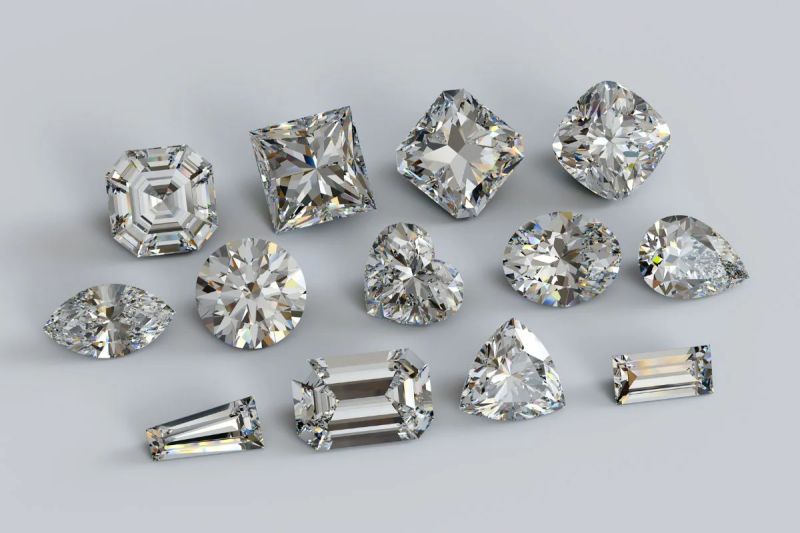
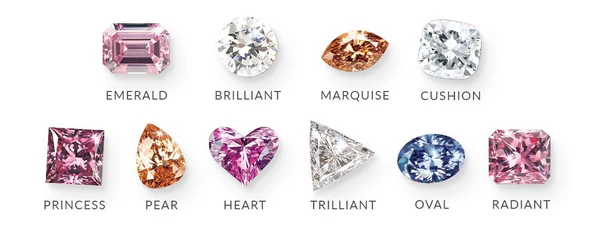
Hot Commodities: Demand is picking up for "oversizes" round diamonds in the 1.20 and 1.70 carat ranges, particularly those with G-I color, VS1-SI1 clarity, and excellent cut (3X) grades. Antique shapes like old mine and European cuts are also moving well in larger sizes, reflecting a growing appetite for unique, vintage-inspired designs.
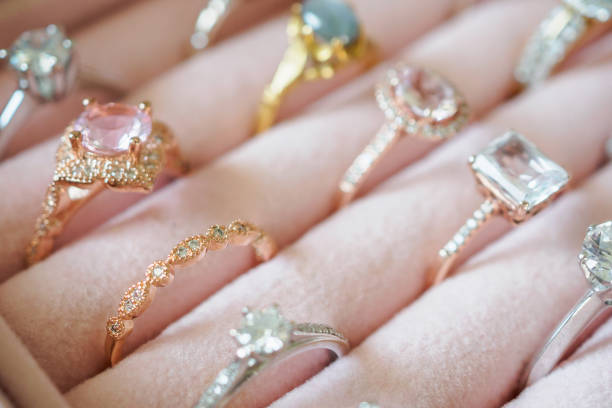
Jewelry Trends: Beyond loose stones, layouts for necklaces, tennis bracelets, and rings are performing exceptionally well, indicating robust demand for finished diamond jewelry.
For U.S. retailers looking to source these in-demand diamonds, the CaratX marketplace offers direct access to a global inventory of certified natural diamonds.
The Antwerp diamond district, a historic cornerstone of the global trade, is adapting to a new reality. A large contingent of Antwerp exhibitors was present at the GemGeneve show in Geneva, which took place from May 8-11, 2025.
Show Sentiment: Reports from the fair were mixed. While buyer traffic was described as muted, the presence of dedicated European customers and a notable absence of Middle East visitors highlight a regional realignment of trade flows. The market is stabilizing, with a continued focus on large, premium diamonds.
The Israeli diamond industry is navigating a severe crisis. Fewer Israeli companies are planning to attend major shows like Las Vegas, citing market slowdowns and logistical concerns.
Sharp Export Decline: The numbers are stark. Israel’s polished diamond exports fell by 47% year-on-year to $208.6 million. Industry leaders have described U.S. tariffs as an "existential threat" to the sector, which accounts for roughly 8% of Israel’s total exports. Net exports of rough and polished diamonds fell 23% year-on-year in the first eight months of 2025.
Impact: Dealers were notably disappointed with the outcomes of the GemGeneve show, further dampening sentiment. The crisis underscores the vulnerability of regional hubs to geopolitical and trade policy shifts.
India presents a story of two markets. On one hand, its massive domestic market is booming, driven by cultural affinity for gold and diamonds. On the other, its critical polishing industry remains cautious.
Domestic Strength: India's domestic market is a key global bright spot. Titan Company, India’s largest jeweler, reported a staggering 89% year-on-year rise in jewelry sales, reaching $2.62 billion for the quarter ending March 31.
Policy Shocks & Global Role: While the domestic market soars, Prime Minister Narendra Modi’s call to curb gold buying and a hike in import duties sent ripples through the market. Internationally, Indian polished manufacturing remains muted during the May vacation period, but U.S. buyers continue to seek goods, providing a floor for the market.
Opportunity: For international buyers, India remains a vital sourcing hub. CaratX provides a seamless platform for international buyers to connect with Indian sellers and source polished diamonds directly.
The Greater China region is experiencing a profound shift. The markets of Hong Kong and mainland China are moving in opposite directions regarding diamond preferences.
Hong Kong: Consumers are actively buying 0.50 to 1.50 carat, D-F color diamonds for gifting. There is also steady investment demand for high-end, flawless (IF-VVS) stones from 3 to 10 carats. Notably, natural diamonds saw positive sales over Mother’s Day.
Mainland China: The mainland market is rapidly shifting towards synthetics. Natural diamonds under 1 carat are becoming "hard to sell," while fancy color diamonds continue to find a niche audience.
Market Contraction: Data from the Gems & Jewelry Trade Association of China illustrates the challenge: the diamond market size contracted sharply from RMB 100 billion in 2021 to RMB 43 billion in 2024, a 57% decline. This shift represents a major challenge for natural diamond miners and marketers.
The tension between natural and lab-grown diamonds is the most significant factor shaping the industry today. For a detailed, science-based explanation of how LGDs are created, CaratX’s guide on CVD vs. HPHT methods is an invaluable resource. This guide can be found on the CaratX Education page.
Price Collapse of LGDs: The wholesale price of lab-grown diamonds has collapsed. Industry analyst Edahn Golan notes that the average wholesale price of 1-carat and 2-carat lab-grown diamonds has fallen by as much as 96% since 2018.
Consumer Sentiment Shift: However, there are signs that the pendulum is swinging back. The World Diamond Council reports that lab-grown diamonds are "losing their appeal due to oversupply," and consumer preferences are starting to shift back to natural stones. Experts warn that LGD prices could drop so low that they become fashion accessories, no longer competing with natural diamonds in the critical bridal market.
China's Unique Case: In a surprising twist, a survey by Chow Tai Fook revealed that 74% of Chinese consumers still consider natural diamonds more valuable than lab-grown ones. This suggests that the mainland's shift to synthetics might be driven more by affordability than by a lack of perceived value.
For a deeper understanding of the cultural and economic value of natural diamonds, CaratX’s guide to natural diamonds provides essential insights.
Despite market volatility, diamonds continue to be viewed as a store of value by many investors, particularly in markets like India and the UAE.
Long-Term Value: High-quality natural diamonds have shown an average price increase of 3% year-over-year over the last three decades.
Top Performers: Recent data identifies 5-carat round brilliant diamonds as top investment performers, with prices climbing 8.4% quarter-on-quarter in early 2026, and annual returns for top categories ranging between 12.2% and 14.7% in dollar terms.
A Note of Caution: Some academic research suggests that diamonds are no longer a reliable "safe haven" asset in a portfolio, especially in the face of technological disruption from LGDs. As such, investors are advised to focus on rare, high-quality stones with verifiable certifications. To start building a portfolio, you can shop natural diamonds from the CaratX marketplace.
In a fragmented market, efficient and trusted platforms are essential. CaratX serves as an exclusive diamond and gemstone hub, connecting retailers in 16 countries. CaratX empowers businesses by:
Reducing Costs: By connecting the industry on a single marketplace, CaratX helps cut costs for sellers and buyers alike.
Global Reach: Sellers can register on the CaratX marketplace to start selling to B2B and B2C buyers across 18+ international countries.
Accessibility for All: Entrepreneurs can sell jewelry internationally through the CaratX seller plan. The platform also offers competitive pricing and seller plans, with more details available on the CaratX Pricing page.
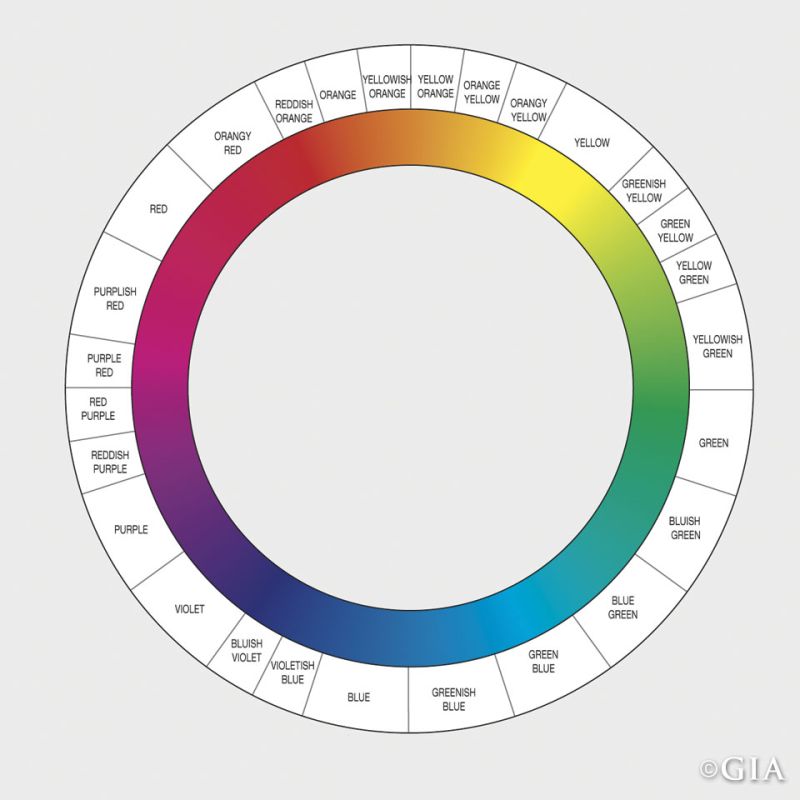
Educating the Market: CaratX is committed to education, providing guides on topics ranging from diamond inclusions and color hues to the anatomy of a diamond bracelet.
The global diamond market is undergoing a transformation. The rapid expansion of lab-grown diamonds has pressured lower price points, but it has also clarified the unique value proposition of natural stones: rarity, heritage, and enduring investment value. The market for premium natural diamonds remains strong, supported by wealthy consumers in the U.S. and India.
Success in this new era will depend on transparency, traceability, and targeted marketing. For buyers, the opportunity lies in acquiring high-quality, certified stones at attractive valuations. For sellers, the path forward requires leveraging global platforms like CaratX to access new markets and buyers.
A: For long-term investment and value retention, natural diamonds are the superior choice. Lab-grown diamonds have seen their prices plummet by up to 96% since 2018 due to oversupply and mass production. Natural diamonds, particularly rare, high-quality stones, have shown consistent long-term value appreciation.
A: Look for diamonds that come with a Kimberley Process Certification Scheme (KPCS) certificate, which guarantees they are conflict-free. Additionally, purchasing from reputable sellers who provide GIA or other major lab certifications ensures a verifiable chain of custody.
A: Diamond prices vary due to several factors, including local taxes and import duties (like the recent hike in India), labor costs (lower in India for cutting and polishing), regional demand (high demand for specific shapes or sizes), and the strength of local currencies.
A: The most efficient way is to join a specialized B2B marketplace like CaratX. These platforms handle much of the complexity of international trade, provide access to a global buyer base, and offer secure payment and logistics solutions. You can start selling to 18+ buyers now by registering on CaratX.
A: Key trends include a strong demand for "oversize" diamonds (e.g., 1.20 and 1.70 carats), a resurgence of interest in antique shapes (old mine, European cuts), and a continued preference for higher-clarity stones (VS1, VS2). For jewelry, necklaces, tennis bracelets, and unique ring settings are highly popular.
Aug, 06, 2022
Aug, 06, 2022
0 Comments
Please login to leave a reply.