
2026 Natural Diamond Market Report: Premium Demand Surges as Millennials and Gen Z Redefine Luxury Gifting
Home
News And Media 2026 Natural Diamond Market Report: Premium Demand Surges as Millennials and Gen Z Redefine Luxury Gifting SHOP NOWHome
News And Media 2026 Natural Diamond Market Report: Premium Demand Surges as Millennials and Gen Z Redefine Luxury Gifting SHOP NOWJun, 04, 2026 by Archit Mohanty 0 Comments
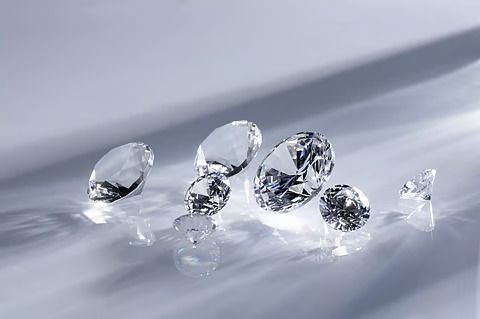
When it comes to luxury gifting, natural diamonds continue to reign supreme. According to recent market data, 11% of consumers prefer natural diamond jewelry, compared to only 8% who choose lab-grown diamond jewelry, 5% who prefer other precious gemstone jewelry, and 4% who prefer gold jewelry. This data underscores a clear trend: natural diamonds remain the top choice for those seeking authenticity, emotional resonance, and lasting value.
Millennials continue to lead the market, representing 32% of natural diamond buyers and accounting for a commanding 55% of total demand value. Gen Z is also emerging as an increasingly important customer group, representing 18% of buyers and contributing 23% of demand value. These younger generations are not just purchasing diamonds, they are redefining what luxury means in the modern era.
At the same time, the landscape for lab-grown diamonds is shifting. While lab-grown diamonds continue to attract attention, demand for larger synthetic stones above 3 carats is slowing. This trend strongly indicates that consumers still place significant value on rarity, authenticity, and long-term significance when purchasing larger diamonds. The message is clear: when it comes to meaningful, enduring luxury, nothing compares to the timeless allure of a natural diamond.
At CaratX, we understand the profound value of natural diamonds. Our marketplace connects discerning buyers with a curated selection of certified natural diamonds, gemstones, and fine jewelry from trusted sellers across 18+ countries. Whether you are searching for the perfect engagement ring, a milestone gift, or an investment-grade stone, CaratX is your trusted partner in the world of luxury diamonds.
The diamond industry in 2026 presents a fascinating dichotomy. On one hand, natural diamonds continue to demonstrate remarkable resilience, particularly in the premium segment. According to the Natural Diamond Council (NDC), specialty jeweler sales of natural diamonds grew by 2.1% in 2025, while the average price of natural diamond jewelry increased by 10% year over year. This reflects sustained consumer demand for rare, precious stones that carry emotional weight and lasting significance.
On the other hand, lab-grown diamonds have carved out a distinct space in the market, though with important caveats. BriteCo’s 2025 data analysis reveals that more than 45% of US consumer engagement ring purchases are for lab-grown diamonds, with two-thirds of Gen Z engagement ring purchasers choosing lab-grown options. However, industry leaders note that both natural and lab-grown markets are stabilizing, with lab-grown prices having largely plateaued after years of steep decline.
The distinction between the two categories is becoming increasingly clear. As noted by industry analysts, lab-grown diamonds have introduced new dynamics into the jewelry market through rapid price declines and expanded accessibility, but the fundamental value proposition of natural diamonds rooted in billions of years of geological history remains unmatched.
For those seeking to shop natural diamonds of exceptional quality, CaratX offers a seamless platform to explore certified stones from a global network of reputable sellers.
Perhaps the most significant shift in the diamond market is the ascendance of Millennials and Gen Z as the primary drivers of demand. Together, these generations now represent the majority of global diamond jewelry demand, and their preferences are reshaping the industry.
Millennials those born between 1981 and 1996 are firmly established as the backbone of the natural diamond market. They represent 32% of natural diamond buyers and account for an impressive 55% of total demand value. This suggests that Millennials are not just buying diamonds; they are investing in higher-value stones, likely for engagement rings, milestone anniversaries, and significant life celebrations.
Gen Z those born after 1997 is rapidly emerging as a force to be reckoned with. They now account for 18% of natural diamond buyers and 23% of demand value. This younger cohort brings a distinct set of values to their purchasing decisions. According to consumer research, Gen Z consumers are increasingly drawn to natural diamonds for their uniqueness, emotional value, and long-term worth.
A survey of consumer preferences found that 75% of consumers believe natural diamonds have better value retention due to their rarity and limited supply, while 73% agree that each natural diamond is truly unique. Furthermore, 72% say wearing natural diamonds brings them joy and allows them to express their personal style.
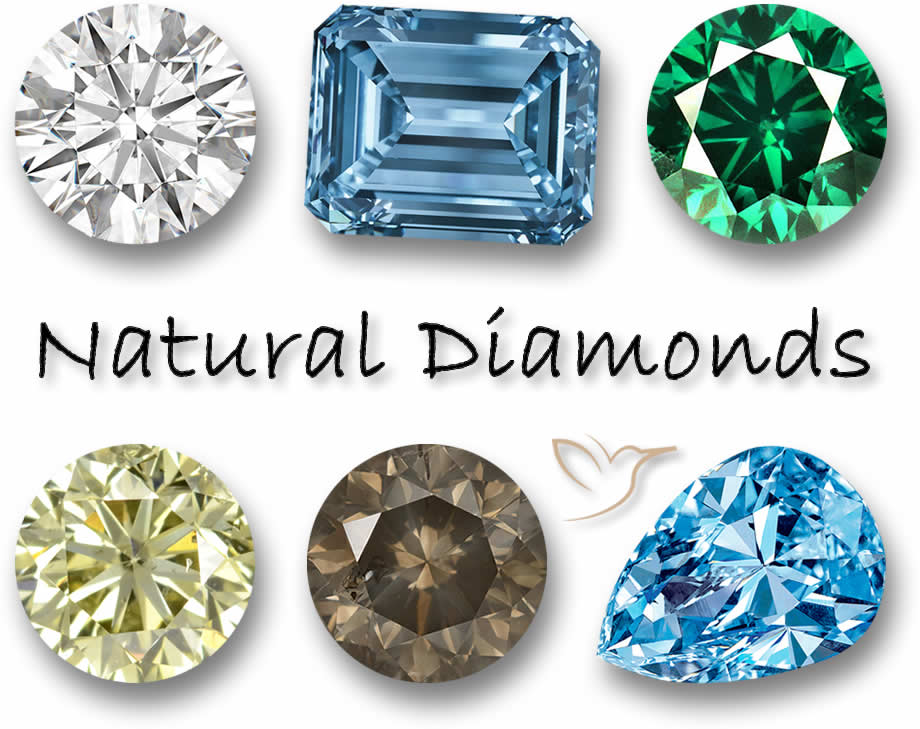
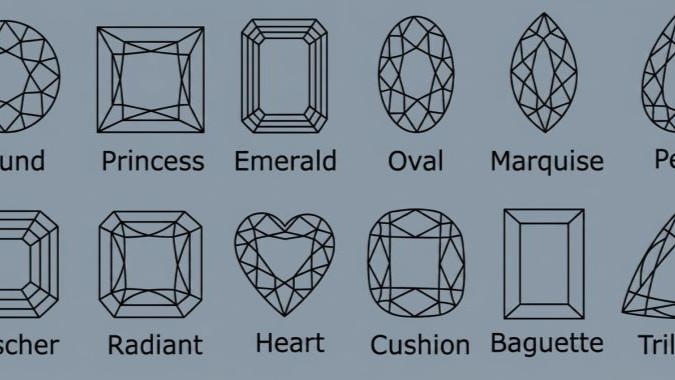
As consumer preferences evolve, natural diamonds remain a strong choice for engagement rings, milestone gifts, and fine jewelry collections. For buyers looking to explore engagement rings that reflect their personal values and aesthetic sensibilities, CaratX offers an extensive collection of certified natural diamonds in a variety of cuts, colors, and settings.
Discover our Definitive Guide to Engagement Ring Trends for 2026 to find the perfect ring that balances meaning, beauty, and lasting value.
One of the most telling indicators of natural diamond demand is the consistent increase in both average spending and average carat weight. Recent industry data shows that consumers are spending more on natural diamonds and choosing larger stones than they did just a few years ago.
Average spending on natural diamonds in the US increased by 25%, reaching approximately $4,063 in 2025.
Average diamond size grew from 1.65 carats in 2023 to 1.86 carats in 2025.
Natural diamond purchase rates remained steady at 9% overall.
Among higher-income households earning $150,000+ annually, natural diamond purchases increased from 12% in 2023 to 15% in 2025.
This trend toward larger, higher-quality stones is particularly evident in the engagement ring segment. According to NDC data, the average cost of an engagement ring rose 9% in 2025 to $7,364. Engagement rings, including loose stones and semi-mounts, accounted for 38% of natural diamond jewelry sales by volume in 2025.
The premium segment’s strength is further underscored by demand for high-clarity stones. Jewelry using VS1 natural diamonds grew by 4% in 2025, building on a remarkable 15% increase the prior year. This suggests that discerning buyers are prioritizing quality over quantity, seeking stones that offer exceptional brilliance, clarity, and long-term value.
For those seeking premium natural diamonds, CaratX provides access to a curated marketplace where buyers can find certified stones in a wide range of carat weights, cuts, and clarity grades.
Whether you are looking for a loose natural diamond for a custom setting or a ready-to-wear piece of fine jewelry, CaratX connects you with trusted sellers from around the world.
For a deeper understanding of diamond quality, explore our Guide to Diamond Clarity and Diamond Carat Size Guide.
While lab-grown diamonds have undoubtedly expanded the consumer base for diamond jewelry, recent data reveals important limitations in their market trajectory. The most notable trend is the sustained decline in lab-grown diamond prices and the slowing demand for larger synthetic stones above 3 carats.
Price Declines Accelerate -
Lab-grown diamond prices have fallen precipitously over the past decade. According to industry analyst Edahn Golan, from January 2015 through January 2025, lab-grown diamond prices dropped by 85%.
In 2025 alone, global lab-grown diamond wholesale prices declined by an average of 26%, with 3-carat round diamonds experiencing a particularly steep drop of 32%. More recent data shows that lab-grown diamond wholesale prices continued to fall in 2025, with prices for one- to three-carat round lab-grown diamonds now 42% lower than in the same quarter of 2024.
The 3-Carat Ceiling -
Demand for larger lab-grown diamonds above 3 carats is slowing. This trend reflects a critical insight into consumer behavior: while lab-grown diamonds offer an affordable entry point into diamond ownership, consumers are less willing to invest in larger synthetic stones. The primary reason appears to be that larger diamonds carry greater emotional and financial significance, and consumers still place strong value on rarity, authenticity, and long-term significance when making such purchases.
Industry analysts note that the average export price of natural diamonds is about $760 per carat, compared to only $60 per carat for polished lab-grown diamonds. This massive price gap underscores the fundamental difference in perceived value between the two categories.
Implications for Consumers -
For consumers considering a lab-grown diamond, it is important to understand that resale value is minimal. As one industry expert noted, lab-grown diamonds have a much lower entry cost, which limits absolute financial loss even if resale value is minimal. For those seeking a stone that will retain value and serve as a meaningful heirloom, natural diamonds remain the superior choice.
At CaratX, we believe in empowering consumers with transparent information to make informed decisions. Our marketplace features certified natural diamonds from trusted sellers, allowing buyers to compare stones, verify certifications, and purchase with confidence.
For a comparison, read our in-depth analysis of Lab-Grown Diamonds in 2025: Market Disruption, Price Trends, and the Future of Engagement Rings.
Beyond market metrics and pricing trends lies the most compelling reason for natural diamonds’ enduring appeal: emotional value. Natural diamonds are not mere commodities; they are carriers of meaning, memory, and legacy.
Billions of Years in the Making -
Most natural diamonds range in age from one to three billion years, with some rare specimens being over 3.5 billion years old making them older than humans and dinosaurs. This profound timescale imbues natural diamonds with a sense of wonder and permanence that no laboratory-grown stone can replicate. Each natural diamond carries within it a unique geological story, formed under extreme pressure and heat deep within the Earth’s mantle.
Rarity and Value Retention -
Natural diamonds are inherently rare and finite. Over the last 35 years, natural diamond prices have been shown to appreciate by approximately 3% annually. This consistent appreciation reflects their scarcity and timeless appeal. In contrast, lab-grown diamonds can be produced indefinitely, making them a fundamentally different asset class.
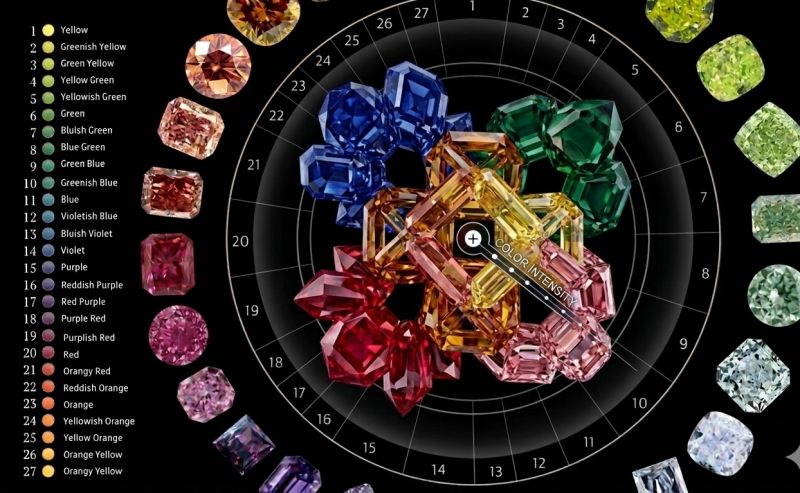
The rarer the natural diamond, the more valuable it becomes. Consider the case of fancy colored diamonds: only 13 Fancy Red diamonds have been included in annual tenders over the last 30 years. Such extreme rarity translates into extraordinary value, with top-tier stones often trading outside conventional pricing models.
Heirloom Status and Intergenerational Significance -
A natural diamond ring passed from a grandmother to a granddaughter carries not just carats but a lineage of memories, personal milestones, and family traditions. This emotional dimension is irreplaceable. Consumers recognize that natural diamonds are not just something you own, they are something you feel.
According to recent surveys, consumers value natural diamonds for their intrinsic, unchanging qualities: 75% believe natural diamonds have better value retention due to rarity and limited supply; 73% agree that each natural diamond is truly unique; and 72% say wearing natural diamonds brings them joy and allows them to express their personal style.
Today’s luxury consumers want authenticity and meaning. As one industry observer noted, natural diamonds, reinterpreted through contemporary design, meet this expectation with ease. Natural diamonds have moved beyond being seen only as symbols of status or occasion-based luxury, they now represent personal achievement, emotion, and identity.
At CaratX, we celebrate the enduring beauty and emotional significance of natural diamonds. Our marketplace connects buyers with certified natural diamonds that are perfect for engagement rings, anniversary gifts, and heirloom-quality jewelry. Explore our collection of natural colored diamonds and loose natural diamonds to find a stone that tells your unique story.
The global diamond market continues to demonstrate resilience and growth. According to Fortune Business Insights, the global diamond market was valued at $102.06 billion in 2025 and is projected to grow to $153.1 billion by 2034, registering a compound annual growth rate (CAGR) of 4.6% during the forecast period.
The engagement ring segment alone is estimated to be valued at $14.8 billion in 2025 and is expected to reach $23.5 billion by 2032, growing at a CAGR of 7.2%. This growth is driven by increasing consumer demand for luxury goods, particularly in emerging markets, alongside a resurgence in the bridal jewelry segment.
Industry leaders project that the natural diamond market could still grow at around 5–10% annually over the next decade, even as lab-grown diamonds gain traction globally. The premium natural diamond segment, in particular, is expected to outperform the broader market as high-net-worth individuals increasingly view exceptional diamonds as portable, durable stores of value.
Stay informed about market developments by following CaratX for insightful and educational content on diamond trends, pricing, and industry news.
For diamond sellers, jewelers, and wholesalers, the current market presents significant opportunities for international expansion. CaratX provides a trusted, secure marketplace for sellers to reach buyers in 18+ international countries.
Why Sell on CaratX?
Global Reach: Access buyers across 18+ countries, including the United States, United Kingdom, Canada, Australia, India, and key markets in Europe and Asia.
Reduced Costs: CaratX connects the diamond, gemstone, jewelry, and pearl industry on a single platform, reducing costs for both buyers and sellers.
Trusted Network: Join a community of reputable sellers who have successfully moved inventory and grown their businesses through CaratX.
Secure Transactions: Our platform prioritizes safety and transparency, ensuring that both buyers and sellers can transact with confidence.
How to Get Started
Sellers can register on CaratX marketplace to start selling B2B and B2C buyers immediately. The registration process is simple and straightforward, allowing you to list your products and begin selling to an international audience.
CaratX offers a dedicated seller plan for jewelry professionals looking to sell internationally. Whether you are a wholesale diamond dealer, a jewelry manufacturer, or a retailer, CaratX provides the tools and support you need to succeed.
For more details about pricing and seller benefits, visit our Pricing Information Page.
Already a buyer? Shop gemstones on CaratX at unbeatable prices and discover a world of natural beauty.
Q1: Are natural diamonds a good investment?
Yes, natural diamonds have historically appreciated in value over time. Over the last 35 years, natural diamond prices have been shown to appreciate by approximately 3% annually. However, not every diamond appreciates quality, rarity, and certification are key factors. Lab-grown diamonds are not investment-grade and have minimal resale value.
Q2: How can I tell the difference between a natural diamond and a lab-grown diamond?
While lab-grown diamonds share the same physical and optical properties as natural diamonds, gemological laboratories like GIA can reliably determine their origin using advanced testing methods such as photoluminescence (PL) spectroscopy. Always purchase certified diamonds from reputable sources.
Q3: What is the average price of a natural diamond engagement ring?
According to Natural Diamond Council data, the average cost of an engagement ring rose 9% in 2025 to $7,364. However, prices vary significantly based on carat weight, cut, color, and clarity.
Q4: How do I register as an international seller on CaratX?
You can register directly on the CaratX website. Visit www.caratx.com/register to create your seller account and start listing products to buyers in 18+ countries.
Q5: Why are lab-grown diamond prices falling so rapidly?
Lab-grown diamond prices have declined due to technological advancements, increased production capacity, and competition among manufacturers. Prices for 1-carat lab-grown diamonds have dropped approximately 85% since 2015, and the trend is expected to continue as production scales up.
Follow CaratX for insightful and educational content on diamonds, gemstones, and the luxury jewelry market.
Start selling diamonds in 18+ international countries: www.caratx.com/register
Sellers register on CaratX marketplace to start selling to B2B and B2C buyers: www.caratx.com/register
Sell jewelry internationally to buyers through our CaratX seller plan: www.caratx.com/register
Shop gemstones from our CaratX marketplace at unbeatable prices: https://caratx.com/search-results/gemstones
Shop natural diamonds from here: https://caratx.com/search-results/Natural
Sellers register to start selling to 18+ buyers now: www.caratx.com/register
More details about our pricing: https://caratx.com/generic-pages/launch-your-products-on-caratx
Image Credit - Diamond World
Aug, 06, 2022
Aug, 06, 2022
0 Comments
Please login to leave a reply.