
The global diamond industry is undergoing one of the most decisive pivots in modern history. While the round brilliant has dominated for decades, 2026 is the year of the elongated fancy shape. From the trading floors of New York and Antwerp to the high‑stakes retail scene in Las Vegas, a clear message is emerging: length is the new luxury.
At CaratX, the exclusive B2B and B2C marketplace connecting 18+ international buyers with premium diamonds, gemstones, and jewelry, we are witnessing this shift in real time. Whether you are a wholesaler looking to liquidate inventory or a retailer hunting for the next hot silhouette, understanding this polarized landscape is no longer optional, it is survival.
The Big Picture:
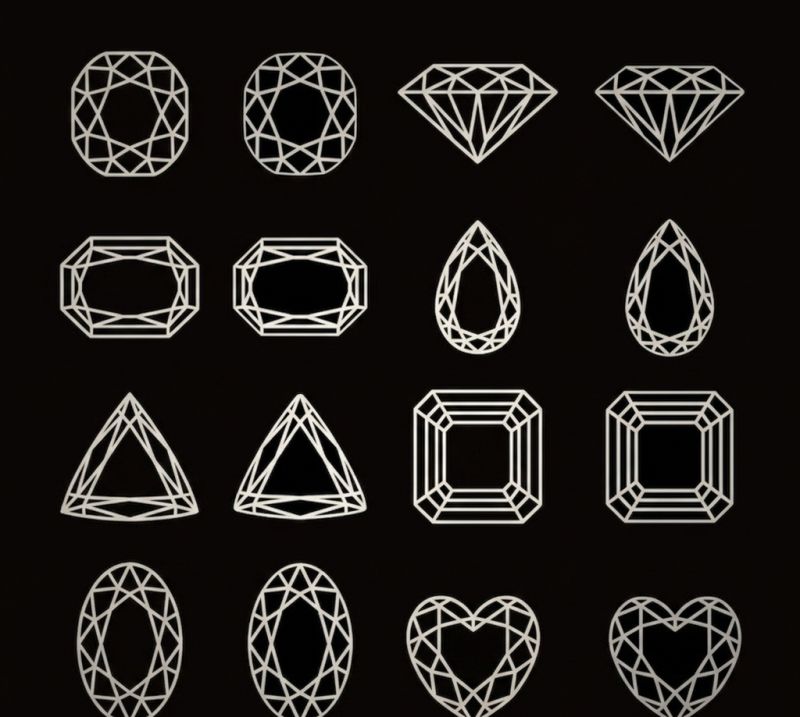
The diamond market in 2026 is defined by bifurcation. According to recent data, long fancy shapes such as Ovals, Marquises and Emeralds are doing better than rounds in the 2 ct. and larger segment, a reversal of decades of round‑centric pricing.
Key macro indicators from Q1 2026 illustrate the divergence:
The Natural Diamond Index fell 3.6% in Q1, but round diamonds declined only 1.3%, showing greater resilience than the broader market.
Fancy shapes overall declined 6.2% in the same period, yet well‑cut elongated fancies in +2 ct. are commanding significant premiums.
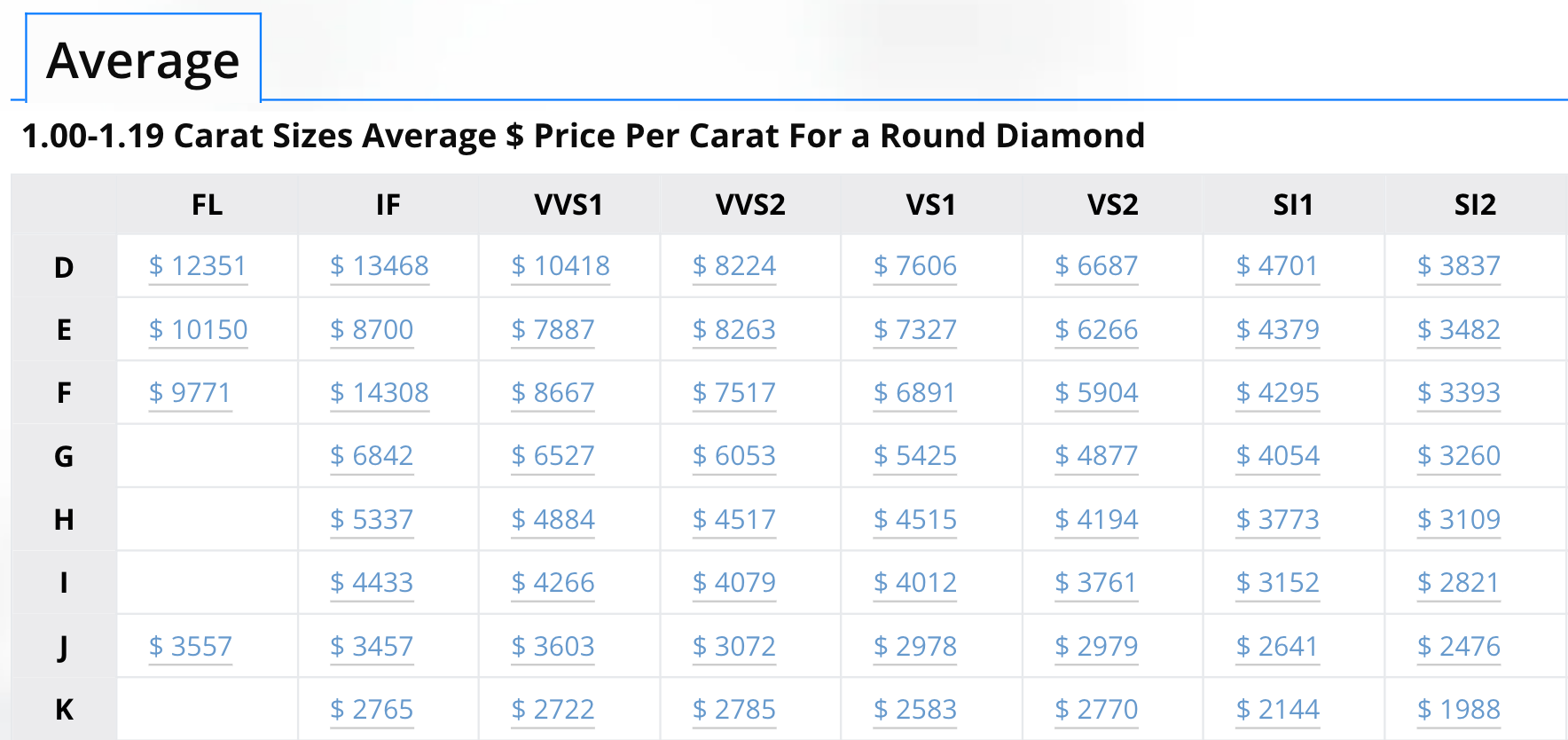
In April 2026, the RAPI™ for 1‑ct. round D‑H, IF‑VS2 goods fell 1.4%, while 0.30‑ct. and 0.50‑ct. rounds rose 2.6% and 1.3%, respectively, driven by production cuts and tightening inventories.
The takeaway: mass‑market goods are under pressure, but high‑end, distinctive fancies are experiencing a bull run.
Shape-by-Shape Analysis: The Winners and the Laggard
Marquise Cut – The Most Expensive Fancy Shape
The marquise cut has made a spectacular comeback. Its boat‑like silhouette, with pointed ends and a curved belly, creates an exceptional finger‑lengthening effect that has captivated royalty and celebrities for centuries.
Market Reality: Due to extremely limited supply especially in larger sizes and high‑quality makes, the marquise cut is now the most expensive fancy shape on the market.
From a cutting perspective, producing a well‑proportioned marquise is notoriously difficult. The rough‑diamond yield is lower than for many other fancies, and achieving perfect symmetry without a distracting bow‑tie effect requires exceptional craftsmanship. Sellers holding 2.00+ ct., D‑F color marquises with excellent symmetry are currently in the driver’s seat for price negotiations.
Explore Marquise Diamonds on CaratX →
Long Cushions – The 20‑25% Premium Revolution
The cushion cut is being reimagined for contemporary tastes. Long cushions (rectangular cushions with elongated proportions) are easy to sell and are trading at a 20% to 25% premium over square ones.
This premium reflects the market’s willingness to pay for the unique blend of vintage romance and modern, finger‑flattering proportions. As noted by industry observers, “rectangular elongated shapes have been one of the most enduring strong trends over a decade”. High‑quality long cushions are in critically short supply, and well‑cut specimens are increasingly difficult to source.
Discover Cushion Cut Diamonds on CaratX →
Oval Cut – Solid US Market for Elongated Shapes
The US market remains exceptionally solid for elongated Ovals of good shape and quality in D‑I, VS‑SI categories. Ovals offer the brilliance of a round diamond but with a modern, slimming silhouette that maximizes finger coverage.
A well‑proportioned 2‑carat oval can have a surface area equivalent to a 2.3‑carat round, delivering exceptional value without compromising on visual impact. Demand is particularly strong for length‑to‑width ratios between 1.35 and 1.50, and for stones that effectively mitigate the bow‑tie effect.
Shop Oval Diamonds on CaratX →
Emerald Cut – Clean Elegance, Tight Supply
The emerald cut, with its clean, sophisticated step‑cut lines and hall‑of‑mirrors effect, continues to attract buyers seeking understated elegance. Finding well‑cut specimens is increasingly difficult, making this shape highly sought after for investment‑grade purchases.
Unlike rounds, emerald cuts hide inclusions well, making VS2‑SI1 the “sweet spot” for value retention. The market is punishing “windows” (lack of light return due to shallow pavilions), so buyers are advised to prioritize excellent symmetry and polish.
Browse Emerald Cut Diamonds on CaratX →
Princess Cut – The Underperformer
Not all shapes are thriving. Princess cuts remain weak, a trend that has persisted for several quarters. Demand and market liquidity are lower compared to other fancy shapes, and dealers report that the square silhouette has largely fallen out of favor with contemporary bridal buyers.
The “Bad Proportions” Death Sentence -
In the current market, fancy shapes with bad proportions are highly illiquid and often languish in inventory. Fancy shape diamonds do not receive a GIA cut grade, but polish and symmetry become critical. Buyers demand premium, well‑proportioned goods, and poorly cut stones are effectively unsaleable at standard market pricing.
Market Drivers: Why Elongated Shapes Command Premiums
The Finger‑Coverage Effect -
Elongated shapes distribute carat weight along a vertical axis, creating the illusion of a larger stone than a round brilliant of the same weight. According to consumer preference research, the “spread” of a diamond, its visual size is often a higher priority for today’s buyers than absolute carat weight.
Scarcity of Well‑Cut Fancies -
Very well‑cut fancy shapes are difficult to find and are commanding premiums. The combination of rising demand and limited supply of high‑quality make stones has created a seller’s market for top‑tier inventory.
Natural vs. Lab‑Grown Polarization -
Lab‑grown diamonds have achieved dominant penetration in the bridal segment, accounting for 61% of US engagements in 2025. However, this has reinforced the value of natural diamonds as a premium, luxury proposition, particularly in meaningful sizes and distinctive cuts.
Global Market Dynamics: Las Vegas, Russia, India & Beyond
Las Vegas Shows Set the Stage -
The industry is preparing for the Las Vegas jewelry shows (JCK and Luxury), which serve as pivotal platforms where new collections launch and major deals close. Large wholesalers are reporting steady demand for 2 ct. and larger rounds and long fancies, with particular interest in antique shapes and warm colors.
The JCK Las Vegas 2026 show (May 29 – June 1 at The Venetian Expo) is expected to attract over 17,000 jewelry professionals, making it the epicenter of global luxury tourism for the week.
Russia Considers Diamond Export Duties -
In a significant geopolitical development, Russia is reportedly considering duties on diamond exports to support domestic manufacturing.
This measure, aimed at preserving Russia’s diamond‑cutting expertise, comes as Alrosa reduced production by 10% to 29.8 million carats in 2025 and forecasts a further decline to 25‑26 million carats in 2026. Combined with the ongoing G7 ban on Russian diamond imports (effective January 2024), these supply‑side constraints are likely to further tighten availability of rough diamonds in international markets.
US Retail Remains Positive -
Despite macroeconomic headwinds, US retail sentiment for diamonds remains positive. Diamond jewelry revenue grew 2.5% in Q1 2026, with growth concentrated in the over‑$2,500 high‑end tier.
Prices are improving for round diamonds in the 0.30 to 0.89 ct. range (D‑H, IF‑VS2 goods), and the 5 ct. and larger collection goods remain robust.
Rough Market Quiet -
The rough diamond market is currently quiet, with dealers expecting low sales and stable prices at the May 25‑29 De Beers sight. De Beers has maintained its traditional 10 rough sales per year, but demand remains muted as manufacturers exercise strict supply discipline.
The Science of Fancy Cuts:
For round brilliant diamonds, the GIA Cut Grading System evaluates seven components (brightness, fire, scintillation, polish, symmetry, weight ratio, durability) to assign a grade from Excellent to Poor.
For fancy shapes, however, there is no single cut grade. As GIA explains, “Fancy cut diamonds such as pear or heart‑shaped diamonds do not have GIA cut grades, because there are wider parameters for their proportions and facet arrangements”.
Instead, buyers must evaluate:
Length‑to‑width ratio (critical for elongated shapes like ovals, marquises, and cushions)
Depth percentage (typically higher for fancy shapes than rounds)
Polish and symmetry (the two graded attributes on GIA reports for fancies)
Bow‑tie effect (common in elongated brilliant cuts, but should be minimal)
For oval diamonds, GIA notes that “fancy shapes do not receive a cut grade but GIA still evaluates and reports on two critical aspects: polish and symmetry”.
Liquidity and Investment Considerations
In the current market, “Excellent Cut” is no longer just a grading factor, it is a liquidity factor. Fancy shapes with excellent cut quality are becoming exceedingly rare, and those that meet the standard are trading at substantial premiums.
Conversely, fancy shapes with bad proportions are virtually unsaleable. As one market observer noted, “a poorly cut fancy is effectively unsaleable at standard market pricing”.
For buyers and investors, the guidance is clear:
Prioritize well‑cut elongated shapes (ovals, marquises, long cushions, emeralds)
Focus on the 2‑carat+ segment, where demand is strongest
Seek D‑I color and VS‑SI clarity (the “sweet spot” for value retention)
Avoid princess cuts and poorly proportioned stones entirely
FAQs
Q: Why are fancy shapes outperforming rounds in 2026? A: Elongated fancy shapes offer superior finger coverage (appearing larger than rounds of the same carat weight) and a unique aesthetic that modern consumers increasingly prefer. Supply constraints for well‑cut specimens have further driven premiums.
Q: Which fancy shape is most expensive right now? A: The marquise cut is currently the most expensive fancy shape, due to extreme difficulty in cutting it well and significant rough‑diamond waste during manufacturing.
Q: How much premium do long cushions command over square cushions? A: Long cushions are trading at a 20% to 25% premium over square cushions, reflecting strong consumer preference for elongated, finger‑flattering silhouettes.
Q: Why don’t fancy shape diamonds have GIA cut grades? A: GIA cut grades apply only to standard round brilliants. For fancy shapes, GIA reports polish and symmetry but not a composite cut grade, due to wider acceptable parameters for proportions and facet arrangements.
Q: Are princess cut diamonds still popular? A: No. Princess cuts remain weak, with demand and liquidity significantly lower than other fancy shapes. Dealers report that the square silhouette has largely fallen out of favor.
Q: How can I sell diamonds internationally? A: CaratX connects sellers with B2B and B2C buyers across 18+ international countries. Register as a seller to access global markets, list your inventory, and reach qualified buyers worldwide.
Start Selling & Sourcing on CaratX Today
Whether you are looking to sell diamonds to international buyers or source premium natural diamonds for your inventory, CaratX is your trusted marketplace.
Start selling to diamonds in 18+ international countries → Register as a Seller
Shop natural diamonds from our curated marketplace → Shop Natural Diamonds
Shop gemstones at unbeatable prices → Shop Gemstones
View our pricing and seller plans → Launch Your Products on CaratX