

The Fancy Diamond Market Report: Why Elongated Shapes Are Dominating 2-Carat+ Sales in 2026
Home
News And Media The Fancy Diamond Market Report: Why Elongated Shapes Are Dominating 2-Carat+ Sales in 2026 SHOP NOWHome
News And Media The Fancy Diamond Market Report: Why Elongated Shapes Are Dominating 2-Carat+ Sales in 2026 SHOP NOWFeb, 20, 2026 by Archit Mohanty 0 Comments
The global diamond industry is currently navigating a complex landscape of regional variances and shifting consumer preferences. According to the latest market data, one trend is crystal clear: fancy-shaped diamonds particularly elongated cuts are outperforming traditional rounds in the larger carat categories.
At CaratX, we are witnessing these trends firsthand on our global B2B and B2C marketplace. Whether you are a seller looking to liquidate inventory or a buyer searching for the perfect center stone, understanding these micro-trends is crucial for capitalizing on the current market.
Here is your guide to the current state of the fancy diamond market, including regional breakdowns and strategic insights for buyers and sellers.
The demand for instant recognition and unique aesthetics is driving a significant shift away from the traditional round brilliant. In the 2-carat and above category, long fancy shapes are commanding attention and, more importantly, premiums.
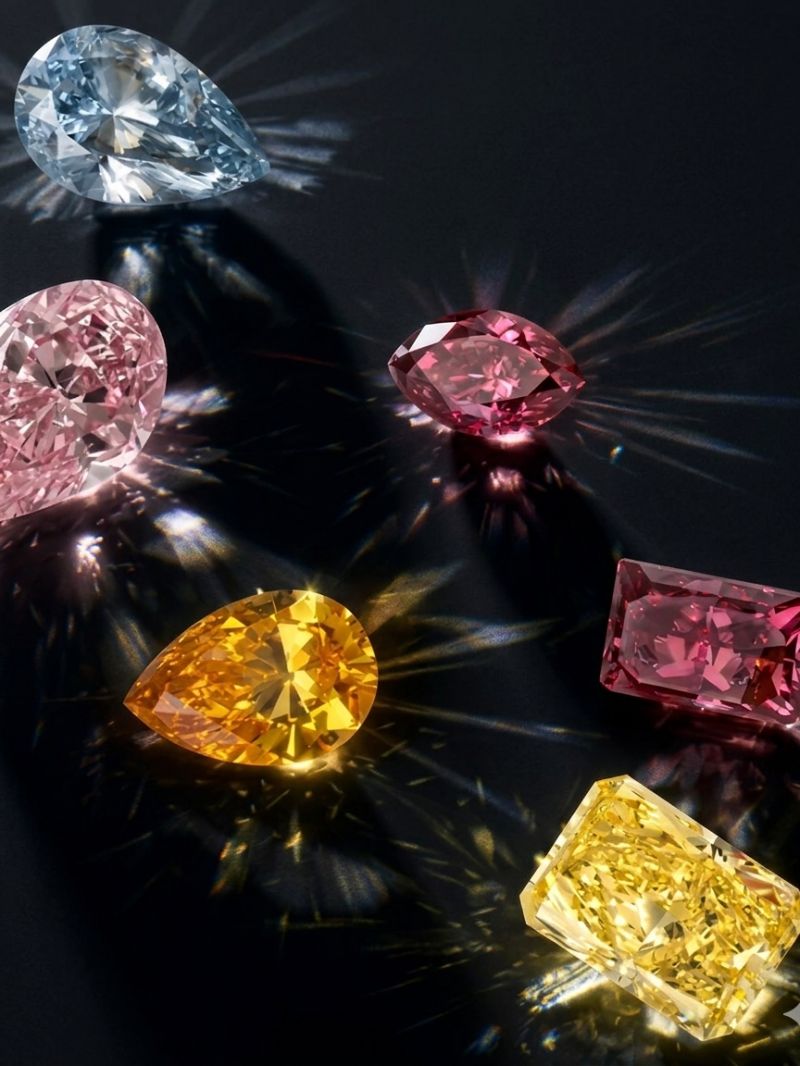
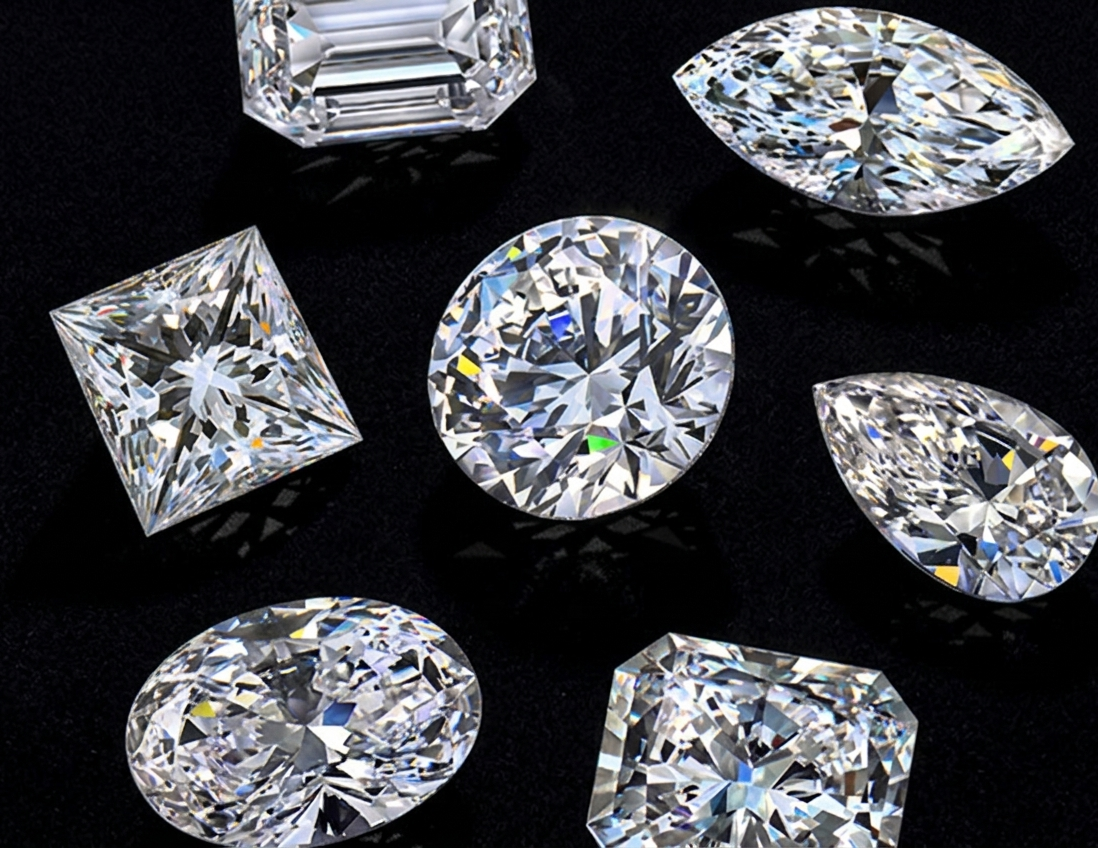
Currently, the Marquise cut diamond is the most expensive fancy shape on the market. This "navette" (little boat) cut is revered for its ability to create the illusion of greater size and its flattering, finger-elongating effect. However, the market data indicates a critical supply issue: high-quality Marquises, long Radiants, and long Cushions are in very short supply.
This scarcity is the primary driver behind the price surge. If you are looking to purchase a Marquise, you may find a curated selection of natural diamonds available on the CaratX marketplace.
While the Marquise is the most expensive, the "Long Cushion" is described as the easiest to sell. These hybrids combine the antique romance of a Cushion cut with a modern, elongated silhouette. The data reveals that long Cushions are currently trading at a 20% to 25% premium over their square counterparts. This stark price difference underscores the market's hunger for elongated proportions.
The Oval cut continues its reign as a celebrity favorite (think Hailey Bieber and Ariana Grande). The report specifies a "solid US market for elongated Ovals of good shape and quality." However, quality is key. The market is saturated with "chubby" or poorly cut Ovals (often displaying a "bow-tie" effect), but well-cut, elongated models in the D-I color and VS-SI clarity range are moving swiftly.
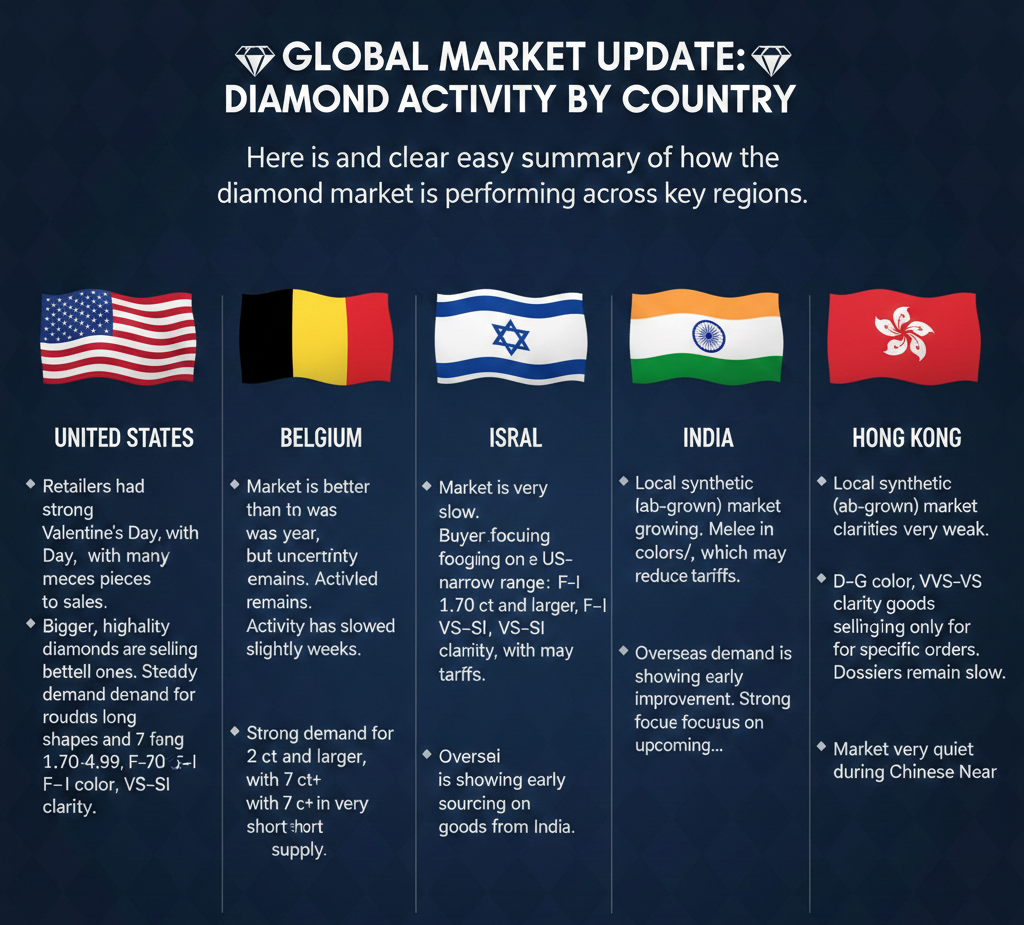
The diamond market is not monolithic. Here is how different trading hubs are reacting to the current inventory levels.
The US market remains the strongest pillar of the global diamond trade.
Valentine’s Day Success: Retailers reported a successful Valentine’s Day season with high memo conversion rates.
Size Matters: The trend is moving upward. There is steady demand for 1.70 to 4.99 carat diamonds.
Specifications: Buyers are seeking F-I color and VS-SI clarity stones. This sweet spot offers the perfect balance of visible quality and value retention.
Antwerp, the diamond capital, reports a market that is healthier than last year, though caution remains.
Liquidity: Activity has dipped slightly from previous weeks, but the demand for larger stones is undeniable.
Shortage: There is a notable shortage of 7-carat and larger diamonds, suggesting that high-net-worth individuals and investors are still parking wealth in these tangible assets.
India’s manufacturing and trading sector is in a holding pattern.
Trade Deals: The industry is eagerly awaiting the finalization of a US-India trade deal which could potentially slash import/export tariffs. According to a report by the Congressional Research Service, the reduction of tariffs on cut and polished diamonds has been a long-standing ask of the Indian gem and jewellery sector.
Synthetics Expansion: The domestic market for lab-grown diamonds (synthetics) is expanding rapidly, putting price pressure on the lower end of the natural melee market.
Price Softening: Prices for 0.30 to 0.79 carat Ovals and Pears are softening globally, except for those "ideal long models" which continue to hold value.
The Hong Kong market was predictably quiet during the Chinese New Year festivities. However, all eyes are on the upcoming Hong Kong Shows. Historically, this event sets the tone for Asian demand for the rest of the year.
One of the most critical takeaways from the data is the warning regarding cut quality. In the current market, "fancies with bad proportions are illiquid."
A diamond is an illiquid asset if you cannot sell it quickly without taking a significant loss. This is increasingly true for poorly cut fancy shapes.
The Princess Cut Problem: Once a staple of bridal jewelry, Princess cuts are currently described as "weak."
The Bow-Tie Effect: Ovals and Pears with poor faceting that creates a dark bow-tie across the center are being rejected by buyers.
The Premium for Precision: Diamonds that are "Very well-cut" are difficult to find and are commanding significant premiums. This makes cut quality not just an aesthetic consideration, but a financial one.
To ensure you are trading liquid assets, it is vital to deal with transparent marketplaces. Sellers register on CaratX to access a global buyer base that recognizes the value of superior cut quality.
Navigating this market requires a strategy tailored to your position.
If you have inventory of Marquises, long Radiants, or long Cushions in the 2-5 carat range, now is the time to bring them to market. The scarcity mentioned in the report means you have pricing power.
List on CaratX: Expand your reach beyond local buyers. By registering as a seller on CaratX, you can sell to B2B and B2C buyers in over 18 countries, including the hot US market.
Target the US: Focus your marketing on US retailers who are reporting successful sales and high memo conversions.
Price Accordingly: If you hold "ideal long" Ovals or Pears in the 0.30 to 0.79 range, do not discount them based on the general softening trend, they are a niche product.
The market is favoring you for certain goods but challenging you for others.
Look for Value in Princess Cuts: With demand weak, Princess cuts may offer the best value proposition if your client prioritizes sparkle over the latest trend.
Act Fast on Long Cushions: If you find a well-cut elongated Cushion, be prepared to move quickly. The 20-25% premium indicates high competition for these stones.
Verify Cut Quality: To avoid illiquid assets, ensure any fancy shape you purchase has ideal proportions. The Gemological Institute of America (GIA) provides extensive resources on how cut grading affects fancy shapes, which can be a valuable educational tool for your clients.
Q: Why are elongated diamonds like Ovals and Marquises more expensive per carat than rounds? A: While rounds are generally the most popular, the premium on specific elongated shapes (like the Marquise) is currently driven by a supply-demand gap. High-quality, well-cut long shapes are scarce, and their ability to make a finger look longer and slimmer is driving high demand, particularly in the US.
Q: What is the "bow-tie" effect in an Oval diamond, and why is it bad? A: The bow-tie effect is a dark area that appears across the center of a fancy-shaped diamond (Oval, Pear, Marquise) due to light leakage or poor faceting. While a slight bow-tie can be normal, a dark or prominent one significantly reduces the diamond's brilliance and beauty. The market data shows that diamonds with such flaws are becoming "illiquid" because they are hard to resell.
Q: Is it a good time to invest in a Princess cut diamond? A: From an investment/liquidity standpoint, the data suggests the Princess cut is currently "weak." If you are buying for personal taste and find a Princess cut you love, you may get a better price than usual. However, if you are looking for an asset that holds value well on the secondary market, elongated shapes are currently the stronger bet.
Q: How can I sell my diamonds internationally? A: You can leverage online B2B platforms. CaratX allows sellers to register and list their inventory to a vetted audience of buyers across 18+ countries, helping you find the best price for your goods without geographical limitations.
Q: What are the benefits of selling jewelry on the CaratX marketplace? A: By utilizing the CaratX seller plan, you gain access to international B2B and B2C buyers, transparent pricing, and a platform designed to streamline the complex logistics of cross-border diamond trading.
Shop Natural Diamonds: Browse our extensive collection of rounds and fancies, from melee to investment-grade stones at https://caratx.com/search-results/Natural
Shop Gemstones: Looking for color? Find unbeatable prices on our gemstone inventory at https://caratx.com/search-results/gemstones
Sell With Us: Expand your business. Register to sell to buyers in 18+ countries today: CaratX Seller Registration
Pricing & Plans: Want to know more about our fees and services? Check our detailed pricing page: CaratX Pricing
Follow CaratX for more insightful and educational content.
May, 26, 2026
Aug, 06, 2022
Aug, 06, 2022

0 Comments
Please login to leave a reply.