
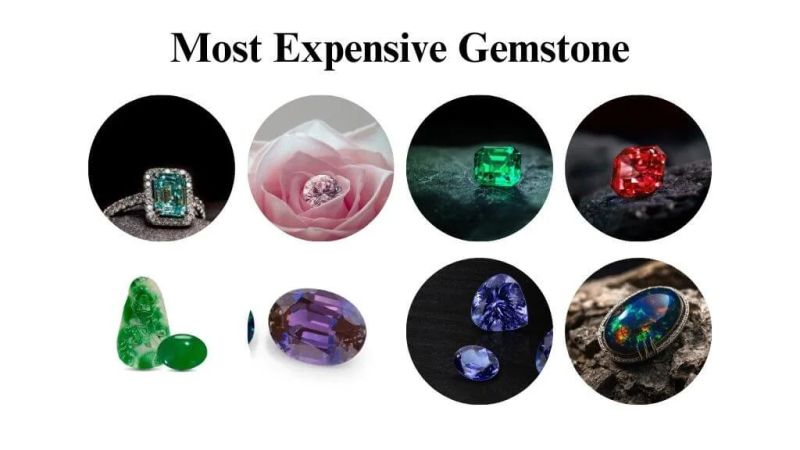
For centuries, gemstones have captivated humanity, not merely as adornments but as vessels of history, symbols of power, and marvels of nature. While the Four Cs (Cut, Clarity, Carat, and Color) universally influence gem value, color is frequently the paramount factor, dictating rarity, desire, and ultimately, price.
This definitive guide explores the most famous and expensive gemstones, ranked by their legendary colors, and delves into the geology and market forces that make them treasures of the earth.
The Chromatic Hierarchy of Value:
In gemology, color is assessed by three components: Hue (the basic color), Tone (lightness or darkness), and Saturation (color intensity or purity). The most prized gems possess a pure, vivid hue with medium to medium-dark tone and strong, vibrant saturation.
Rarity of a specific color in a gem species can catapult its value beyond that of a diamond. Let's explore the champions of the color spectrum.
Red: The Ruby
Ruby, the red variety of the mineral corundum, sits at the pinnacle of colored gems. Its name derives from the Latin 'ruber', meaning red. The finest rubies exhibit a pure, vibrant red to slightly purplish red with a fluorescence that makes the gem appear to glow from within.
The Pinnacle of Color: The most coveted shade is termed "Pigeon's Blood" a deep, pure red with a slight blue undertone, historically associated with rubies from Myanmar's (Burma) Mogok Valley. This specific saturation and tone command astronomical prices.
Rarity & Source: True top-quality rubies over one carat are exceptionally rare. Significant sources include Myanmar, Mozambique, Thailand, and Sri Lanka. Treatments, especially heat treatment to improve color and clarity, are common, but unheated stones with exceptional color fetch record-breaking sums.
Market Value: A fine-quality, unheated Burmese "Pigeon's Blood" ruby can easily exceed $100,000 per carat at auction, with record-setting stones reaching over $1 million per carat. For connoisseurs seeking this ultimate red gem, exploring a curated collection of natural rubies is essential.
Blue: The Blue Diamond
While sapphires offer magnificent blue, the Blue Diamond stands in a league of its own for sheer auction history and mystique. Its blue color originates from trace amounts of boron within the carbon crystal structure.
The Pinnacle of Color: The most valuable are vivid blue or deep blue stones. The famous Hope Diamond (45.52 carats) is a historic example, though its color is a deep grayish blue.
Rarity & Source: Naturally colored blue diamonds are among the rarest gemstones on earth. The now-closed Argyle mine in Australia was a notable source for fancy colored diamonds, but the most famous blues historically come from India's Golconda region and modern mines like the Cullinan Mine in South Africa.
Market Value: They hold the record for the highest price per carat ever paid for any gem. The Oppenheimer Blue (14.62 carats) sold for $57.5 million in 2016 (~$3.93 million/ct), and the Blue Moon of Josephine (12.03 carats) sold for $48.4 million in 2015 (~$4.02 million/ct). Acquiring a blue diamond is a landmark event; platforms specializing in rare natural diamonds provide access to such extraordinary stones.
Green: The Emerald
Emerald, the green variety of beryl, is prized for its lush, captivating color that ranges from bluish-green to pure green. Unlike other gems, emeralds are almost always included with visible imperfections known as "jardin" (French for garden), which are accepted as part of their character.
The Pinnacle of Color: The finest emeralds boast a highly saturated, slightly bluish-green hue with even color distribution. Colombian emeralds, particularly from the Muzo, Chivor, and Coscuez mines, are renowned for producing this ideal color.
Rarity & Source: High-clarity emeralds with top color are extremely rare. Colombia remains the benchmark, but Zambia, Brazil, and Afghanistan also produce significant quantities. Treatment with oils or resins to fill surface-reaching fractures is standard practice.
Market Value: Top-tier Colombian emeralds with minor treatment can command $50,000 to $100,000 per carat or more. The 18.04-carat Rockefeller Emerald sold for $5.5 million in 2017. For those drawn to this verdant treasure, sourcing from a reputable marketplace specializing in fine gemstones is crucial.
Purple & Color-Change: Alexandrite
Alexandrite is a variety of the mineral chrysoberyl and is the poster child for the phenomenon of pleochroism dramatic color change under different light sources. It appears emerald green to bluish-green in daylight and changes to a purplish-red to raspberry red under incandescent light.
The Pinnacle of Color: The most valuable stones exhibit a strong, distinct color change from a vivid green to a vibrant purple/red, with high saturation in both lights. The closer the colors are to pure green and pure red, the higher the value.
Rarity & Source: This is one of the rarest gemstones. The original source was Russia's Ural Mountains (discovered in 1830), but today, most material comes from Brazil, Sri Lanka, and parts of Africa. Natural stones over one carat with a strong color change are exceptionally scarce.
Market Value: Fine-quality natural alexandrite can range from $15,000 to $70,000 per carat, with exceptional stones far exceeding that. It remains a crown jewel for collectors of the rare and unusual.
Orange-Pink: Padparadscha Sapphire
Padparadscha is a rare and delicate variety of corundum (sapphire) whose name derives from the Sinhalese word for "lotus blossom." Its color is a unique, subtle blend of pink and orange, reminiscent of a tropical sunset.
The Pinnacle of Color: Defining the exact color is a subject of debate, but the most valued stones display a balanced, low-to-medium tone blend of pink and orange without any brown or gray modifiers. The color should be pastel yet distinct.
Rarity & Source: Natural, unheated Padparadscha sapphires are exceedingly rare. The classic source is Sri Lanka, but stones are also found in Madagascar and Tanzania. Heat treatment is often used to induce this color in less desirable corundum, making natural, untreated specimens vastly more valuable.
Market Value: Prices for genuine, natural Padparadscha sapphires start around $10,000 per carat and can rise dramatically for stones over two carats with ideal color. They represent one of the most sophisticated choices in the colored gemstone world.
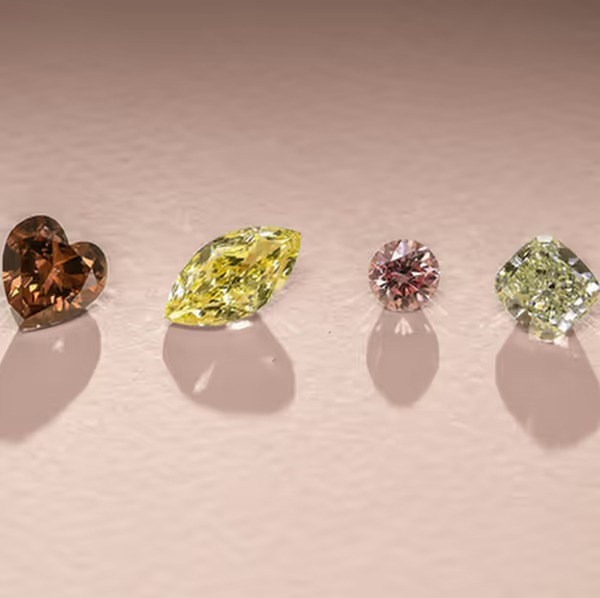
Yellow: The Fancy Vivid Yellow Diamond
Yellow Diamonds, often called "canary" diamonds, are the most common and accessible of the fancy color diamonds, but at their highest saturation, they are breathtakingly valuable. Their color comes from nitrogen atoms within the carbon lattice.
The Pinnacle of Color: The GIA grades fancy color diamonds on a scale from Fancy Light, Fancy, Fancy Intense, to Fancy Vivid. It is the Fancy Vivid Yellow stones that command the highest premiums, exhibiting a radiant, bold yellow hue.
Rarity & Source: While more common than blues or pinks, vivid yellow diamonds in large sizes are still rare. The Argyle mine was a key source, but yellow diamonds are found in many major diamond-producing regions.
Market Value: A 1-carat Fancy Vivid Yellow diamond can range from $6,000 to $20,000+ per carat, with larger stones experiencing exponential price increases. They offer a brilliant entry point into the world of colored diamonds.
Black with Fire: The Black Opal
Black Opal is the most valuable variety of opal. Contrary to its name, the body tone is dark (black, dark blue, or dark gray), which provides a stark contrast for the play-of-color the flashing rainbow patterns caused by the diffraction of light through silica spheres.
The Pinnacle of Color: Value is determined by the darkness of the body tone, the brightness of the play-of-color, the pattern (harlequin, pinfire, etc.), and the range of colors displayed. Red flashes on a black base are the most prized.
Rarity & Source: The vast majority of the world's precious black opal comes from Lightning Ridge, Australia. This small mining area produces stones that are the benchmark for quality.
Market Value: Top-quality black opals can sell for over $10,000 per carat. The "Virgin Rainbow," a legendary black opal, is valued in the millions. Their uniqueness makes each stone a one-of-a-kind piece of natural art.
Colorless: The Diamond
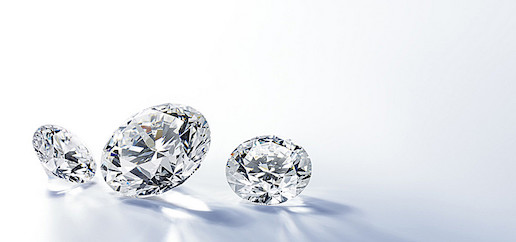
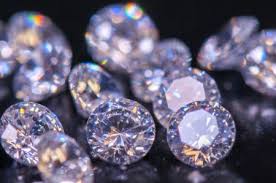
While this list celebrates color, the Colorless Diamond remains the cultural and commercial benchmark for gemstones. The complete absence of hue, combined with exceptional clarity, cut, and carat weight, represents purity and brilliance.
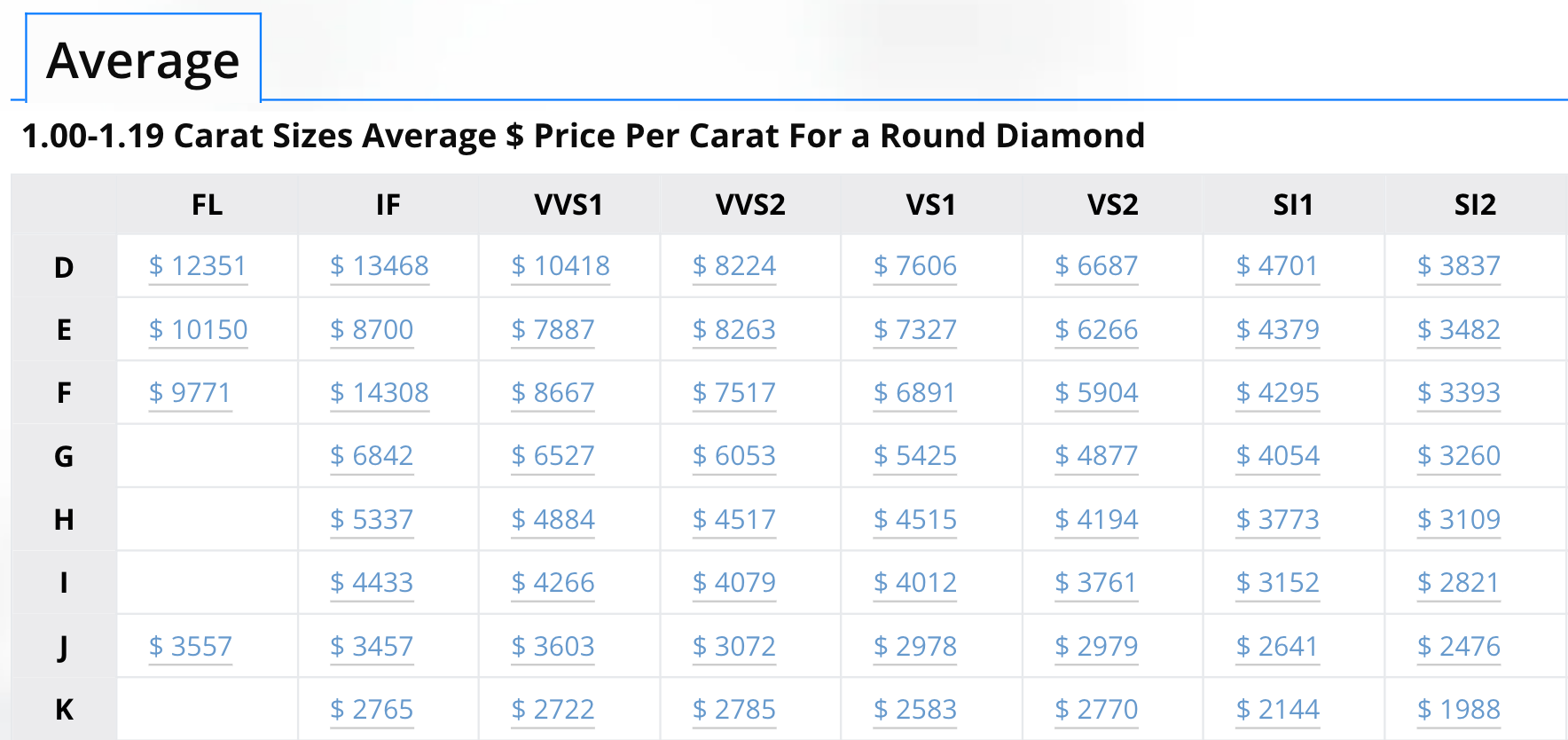
The Pinnacle of Color: The Gemological Institute of America (GIA) grades color on a scale from D (colorless) to Z (light yellow/brown). D-Floose diamonds are considered colorless and command the highest prices.
Rarity & Source: Truly flawless, large D-color diamonds are rare. Major sources include Botswana, Russia, Canada, and Australia.
Market Value: Prices are highly structured but premium. A 1-carat D-color, Internally Flawless (IF) excellent cut diamond can exceed $20,000. It remains the cornerstone of the global gem market and a primary category for major gemstone and diamond marketplaces.
Beyond Beauty:
Provenance & Origin: A Burmese ruby, a Colombian emerald, or a Kashmir sapphire carries a historical premium.
Treatment: Untreated or minimally treated stones (e.g., unheated rubies, oil-only emeralds) are vastly more valuable than their treated counterparts.
Carat Weight: Price per carat increases exponentially with size, especially for rare colors in clean stones.
Market Demand: Cultural trends and celebrity influence can affect demand for certain gems.
Frequently Asked Questions (FAQs)
Q: What is the single most expensive gemstone in the world? A: By price-per-carat, certain fancy color diamonds like Red Diamonds or Blue Diamonds hold the record. The 0.71-ct Hancock Red sold for nearly $1 million per carat in 1987. The Blue Moon Diamond achieved over $4 million per carat.
Q: Are colored diamonds rarer than colored gemstones like ruby or emerald? A: It depends on the color. Fine blue, pink, and red diamonds are rarer than top-quality rubies or emeralds. However, a top "pigeon's blood" ruby or "jardin-free" emerald is still among the rarest objects on Earth.
Q: How can I ensure I'm buying a genuine, natural gemstone? A: Always insist on a recent, independent laboratory report from a major gemological institute like GIA, AGL, or GRS, especially for high-value purchases. Reputable dealers on established platforms will provide these as standard.
Q: What does "treated" mean, and how does it affect value? A: Most gemstones are treated (e.g., heated, oiled) to improve appearance. This is a standard industry practice but must be disclosed. Untreated stones with fine quality are significantly more valuable and rare.
Q: Where can I view and purchase gemstones of this caliber? A: Auction houses (Sotheby's, Christie's), elite gem shows, and trusted online marketplaces with rigorous vetting, like CaratX, which connects buyers with a global network of certified sellers, are primary channels.
Image Credit - Shraddha Shree Gems