
The Ultimate Guide to Yellow Diamonds: Types, Value & Market Insights
Home
News And Media The Ultimate Guide to Yellow Diamonds: Types, Value & Market Insights SHOP NOWHome
News And Media The Ultimate Guide to Yellow Diamonds: Types, Value & Market Insights SHOP NOWJan, 05, 2026 by Archit Mohanty 0 Comments
Yellow diamonds are among the most captivating and sought-after gems in the world of fine jewelry. While many recognize their sunny brilliance, few understand the vast differences that determine their rarity, beauty, and price. From faintly tinted stones to vivid canary treasures, not all yellow diamonds are created equal.
This comprehensive guide dives deep into the science, grading, and market dynamics of yellow diamonds, providing the knowledge you need to appreciate or invest in these radiant gems.
The mesmerizing yellow color in natural diamonds is caused by the presence of nitrogen atoms within the diamond's crystal lattice. As one of the most common impurities in diamonds, nitrogen absorbs blue light, allowing yellow to dominate the reflected spectrum.
The intensity of the color depends on two key factors:
The concentration of nitrogen atoms – More nitrogen generally leads to stronger color.
The arrangement of nitrogen atoms – Isolated nitrogen atoms (Type Ib diamonds) produce a more intense and pure yellow, while aggregated nitrogen (Type IaA/B) often results in a paler, more common tint.
This scientific foundation is crucial for understanding the dramatic value differences between yellow diamonds. For authoritative information on diamond geology, the Gemological Institute of America (GIA).
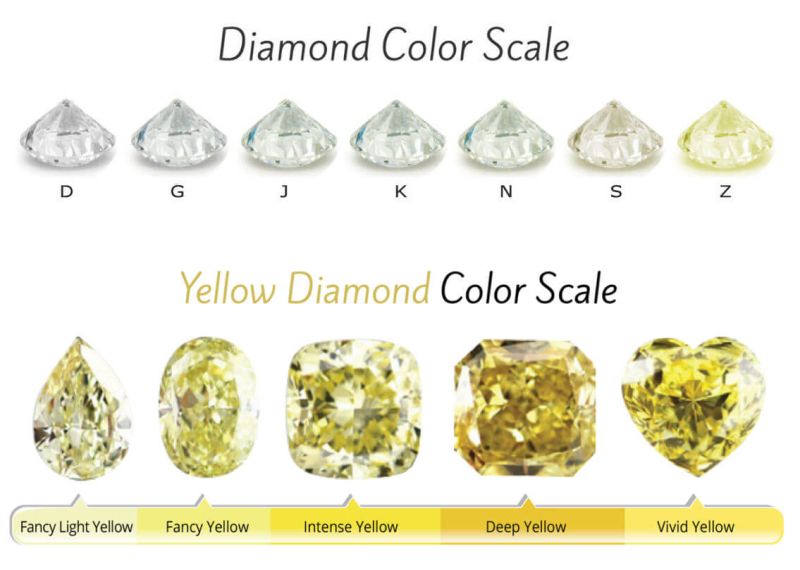
These diamonds exist on the standard color grading scale for white (colorless) diamonds, which runs from D (completely colorless) to Z (light yellow or brown).
Color Grades: K, L, M, and onward through Z. The yellow becomes more noticeable as you move down the alphabet.
Appearance: The tint is often described as a "warmth" or a slight yellow hue rather than a bold, fancy color. To the untrained eye, many near-colorless stones (G-J) may appear perfectly white, while the yellow becomes evident in grades K and below.
Origin & Rarity: Nitrogen is common, so these tints are found in diamonds from many major producing regions like Russia, Botswana, Canada, and Australia.
Market Position: They are not considered fancy color diamonds. Their value is generally discounted compared to colorless diamonds within the same clarity, cut, and carat weight. As the yellow tint increases (moving toward Z), the value typically decreases. These diamonds are purchased primarily for affordability, offering a larger stone for the budget compared to a higher-color-grade diamond.
If you're looking for a traditional white diamond with a warm tone to maximize carat size for your budget, explore our curated selection of K-Z Color Diamonds at CaratX. However, for a true, vibrant yellow, you need to enter the fancy color realm.
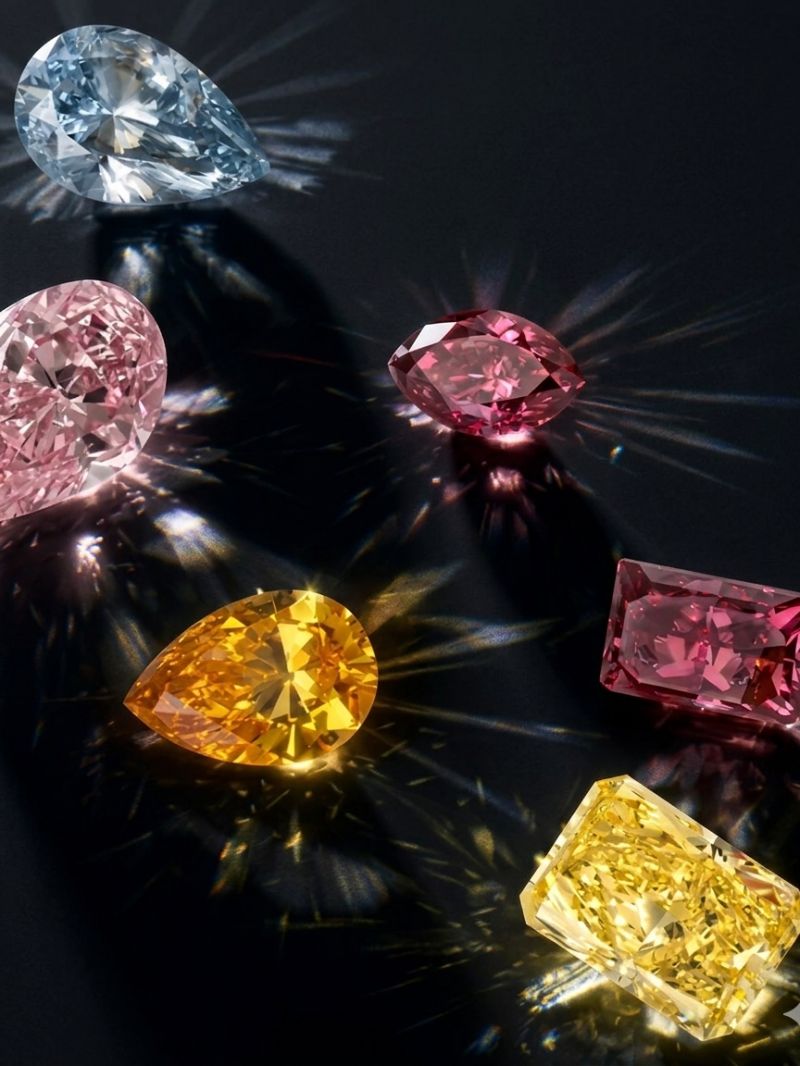
Once a diamond's color saturation surpasses the "Z" grade on the D-Z scale, it enters the prestigious and specialized Fancy Color Diamond grading system. This is where yellow diamonds transform from a common tint into a rare and valued color category.
The Grading Hierarchy: The GIA grades fancy yellow diamonds based on hue, tone, and saturation. The primary grades, from least to most saturated, are:
Market Value & Desirability: Unlike tinted whites, the value of fancy yellows increases exponentially with color intensity. While Fancy Light and Fancy Yellow are beautiful and more accessible, Fancy Intense and Fancy Vivid Yellow command significant premiums.
They are highly coveted for statement jewelry, celebrity red carpets, and as a tangible alternative asset.
Explore the Spectrum: Discover the stunning range of certified fancy yellow diamonds available for investment and jewelry on our Natural Fancy Color Diamonds page at CaratX.
Beyond the basic color grade, several critical factors influence the final price tag of a fancy yellow diamond:
Color Intensity: The single most important factor. Vivid beats Intense, which beats Fancy.
Purity of Hue: A pure "yellow" is typically more valuable than a "greenish yellow" or "brownish yellow," though fashion trends can shift this.
Carat Weight: As with all diamonds, size matters. Larger fancy yellow diamonds are exponentially rarer. Find exceptional stones in our 5 Carat+ Diamond Collection.
Clarity: Inclusions are often more tolerated in fancy color diamonds than in white ones, as the color can mask them. However, eye-clean stones still command a premium.
Cut & Shape: The cut must be optimized to enhance color saturation. Cushion, radiant, and oval cuts are popular as they retain more color weight. Our Design Your Own Jewelry service can help you choose the perfect setting to showcase your diamond's cut.
Certification: A report from a reputable lab like GIA or AGS is non-negotiable for establishing value and authenticity. All diamonds on CaratX come with proper certification.
Natural vs. Treated: Naturally colored yellow diamonds are far more valuable than those treated by irradiation or HPHT to induce color. Always verify the origin of color on the lab report.
The market for high-quality fancy intense and vivid yellow diamonds has shown remarkable resilience and growth. They are viewed as a "passion investment," combining emotional appeal with tangible value. Major auction houses like Sotheby's and Christie's regularly achieve record prices for exceptional specimens, drawing interest from global collectors.
For businesses looking to source or sell these gems, a reliable B2B platform is essential. Sellers can register on the CaratX marketplace to access a global network of over 18 international countries, connecting with both B2B and B2C buyers seeking quality colored diamonds.
Q: Are yellow diamonds more expensive than white diamonds? A: It depends. Yellow-tinted white diamonds (K-Z) are less expensive than comparable colorless diamonds. However, true Fancy Intense and Fancy Vivid Yellow diamonds can be significantly more expensive per carat than many high-color white diamonds due to their rarity.
Q: What is the most valuable shade of yellow diamond? A: "Fancy Vivid Yellow" is the top color grade and commands the highest prices. A pure, saturated canary yellow with no modifying hues is the most desirable.
Q: Can I get a yellow diamond for an engagement ring? A: Absolutely! Yellow diamonds are a stunning and increasingly popular choice for non-traditional engagement rings, symbolizing happiness, optimism, and warmth.
Q: How can I be sure my yellow diamond is natural? A: Always insist on an independent grading report from GIA, AGS, or another major lab. The report will explicitly state "natural color" or note any treatments. Shop with confidence from verified sellers on platforms like CaratX's Natural Diamond collection.
Q: Do yellow diamonds hold their value? A: High-quality, certified natural fancy yellow diamonds, particularly in intense and vivid grades, have a strong history of retaining and appreciating in value, making them a solid store of wealth alongside their beauty.
Gemological Institute of America (GIA). Diamond Color. https://www.gia.edu/diamond-color
Gemological Institute of America (GIA). How Diamonds Get Their Color. https://www.gia.edu/diamond-color-cause
International Gem Society (IGS). Fancy Color Diamond Prices. https://www.gemsociety.org/article/fancy-color-diamond-prices/
Ready to Explore the World of Yellow Diamonds? Whether you're a buyer seeking a unique gem or a seller aiming to reach a global audience, CaratX is your premier marketplace.
Shop Natural Yellow Diamonds: Browse our extensive collection of certified stones.
Sell to a Global Market: Register as a seller on CaratX to start selling diamonds and jewelry internationally.
Create Bespoke Jewelry: Use our designer service to set your diamond in a custom piece.
Launch your products on CaratX today and connect with buyers worldwide.
Learn more about our seller plans and pricing.
Image Credit - Colored Diamonds
May, 26, 2026
Aug, 06, 2022
Aug, 06, 2022
0 Comments
Please login to leave a reply.