

Fancy Sapphires: The Colorful Side of the Sapphire World
Home
News And Media Fancy Sapphires: The Colorful Side of the Sapphire World SHOP NOWHome
News And Media Fancy Sapphires: The Colorful Side of the Sapphire World SHOP NOWMay, 26, 2026 by Archit Mohanty 0 Comments
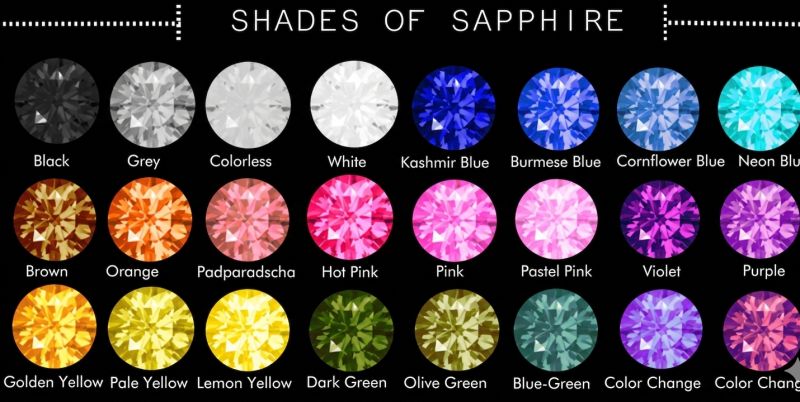
For centuries, the name “sapphire” has evoked a singular vision: the deep, celestial blue of a royal gemstone. This perception, while historically accurate, only scratches the surface of one of the most versatile mineral families on Earth.
While the global market is still dominated by classic blue stones, the fancy sapphire, the term for any corundum gemstone that is not red (ruby) or blue is currently leading a quiet, vibrant revolution in the luxury jewelry sector.
From the sunlit glow of a yellow sapphire to the delicate, peach-blossom hues of the rarest padparadscha, fancy sapphires offer a natural color palette that rivals even the most sophisticated designer collections. For modern collectors, jewelers, and engagement ring shoppers, these gems provide the perfect intersection of extreme durability, natural rarity, and unapologetic personality.
To understand the color, you must first understand the science. Sapphire is a variety of the mineral corundum, which in its pure state is composed of crystallized aluminum oxide (Al₂O₃) and is actually colorless. This base mineral is the second hardest natural substance known to science, scoring a 9 on the Mohs scale just one point below diamond.
When trace elements seep into the corundum crystal lattice during its formation in the earth, they alter its optical properties and produce color. GIA field gemologists note that these “fancy” hues occur when specific elements interact at the atomic level. For instance:
Iron (Fe) and Titanium (Ti) produce the classic blue.
Chromium (Cr) creates pink and red (ruby).
Iron (Fe) alone produces yellow and green.
Vanadium creates violet and purple hues.
While the market treats fancy sapphires as a singular category, the visual differences between them are astronomical. Each color category commands a different price and emotional response.
Color Cause: Trace amounts of Iron (Fe³⁺).
Market Note: Extremely popular as a September birthstone alternative. They offer a brilliant, sunny disposition at a generally more accessible price point than their blue counterparts. The American Gem Trade Association (AGTA) recognizes these vibrant hues as a top seller in the color gemstone market.
Sourcing: Major deposits are found in Sri Lanka and Australia.
Color Cause: Chromium (Cr³⁺). The higher the chromium concentration, the stronger the pink.
Rarity: After blue, pink is the most commercially popular fancy color, yet fine-quality, unheated pink sapphires are becoming increasingly scarce in the market.
Geology: Major sources include Madagascar, Sri Lanka, and Myanmar.
Rarity Factor: A true, vivid orange without brown undertones is remarkably rare. These stones often bridge the gap between yellow and pink hues in the spectrum.
Investment Quality: Due to their scarcity, premium orange sapphires often command higher per-carat prices than many other fancy colors.
Composition: Typically colored by iron (Fe²⁺/Fe³⁺) charge transfer.
Aesthetic: Often described as “mint” or “forest,” offering a sophisticated, earthy alternative to emeralds with superior durability.
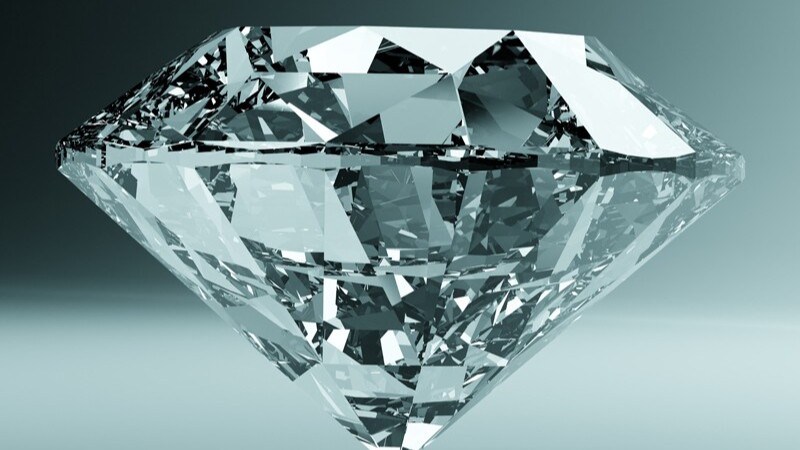
The Purist: A completely pure corundum crystal.
Use Case: Historically used as a diamond simulant, white sapphire has seen a resurgence as an accent stone in high jewelry, prized for its brilliant luster and durability. Unlike cubic zirconia, it offers a natural, “ice-like” transparency.
No discussion on fancy sapphires is complete without dedicating space to the Padparadscha. This is the holy grail of the corundum family, a mythical blend of pink and orange that mirrors the colors of a tropical sunset or a lotus blossom (from the Sinhalese word padma radschen).
Extreme Rarity: Fine-quality natural Padparadscha is among the rarest gems on earth, even harder to source than a blue sapphire of the same carat weight. Larger stones (over 2 carats) are rarely seen on the open market.
Price Point: At the top end of the market, Padparadscha sapphires can command prices exceeding $50,000 per carat.
Source: While historically from Sri Lanka (Ceylon), recent discoveries in Eastern Africa have produced material, though Sri Lankan stones remain the gold standard for the “perfect” hue.
For decades, the colored gemstone market was static; blue was king, and everything else was a footnote. That paradigm has shifted dramatically.
Demand Outstripping Supply: In major trade events like the Tucson Gem Shows, demand for fine-quality colored stones frequently exceeds supply, pushing prices upward.
The “Blue Diamond” Effect: As lab-grown diamonds have flooded the white diamond market, causing price erosion, collectors have pivoted to natural colored gemstones as inflation-resistant assets.
Industry Shift: A 2026 report notes that designers are moving away from rigid formulas, placing sapphires in contemporary stud earrings and using mixed stones to tell individual stories.
One of the greatest selling points of fancy sapphires is their resilience. Many non-diamond alternatives (like emeralds or opals) are soft or fragile, making them risky for everyday wear. However, because fancy sapphires are pure corundum, they inherit the same toughness as their blue siblings.
With a rating of 9 on the Mohs hardness scale, a yellow or pink sapphire is harder than steel and resistant to scratching. This makes them an ideal choice for:
Engagement rings: Surviving the bumps and knocks of daily life.
Signet rings: Maintaining polish despite constant friction.
Eternity bands: Resisting abrasion against adjacent rings.
The International Gem Society (IGS) notes that because sapphire has no cleavage planes (weaknesses in the crystal structure), it is far less likely to chip on impact compared to stones like diamond or topaz.
The rise of the fancy sapphire is intrinsically linked to the evolution of the engagement ring. According to recent data, more than 15% of engagement rings now feature a colored center stone, up from just 5% a decade ago.
Celebrities and royalty have accelerated this shift. While Kate Middleton’s blue sapphire is iconic, modern celebrities are choosing asymmetric pink sapphire rings and yellow sapphire halos to stand out.
CaratX offers a direct conduit to this evolving market. Whether you are sourcing for a high jewelry collection or a customized luxury gift, the variety available on our platform allows you to bypass mass-market designs entirely.
Unlike diamonds, colored stones are not graded by the “4 Cs” of colorlessness. Instead, the value of a fancy sapphire is driven by Color first.
According to GIA, the three components of color are Hue, Tone, and Saturation.
Hue: The basic color (e.g., pink, yellow).
Tone: How light or dark the color is.
Saturation: The intensity of the color.
Preferred sapphires have strong to vivid color saturation, regardless of hue. Avoid stones that look “steely” (grey) or excessively dark.
Treatments: Most sapphires are heat-treated to improve color. While standard heat treatment is widely accepted, “unheated” natural stones carry a significant price premium.
Clarity: Fancy sapphires are Type II gemstones, meaning they usually contain some inclusions. Eye-clean material is the goal, but you do not need flawless (loupe-clean) clarity to have a valuable stone.
The world of color is vast, and finding the right stone requires a partner you can trust. Whether you are a jewelry brand looking to buy in bulk or a couple searching for the perfect alternative engagement ring, CaratX provides the marketplace for you.
Explore the CaratX Gemstone Marketplace: Discover our collection of loose natural fancy sapphires at unbeatable prices.
Shop Natural Diamonds: Looking for a classic combination? Pair your pink sapphire with a conflict-free diamond centerpiece.
Read More: The Beauty of Sapphire: Dive deeper into the 2,000-year history of this regal gem.
The Different Types of Orange Gemstones: Compare orange sapphires against other fiery hues.
Light Pink vs. Fancy Pink Sapphire: A detailed technical guide for serious buyers.
Are you sitting on inventory of fancy sapphires or finished jewelry? The global demand for color is exploding. CaratX connects you directly with B2B and B2C buyers across 18+ international countries.
Start Selling: Register as a seller on the CaratX marketplace today to list your gemstones and jewelry.
International Expansion: Our CaratX Seller Plan allows you to sell jewelry internationally to buyers without the usual logistical headaches.
Transparent Pricing: Check our detailed pricing plans to see how CaratX reduces your costs.
Register Here to Start Selling
Fancy sapphires prove one important thing: Luxury is no longer only about size. It is about personality, rarity, and color. As younger generations prioritize storytelling and individual expression over mass-market conformity, the demand for yellow, pink, green, and padparadscha sapphires will continue to outpace supply.
Whether you are looking for the fiery glow of an unheated orange sapphire or the soft romance of a padparadscha, remember that you are not just buying a gemstone. You are buying a piece of the Earth’s most colorful chemistry.
Q1: Are fancy sapphires real sapphires? Yes. Fancy sapphires are 100% natural corundum. The only difference between a blue sapphire and a pink sapphire is the trace mineral content within the crystal structure.
Q2: Are fancy sapphires suitable for engagement rings? Absolutely. With a Mohs hardness of 9, they are second only to diamond in durability. They are resistant to scratches, making them a superior choice for daily-wear jewelry compared to softer stones like emeralds or opals.
Q3: Is a Padparadscha sapphire more expensive than a diamond? It depends on the quality. High-end, unheated Padparadscha sapphires can fetch over $50,000 per carat, which places them in the same price tier as top-quality natural fancy color diamonds. However, entry-level padparadscha may be more accessible than high-color D-flawless diamonds.
Q4: What is the difference between a pink sapphire and a ruby? This is determined by the amount of chromium and the resulting hue. In most gemological laboratories (including GIA), a red corundum is a ruby, while a pink corundum is a sapphire. The distinction is often a matter of color saturation.
Q5: How do I clean my fancy sapphire jewelry? Warm soapy water and a soft brush are always safe. Avoid ultrasonic cleaners if your sapphire has significant inclusions or fractures, as vibrations could worsen existing fissures.
Follow CaratX for insightful and educational content. Register now to start selling diamonds, gemstones, and jewelry to 18+ international countries.
Jun, 15, 2026
Aug, 06, 2022
Aug, 06, 2022

0 Comments
Please login to leave a reply.