
Fancy Shapes & Large Diamonds Lead the Market, Premium Demand Stays Strong
Home
News And Media Fancy Shapes & Large Diamonds Lead the Market, Premium Demand Stays Strong SHOP NOWHome
News And Media Fancy Shapes & Large Diamonds Lead the Market, Premium Demand Stays Strong SHOP NOWApr, 23, 2026 by Archit Mohanty 0 Comments
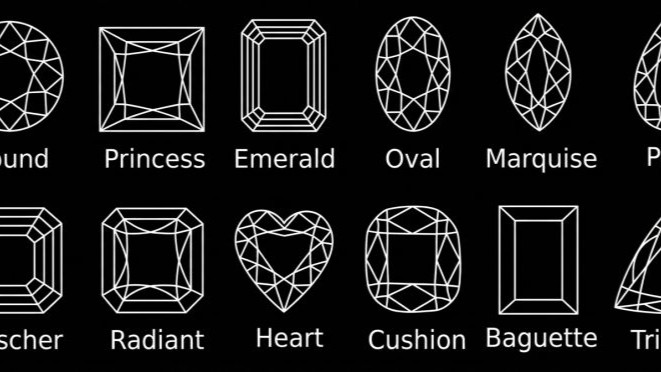
The diamond market isn’t slowing down, it’s shifting. As the global industry navigates economic headwinds and shifting consumer tastes, a clear pattern has emerged. Large diamonds and elongated fancy shapes are driving growth, while short, square cuts and low-quality stones are losing ground.
Today’s buyers from high-net-worth collectors to Gen Z engagement ring shoppers want bigger, better, and more distinctive diamonds. Market data from early 2026 confirms that well-proportioned elongated cuts like Oval, Marquise, and Emerald are outperforming rounds in the 2 carat and above categories, with premium buyers still active for ultra-rare stones in the 10+ carat, D-Flawless segment. For sellers, traders, and jewelers, the message is clear: stock quality fancies, understand the premiums, and access global liquidity through modern digital marketplaces.
This detailed report dives into the market shifts, pricing dynamics, regional demand patterns, and actionable strategies for capitalizing on these trends.
Elongated fancy shapes Oval, Marquise, Emerald, long Radiant, and long Cushion are doing better than round diamonds in the 2 carat and larger categories. According to weekly market analysis, high-quality Marquises, long Radiants, and long Cushions remain in short supply, which pushes prices upward. The same report from January 2026 notes that long fancies are selling briskly while buyers remain selective across the broader market.
This trend is not a fleeting fashion moment. Fancy shapes now account for approximately 65–70% of diamond sales in the premium engagement ring segment a remarkable jump from just 40% a decade ago. While the round brilliant cut remains the most popular shape for total units (approximately 54% of sales according to SuperJeweler), elongated fancy shapes are rising fast as couples prioritize personality alongside brilliance.
Several factors explain the surge in elongated fancy shape demand:
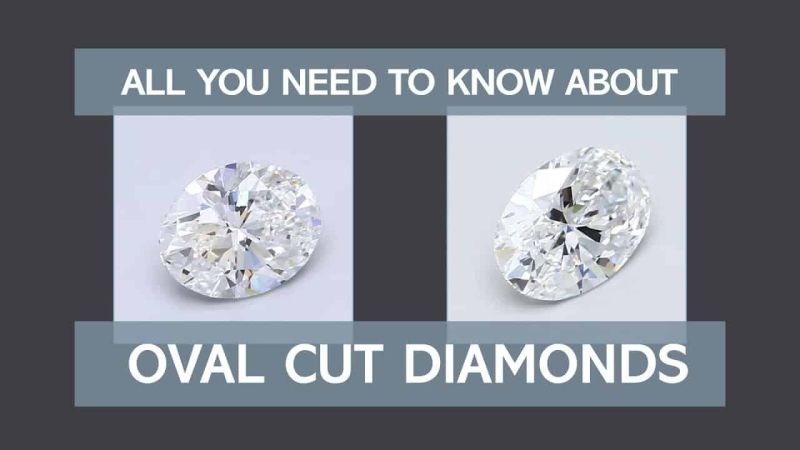
Visual size perception: An oval diamond has a larger face-up surface area than a round brilliant of the same carat weight. A marquise can look 15–20% larger than a round diamond of equal carat weight.
Finger-elongating effect: Long shapes create a slimming, elegant look on the hand, which is highly desirable for engagement rings.
Distinctiveness: Buyers are moving away from uniformity and seeking stones that reflect personal style.
For sellers, the key takeaway is supply tightness. High-quality Marquises, long Radiants, and long Cushions are genuinely hard to find. This scarcity is the primary driver of the premium pricing discussed below.
As of early 2026, the Marquise cut is the most expensive fancy shape on the market. Its elegant, elongated “navette” (little boat) silhouette maximizes carat weight visibility and creates a dramatic, flattering profile. However, well-cut Marquises are rare. Achieving the right length-to-width ratio (typically above 2.0) with symmetry and brilliance is technically challenging, which constrains supply and elevates prices.
The long Cushion diamond commands a significant premium over its square counterpart. Market data shows that long Cushions are currently trading at a 20–25% premium over square Cushions. Why such a stark difference?
Long Cushions combine the romantic, antique softness of a traditional Cushion cut with a modern, elongated finger-coverage silhouette. They offer a larger surface area than a square cushion of the same carat weight while maintaining a vintage charm distinct from the sharper lines of an Emerald or Radiant cut.
According to CaratX market analysis, the premium for long Cushions stems directly from aesthetics: “The elongated cushion combines the romantic softness and is easy to sell”. A practical example: a 3 carat F/VS2 long cushion currently trades at approximately $42,000 compared to $33,000 for a comparable square cushion.
The market is disciplining poor-quality stones. Well-cut fancy shapes command strong premiums and enjoy high liquidity, making them easy to buy and sell on the secondary market. Poorly cut stones, on the other hand, are hard to sell, with low demand and mounting price pressure.
For round diamonds, cut quality is graded on a scale from Excellent to Poor. For fancy shapes, symmetry, polish, and the consistency of the outline are equally critical. A poorly proportioned fancy shape such as an Oval with an excessive bow-tie effect or a Marquise with uneven shoulders is now a stagnant asset.
The most consistent signal from the 2026 market is that bigger is better. Diamonds in the 2 carat and above category see robust demand across multiple fancy shapes and round diamonds alike. This represents a structural shift from previous decades, where 1 carat was deemed the standard for engagement rings.
The 7–9.99 carat segment is enjoying extraordinary growth. This size range captures buyers seeking substantial, statement-worthy stones without crossing the psychological and financial threshold of 10 carats. Supply at this size is inherently limited, which supports price stability even as smaller diamond segments face pressure.
For ultra-high-net-worth buyers and collectors, 10+ carat D-Flawless diamonds remain in play. These stones are rare, their price volatility is lower than in mass-market categories, and premium buyers continue to actively acquire them as stores of value and heirloom assets. The Natural Diamond Council reports that the average price of a natural diamond engagement ring in the US climbed to $7,346 in 2025, a 9% increase from the previous year, as consumers chose larger, higher-quality stones.
The US remains the world’s largest diamond jewelry market. Within the US, elongated Oval diamonds are performing exceptionally well in 2026. Bridal demand remains strong, supported by a cultural shift toward self-purchase: more than 40% of women’s natural diamond jewelry sales by value are now self-purchases, according to a De Beers Group survey.
The sweet spot for Oval and other elongated fancy shapes is D–I color and VS–SI clarity. This range balances price, value, and visual appeal:
D–F (Colorless): Top-tier appeal, strong for premium buyers.
G–I (Near Colorless): Best value, visually indistinguishable from colorless without side-by-side comparison.
VS (Very Slightly Included): Excellent clarity without excessive cost.
SI (Slightly Included): Acceptable as long as inclusions are not visible to the naked eye.
Across all segments, buyers increasingly prioritize shape + visual size + value balance over absolute perfection in the 4Cs. An I-color, SI-clarity oval with excellent proportions and length-to-width ratio will often sell faster and at a higher relative premium than a D-color round diamond with mediocre cut.
The Princess cut, once a top contender for engagement rings, remains sluggish in 2026. Its square silhouette, relatively sharp corners (vulnerable to chipping), and less distinctive appearance compared to round or elongated cuts have contributed to declining demand.
Poorly proportioned fancy shapes whether Ovals with heavy bow-tie dark zones, Radiants with uneven faceting, or Pear cuts with off-center tips face low demand and persistent price pressure. As the market becomes more sophisticated and information-rich, buyers simply avoid stones that look visibly substandard.
For smaller diamonds under 1 carat, lab-grown stones are capturing significant market share due to budget constraints. Wholesale prices for lab-grown diamonds declined 14% in the first quarter of 2026, continuing a downward trend with “no clear floor yet”.
By 2026, a 1 carat D/VVS2 lab-grown diamond retails for approximately HKD 2,200–2,500 (about USD 280–320), compared to roughly HKD 55,000 (USD 7,050) at wholesale for a comparable natural stone. This price divergence is expanding: as of 2025, lab-grown diamonds cost approximately 83% less than natural counterparts, up from a 10% discount in 2015.
A two-market reality is now firmly established:
Small natural diamonds (0.30–0.89 carats): Prices are stabilizing, with supply-demand balance slowly improving after years of oversupply.
Large natural diamonds (2 carats+): Demand remains strong, premiums hold, and lab-grown competition is minimal due to the inherent scarcity of large natural stones.
For sellers, the implication is clear: focus inventory and capital on larger, well-cut natural stones in popular fancy shapes, and avoid accumulating poorly proportioned or commercial-grade stock.
One of the biggest challenges in the diamond trade has always been liquidity the ability to buy and sell diamonds quickly at fair market prices. Traditional channels (wholesalers, auctions, private dealers) are often opaque, fragmented, and slow.
Digital marketplaces are changing this. Modern B2B and B2C platforms provide price transparency, global reach, and direct connections between buyers and sellers. CaratX Marketplace connects the diamond, gemstone, and jewelry industry across 18+ international countries, bringing thousands of unique jewelry pieces, loose diamonds, gemstones, and pearls from over 200 artisan sellers.
Sellers of natural diamonds, jewelry, and gemstones can now access 18+ international countries through CaratX’s global marketplace. Whether you are a manufacturer, wholesaler, or jeweler, the platform provides a safe, responsible, and trusted network to transact.
Key advantages for sellers:
Direct access to B2B and B2C buyers worldwide without intermediaries.
Reduced costs compared to traditional wholesale channels.
Transparent pricing and real-time market data.
Sellers register on CaratX marketplace here to start selling
Jewelry businesses seeking to sell internationally can now do so through the CaratX Seller Plan. The platform handles the complexities of cross-border trade, customs documentation, and buyer verification, enabling smaller sellers to compete globally.
Sell jewelry internationally to buyers through our CaratX seller plan
Buyers looking for natural diamonds, gemstones, or jewelry can shop directly from the CaratX marketplace at competitive prices. The platform’s curated selection includes difficult-to-find elongated fancy diamonds and precious gemstones from trusted sellers worldwide.
Shop gemstones from our CaratX marketplace at unbeatable prices
For detailed information about CaratX pricing, fees, and seller plans:
More details about our Pricing, check here
Marquise Cut Diamonds – Detailed guide to the most expensive fancy shape
Popular Diamond Cuts 2026 – Data-driven guide to buyer preferences
Cushion Cut Diamonds – Comprehensive cushion cut analysis for understanding the 20–25% premium
The Rise of Elongated Diamonds – Sourcing and pricing guide
Sellers Register on CaratX – Start selling to 18+ international countries
CaratX Pricing and Seller Plans – Fee and plan details
CaratX Marketplace - Shop Natural Diamonds – Shop loose natural diamonds and gemstones
A: Marquise diamonds are currently the most expensive fancy shape because of a combination of high demand and limited supply. Achieving a well-cut Marquise with proper symmetry, a clean outline, and minimal bow-tie effect is technically challenging, which constrains availability. Their elongated shape offers superior finger coverage (appearing 15–20% larger than a round diamond of the same carat weight), making them highly desirable for engagement rings.
A: Current market data indicates that long Cushion diamonds trade at a 20–25% premium over square cushions of comparable carat weight, color, and clarity. For example, a 3 carat F/VS2 long cushion might trade at approximately $42,000 versus $33,000 for a square cushion. The premium reflects superior finger coverage, a modern elongated silhouette, and strong buyer preference.
A: The strongest growth segments are 2 carats and above (broad demand), 7–9.99 carats (very strong), and 10+ carats D-Flawless (high movement, premium buyers active). The 7–9.99 carat segment is particularly notable for its combination of substantial presence and relative rarity.
A: Yes, significantly for the small-stone segment (under 1 carat). Lab-grown diamonds now cost approximately 80–90% less than comparable natural stones, and wholesale prices fell another 14% in Q1 2026. However, for natural diamonds 2 carats and above, especially in well-cut fancy shapes, demand remains strong and lab-grown competition is minimal due to the inherent scarcity of large natural stones.
A: Based on 2026 US market data, the sweet spot for Oval diamonds is D–I color and VS–SI clarity. Prioritize length-to-width ratio (typically 1.35–1.50 for classic ovals) and minimize bow-tie effect (the dark band across the center). A well-cut G-VS2 oval with a favorable ratio will often outperform a poorly cut D-color stone on both value and liquidity.
A: Princess cut diamonds remain slow in 2026. More broadly, fancy shapes with poor proportions Ovals with heavy bow-tie, Radiants with uneven faceting, Pear cuts with asymmetry face low demand and persistent price pressure. The market increasingly favors elongated, well-proportioned stones over short or poorly cut alternatives.
A: Digital marketplaces like CaratX enable sellers to access B2B and B2C buyers across 18+ international countries directly, without intermediaries. Sellers can register on the CaratX marketplace at caratx.com/register. The platform provides price transparency, ethical sourcing verification, and tools to manage cross-border shipments and customs clearance.
A: The Kimberley Process Certification Scheme (KPCS) , established in 2003 as a UN-endorsed initiative, requires member states to implement import/export controls for rough diamonds to prevent conflict diamonds from entering the legitimate trade. For buyers, purchasing from Kimberley Process-compliant channels ensures that diamonds have been sourced through regulated, conflict-free supply chains. Academic research continues to evaluate the effectiveness of the KP as a meta-governance regime shaping transnational diamond regulation.
A: Round diamonds in the 0.30–0.89 carat range are showing signs of stabilization. Prices are stabilizing, and supply-demand balance is improving after years of oversupply pushed down values. However, this segment remains pressure-sensitive to lab-grown competition and broader economic conditions.
A: For real-time or near-real-time market intelligence, reliable sources include Rapaport Weekly Market Comments, industry trade publications (JCK, National Jeweler), and digital marketplace platforms like CaratX that aggregate transaction data and provide educational content on market trends. CaratX’s blog and resources section offers ongoing analysis of fancy shape premiums, pricing trends, and consumer behavior insights.
Follow CaratX for more insightful and educational content. Start selling diamonds in 18+ international countries today at www.caratx.com/register.
Aug, 06, 2022
Aug, 06, 2022

0 Comments
Please login to leave a reply.