
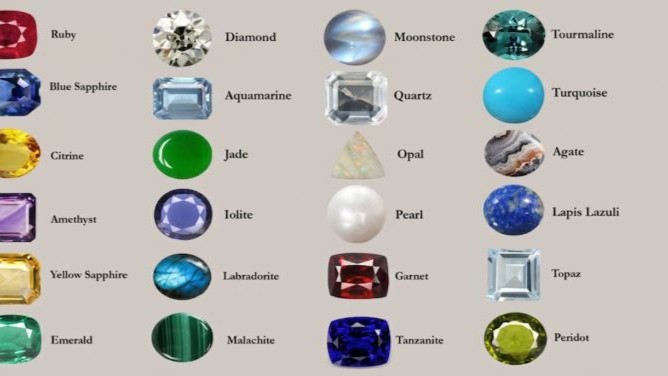
Gemstones have captivated humanity for millennia, serving as symbols of power, love, and personal expression. Today, the global gemstones market is evolving rapidly, with consumers seeking everything from timeless diamonds to unique colored stones that reflect their individuality.
In this guide, we explore the top 10 most popular gemstones worldwide, backed by market data, gemological science, and expert insights. We'll also examine industry trends, ethical sourcing, and investment potential, while helping you navigate the best places to buy and sell these treasures.
Diamond:
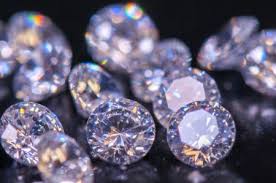
Diamonds account for over 70% of jewelry sales value globally, making them the most sought-after gemstone by far. The global diamond market was valued at USD 102.06 billion in 2025 and is projected to reach USD 153.1 billion by 2034, driven by sustained demand in engagement rings, luxury jewelry, and industrial applications. North America dominated with a 55% market share, supported by high disposable income.
Why diamonds reign supreme:
Exceptional durability: With a Mohs hardness of 10, diamonds are the hardest natural material.
Brilliance and fire: The way diamonds cut and polish light creates unmatched sparkle.
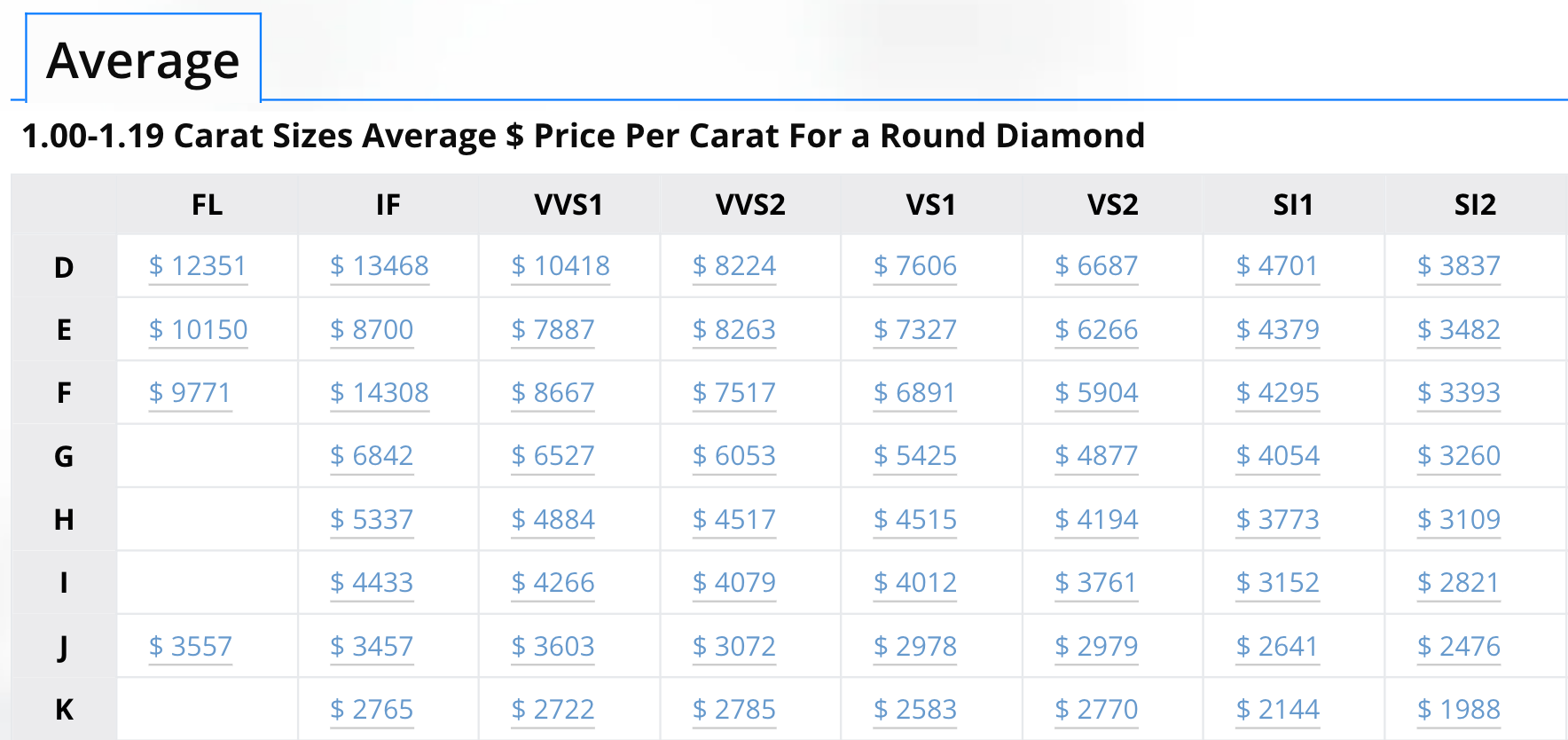
The 4Cs standard: The Gemological Institute of America (GIA) established the color, clarity, cut, and carat weight grading system that remains the industry benchmark.
Natural vs. lab-grown: In 2025, lab-grown diamonds captured over 45% of US engagement ring sales by volume, but natural diamonds still contributed 76% of revenue and 82% of gross profit for retailers. Natural diamonds held a 71% global market share by value, underscoring their enduring prestige.
Where to buy: For certified natural diamonds, explore the extensive inventory at CaratX Natural Diamonds. Sellers can list their diamonds on the CaratX Marketplace and reach buyers in 18+ countries.
Ruby:
Ruby, the red variety of the mineral corundum, has been prized for millennia as a symbol of passion, protection, and prosperity. High-quality rubies can exceed diamonds in price per carat, particularly for unheated stones from Myanmar (Burma).
Key characteristics:
Color: The finest rubies exhibit a vivid, slightly bluish-red hue known as "pigeon's blood."
Hardness: 9 on the Mohs scale (second only to diamond).
Sources: Myanmar, Mozambique, Madagascar, and Thailand.
Market trends: In Q1 2025, Gemports Ruby Index for natural rubies from Myanmar and Africa increased by 3.8% and 4.0%, respectively, compared to Q4 2024. Meanwhile, heated rubies saw slight declines, indicating a premium for untreated stones.
For a deeper understanding of ruby formation and origin determination, refer to the GIA's educational resources on ruby.
Find certified rubies at CaratX Colored Gemstones.
Sapphire:
While blue is the most iconic color, sapphires occur in virtually every hue pink, yellow, green, purple, and even colorless (called "fancy sapphires"). As the September birthstone, sapphire remains a favorite for engagement rings and fine jewelry.
Why sapphire stands out:
Durability: Mohs hardness of 9, making it suitable for daily wear.
Phenomenal varieties: Star sapphires (asterism) and color-change sapphires.
Market snapshot: High-quality, unheated sapphires saw a 3% price increase in Q3 2025, driven by scarcity and collector demand, even as commercial-grade stones softened by 20%.
The GIA Colored Stone Essentials course provides in-depth knowledge on sapphire identification and grading.
Browse loose sapphires at CaratX.
Emerald:
Emeralds, a variety of beryl colored by chromium and vanadium, have fascinated royalty and collectors for centuries. Colombia supplies approximately 50-90% of the world's emeralds, with Zambia (20%) and Brazil (15%) following. Colombian emeralds are renowned for their pure, intense green, while Zambian stones often exhibit a slightly bluish-green tint.
Unique characteristics:
Inclusions: Called "jardin" (French for garden), these internal features are accepted as proof of natural origin.
Hardness: 7.5–8 on the Mohs scale, but emeralds are often brittle due to natural fractures.
Treatments: Most emeralds are oiled to improve clarity; premium stones are treated with colorless oil.
Market dynamics: The colored gemstone market, including emeralds, is projected to grow at a CAGR of 6.1% through 2031, driven by demand for unique, personalized jewelry.
Shop emeralds and other gemstones at CaratX.
Amethyst:
Amethyst, a variety of quartz, is one of the most affordable and popular gemstones in fashion jewelry. Its purple hues range from pale lavender to deep violet, making it a versatile choice for both everyday wear and statement pieces.
Why amethyst dominates volume sales:
Abundance: Large deposits in Brazil, Uruguay, Zambia, and Russia.
Price: Typically ranges from $5 to $50 per carat for fine-quality stones.
Hardness: 7 on the Mohs scale, suitable for rings, earrings, and pendants.
Market role: Amethyst, topaz, and garnet lead in volume sales, catering to consumers seeking affordable luxury.
Discover amethyst jewelry at CaratX Marketplace.
Topaz:
Natural topaz is colorless, but impurities create a spectrum of colors: blue, yellow, orange, pink, and the rare imperial topaz. Blue topaz often irradiated to enhance color is the most widely used variety in commercial jewelry.
Key facts:
Hardness: 8 on the Mohs scale (excellent durability).
Sources: Brazil, Nigeria, Sri Lanka, and Russia.
Imperial topaz: The most valuable variety, exhibiting a golden-orange to pinkish-orange hue.
Market trends: Topaz remains a budget-friendly alternative to more expensive gemstones, with growing demand in mid-range jewelry lines.
View topaz products at CaratX.
Garnet:
Garnet is not a single mineral but a group of related silicates, producing colors from deep red to orange, green, and even color-change varieties. The most common is pyrope (red), while tsavorite (green) and demantoid (green with high dispersion) are rare and valuable.
Why garnet is a staple:
Durability: 6.5–7.5 on the Mohs scale.
Affordability: Quality red garnets often cost $10–$100 per carat.
Historical significance: Used since the Bronze Age in jewelry and carvings.
Market position: Garnet enjoys strong demand in everyday jewelry and is increasingly featured in bridal and fashion collections.
Explore garnet collections at CaratX.
Aquamarine:
Aquamarine, the March birthstone, is a blue to greenish-blue variety of beryl (same family as emerald). Its clean, calming color and excellent transparency make it a favorite for modern, minimal designs.
Properties:
Hardness: 7.5–8 on the Mohs scale, making it suitable for rings and bracelets.
Clarity: Typically eye-clean, with few inclusions.
Value factors: The most desirable color is "Santa Maria" blue a deep, intense blue with no green modifiers.
Market trends: Aquamarine is a consistently fast-moving gemstone in higher and medium qualities, with growing popularity in bridal accents and everyday luxury jewelry.
Shop aquamarine jewelry at CaratX.
Opal:
Opal is unique among gemstones for its play-of-color a phenomenon where light diffracts through microscopic silica spheres to produce a rainbow of colors. Precious opal (which displays this effect) is highly valued, while common opal lacks the color play.
Types of opal:
Black opal: Dark body tone that enhances color play; most valuable.
White opal: Light body color, more common and affordable.
Boulder opal: Natural ironstone matrix with opal veins.
Fire opal: Transparent to translucent with orange, yellow, or red body color (may or may not show play-of-color).
Care considerations: Opals contain 3–21% water; avoid sudden temperature changes and prolonged exposure to sunlight to prevent cracking.
Discover unique opals at CaratX.
Turquoise:
Turquoise, a blue-green copper aluminum phosphate, is one of the first gemstones ever mined, with artifacts dating back to 4000 BC in Egypt. It has been treasured by Persian royalty, Native American cultures, and Chinese dynasties for millennia.
Key characteristics:
Matrix: The host rock (often iron pyrite or sandstone) creates distinctive veins.
Color: High-quality turquoise is robin's egg blue with minimal matrix.
Sources: Iran (Persian), USA (Arizona, New Mexico), China, and Mexico.
Market position: Turquoise remains popular in traditional and handcrafted jewelry, especially in Southwest USA and Native American designs.
Find turquoise pieces at CaratX.
Market Insights: Trends Shaping the Gemstone Industry
Colored Gemstones Are Rising -
The global colored gemstones market was valued at $2.14 billion in 2025 and is expected to reach $3.44 billion by 2032 (CAGR of 6.91%). The broader gemstones market is projected to grow from $32.96 billion in 2025 to $34.92 billion in 2026 at a CAGR of 6%.
Premium vs. Volume Segments -
Premium gemstones (ruby, sapphire, emerald) dominate value sales, with high-quality specimens often exceeding diamond prices per carat.
Affordable gemstones (amethyst, topaz, garnet) lead in volume sales, catering to the mid-market and fashion jewelry sectors.
Lab-Grown Impact -
Lab-grown diamonds now represent over 45% of US engagement ring purchases by volume, but natural diamonds still command higher per-unit value. For colored stones, lab-grown alternatives are emerging but remain a small fraction of the market.
Investment Potential: Are Gemstones a Good Investment?
While not a traditional asset class, high-quality gemstones have shown long-term appreciation, particularly for untreated, rare specimens. Key considerations for investors:
Rarity: Unheated rubies, natural fancy-color diamonds, and emeralds from historic mines.
Certification: GIA or AGS reports are essential for provenance and quality verification.
Market volatility: Prices for commercial-grade stones can fluctuate; top-tier "investment stones" have shown resilience.
For 2025, experts suggest it's a buyer's market for both diamonds and colored gems, with opportunities to acquire quality stones at reasonable prices.
Frequently Asked Questions (FAQs)
1. Which gemstone is the rarest?
Painite (discovered in Myanmar) holds the Guinness World Record for rarest gemstone, with only a few dozen faceted specimens known. Among popular gems, red diamonds and demantoid garnet are exceptionally rare.
2. How can I verify if a gemstone is natural?
Request a laboratory report from GIA, AGS, or other accredited labs. These reports confirm natural origin, treatments, and country of origin.
3. Are lab-grown gemstones real?
Yes. Lab-grown gems have the same chemical, physical, and optical properties as natural ones but are created in controlled environments. They are typically more affordable.
4. What is the best gemstone for an engagement ring?
Diamond remains the most traditional choice, but sapphire (durability 9), ruby (9), and moissanite (9.25) are excellent alternatives.
5. How should I care for my gemstone jewelry?
Store each piece separately to avoid scratching.
Clean with mild soap and soft brush (avoid ultrasonic cleaners for opals, emeralds, and pearls).
Remove jewelry during heavy labor, sports, or exposure to chemicals.
6. Can I sell gemstones online?
Absolutely. Platforms like CaratX allow sellers to list gemstones and jewelry for B2B and B2C buyers in 18+ countries.
Start Your Gemstone Journey with CaratX
Whether you're a buyer seeking certified gemstones at unbeatable prices or a seller looking to expand into international markets, CaratX is your trusted partner.
Sell to 18+ countries – Register now: www.caratx.com/register
Shop natural diamonds – https://caratx.com/search-results/Natural
Explore our seller plans – www.caratx.com/register
View pricing and launch options – CaratX Pricing
Follow CaratX for more insightful and educational content about the gemstone and jewelry industry.