

One Ruby, Many Origins: How Geography Sculpts Nature's Most Captivating Red Gem
Home
News And Media One Ruby, Many Origins: How Geography Sculpts Nature's Most Captivating Red Gem SHOP NOWHome
News And Media One Ruby, Many Origins: How Geography Sculpts Nature's Most Captivating Red Gem SHOP NOWJan, 09, 2026 by Archit Mohanty 0 Comments
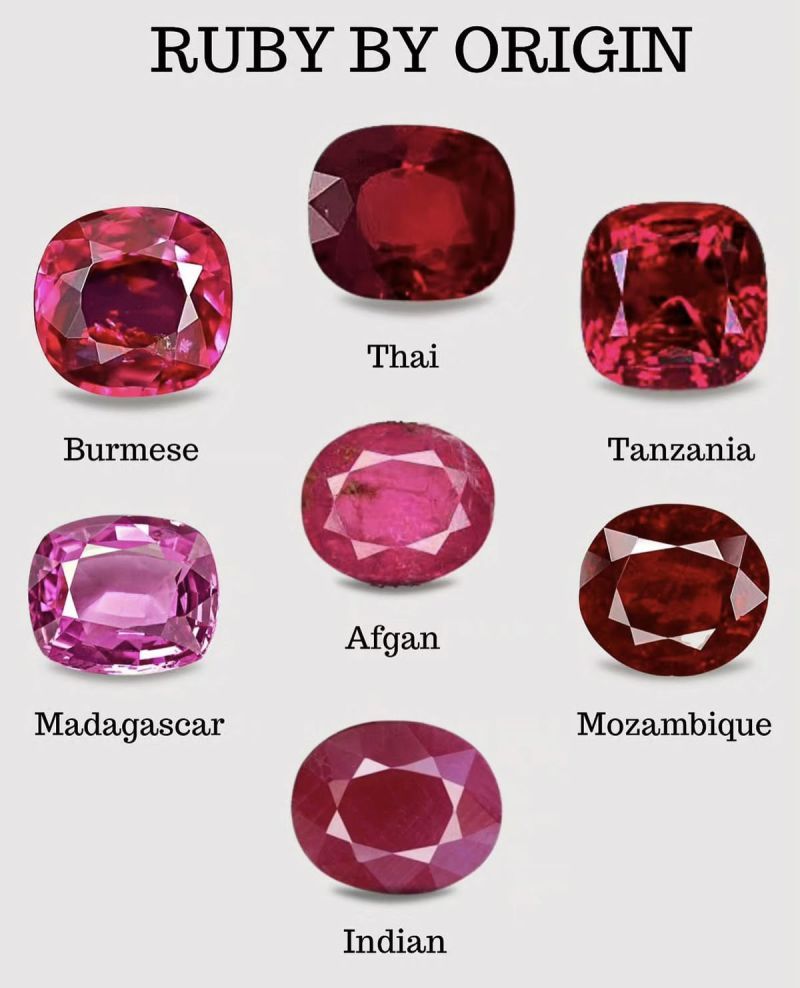
Few gemstones captivate the human imagination like the ruby. Synonymous with passion, power, and protection, this precious red corundum has been treasured for millennia. Yet, not all rubies are created equal. Beyond sharing a name, their very essence color, clarity, and character is a direct reflection of the unique geological crucible that formed them.
Each origin writes a different chapter in the ruby's story, imparting distinct visual traits and personality shaped by millions of years of tectonic pressure, mineral interaction, and elemental conditions. For jewelers, collectors, and investors, understanding a ruby's geographical birthplace isn't just academic; it's key to appreciating its true value, beauty, and narrative.
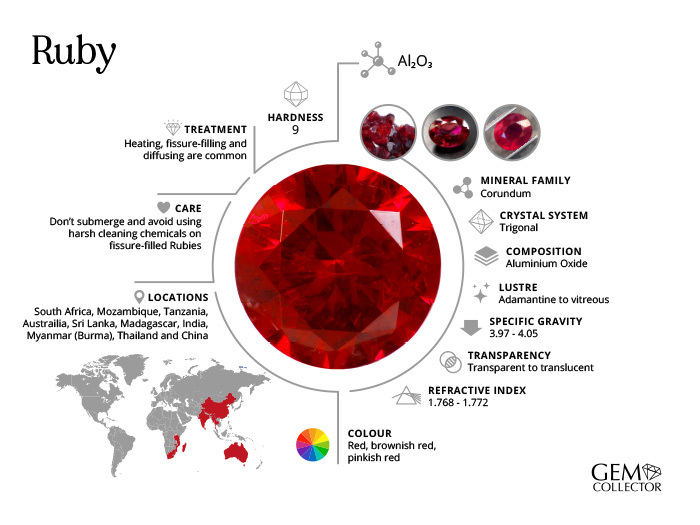
A ruby’s journey begins deep within the Earth’s crust, where aluminum oxide (corundum) is tinted red by trace amounts of chromium. The specific hue, saturation, and presence of inclusions (often called "fingerprints") are dictated by the unique geochemistry of its location.
Factors such as the presence of iron, titanium, and other minerals during formation, along with the precise conditions of heat and pressure, create regional signatures. This makes origin a primary factor in identification, valuation, and desirability.
For centuries, Mogok Valley rubies have set the global benchmark. Known as "pigeon's blood" rubies, they are celebrated for an intensely saturated, pure red fluorescence with a slight bluish undertone, appearing to glow from within. Their rarity and historical significance, favored by royalty and connoisseurs, make them the most coveted.
The geology of the Mogok tract, with its marble-hosted deposits, produces rubies with typically fewer iron impurities, allowing for that legendary vivid redness.
Explore legendary gemstones on our CaratX Gemstone Marketplace.
Since the early 2000s, Mozambique has emerged as a leading source for high-quality rubies. Originating from the Montepuez area, these rubies rival Burmese stones in color but often possess a slightly different composition.
They are prized for their intense red color and exceptional clarity and transparency, often available in larger sizes. Mozambique rubies have redefined the market, offering consistency and size that meet modern demand.
Find exceptional Mozambican rubies among our Natural Ruby Collection at CaratX.
Historically a major trading and treatment hub, Thailand also produces its own rubies, typically from the Chanthaburi and Trat regions. Thai rubies form in basaltic rocks, which introduce higher iron content. This results in richer, darker red shades sometimes with burgundy or brownish undertones and less fluorescence than their Burmese counterparts.
They are known for their bold, strong appearance and excellent cut. Discover sophisticated dark red rubies in our curated B2B Gemstone Lots for jewelers.
Madagascar is a relative newcomer that has quickly become a major and diverse source. Rubies from here, particularly from the Andilamena and Vatomandry deposits, often exhibit a bright, lively pinkish-red tone that appeals to modern tastes.
They can range from soft pink to vivid red, offering a fresh and often more affordable alternative with high clarity. Shop for vibrant and elegant Madagascar Rubies on CaratX at unbeatable prices.
The Longido and Winza mining areas produce rubies known for their bright and vibrant colors, often with a pure red to slight purple hue. While sometimes smaller in size, Tanzanian rubies are admired for their lively saturation and can display beautiful asterism (star rubies). Their geological formation is similar to Mozambique, sharing East Africa's gem-rich corridor.
Browse our collection of Colored Gemstones to find lively Tanzanian specimens.
The rugged mountains of Jegdalek, Afghanistan produce rubies with a soft, natural red hue and a distinctive earthy charm. These stones, often formed in marble like Burmese rubies, can show excellent color but are frequently included, adding to their rustic character. Their scarcity in the market and challenging extraction add to their mystique.
For rare and unique gemstones, explore CaratX's Global Sourcing Network.
India's ruby mining, particularly from Karnataka, is steeped in history and tradition. These rubies often display classic, slightly purplish-red tones and are deeply woven into the subcontinent's cultural and jewelry heritage. They reflect a legacy of craftsmanship and are a testament to India's long-standing gemological significance.
Appreciate traditional gemstones and modern designs in our Fine Jewelry section.
In today's interconnected market, sourcing rubies directly from their origins or verified suppliers is key to ensuring authenticity and value. This is where a trusted global marketplace becomes indispensable.
CaratX bridges the gap between international sellers and discerning buyers. Whether you are a B2B jeweler looking for a consistent supply of calibrated Mozambican rubies or a B2C collector seeking a rare Burmese stone, our platform provides transparency, variety, and security.
For Sellers: Gain access to a network of 18+ international countries. Our seller plan simplifies international logistics, payments, and marketing. Register as a Seller on CaratX to launch your products and connect with global buyers.
For Buyers: Shop with confidence from a vetted selection. Whether you're looking for Natural Diamonds or a specific Ruby from our Gemstone Marketplace, CaratX offers competitive prices and detailed product information.
Learn more about how to streamline your business with our comprehensive guide on Launching Your Products on CaratX.
Q: Which ruby origin is the most valuable? A: Traditionally, untreated "pigeon's blood" rubies from Burma (Myanmar) command the highest prices at auction due to their legendary color and rarity. However, top-quality, untreated rubies from Mozambique are also extremely valuable and sought-after in the contemporary market.
Q: Does origin affect the ruby's durability? A: No. All rubies are a variety of corundum, which has a Mohs hardness of 9, making them exceptionally durable regardless of origin. Value differences are based solely on color, clarity, carat, and the provenance's prestige.
Q: Are rubies from certain origins more likely to be treated? A: Heat treatment is common across all origins to improve color and clarity. However, the prevalence of other treatments, like lead glass filling, can vary. Full disclosure from the seller and a detailed lab report are essential to understand any treatments applied.
Q: Why should I use CaratX to buy or sell rubies? A: CaratX provides a secure, global platform that simplifies cross-border trade. For sellers, it offers instant access to new markets. For buyers, it provides a diverse, vetted inventory with transparent pricing and detailed listings, ensuring an informed and safe purchase.
Ready to explore the world of rubies?
Whether you're buying or selling, start your journey with a global partner. Register on CaratX Today and unlock the international gemstone market.
May, 26, 2026
Aug, 06, 2022
Aug, 06, 2022

0 Comments
Please login to leave a reply.