
When most people think of brilliant, fiery gemstones, diamonds immediately come to mind. Yet nature has crafted another remarkable mineral that not only rivals diamond's sparkle but carries within it something far more precious: Earth's deepest memories. Zircon, one of our planet's oldest minerals, serves as both a breathtaking gemstone for jewelry and a scientific time capsule that has fundamentally reshaped our understanding of Earth's history.
Far from being just a diamond simulant or the synthetic cubic zirconia often confused with it, natural zircon boasts a unique identity, storied past, and complex character that every gem enthusiast should appreciate.
In this guide, we'll explore zircon's geological origins, gemological properties, historical significance, and its place in today's jewelry market.
Geological Origins –
Formation and Composition -
Zircon forms as a primary accessory mineral in igneous rocks like granite and as detrital grains in sedimentary rocks. Chemically, it is zirconium silicate (ZrSiO₄), and its crystal structure possesses a remarkable resilience that allows it to survive erosion, transport, and even metamorphic events that destroy other minerals.
This durability is key to its role as nature's ultimate chronometer. When zircon crystals crystallize from magma deep within the Earth, they readily incorporate trace amounts of uranium atoms into their structure while strongly rejecting lead. This initial condition uranium present, lead absent sets the stage for it to become a precise radiometric clock.
Over hundreds of millions to billions of years, the uranium isotopes decay into lead at a known, constant rate. By measuring the ratio of uranium to lead in a zircon crystal today, geochemists can calculate its formation age with extraordinary precision, often to within a few million years a blink of an eye in geological time.
The Oldest Known Pieces of Earth -
Some of the most ancient terrestrial materials ever discovered are zircon crystals. Tiny zircons from the Jack Hills of Western Australia have been dated to about 4.4 billion years old. This is staggeringly close to the age of Earth itself (approximately 4.54 billion years). These ancient grains provide tangible evidence of Earth's earliest crust and suggest that cool, solid surfaces and even water may have existed much earlier than previously thought, radically altering models of our planet's infancy.
For those fascinated by the origins of Earth's treasures, understanding a gem's geological background adds deep appreciation.
Explore a world of natural wonders on the CaratX gemstone marketplace, where every stone has a story millions of years in the making.
Gemological Properties –
Optical Characteristics:
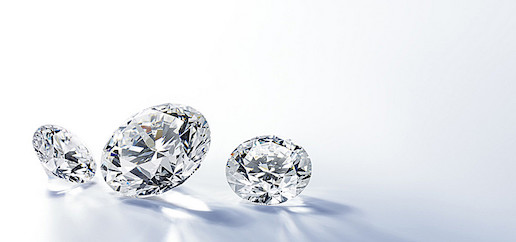
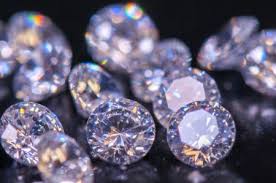
Zircon is renowned in the gem world for its high refractive index and strong dispersion. Dispersion refers to a gem's ability to split white light into the spectral colors, an effect known as "fire." Zircon's dispersion (0.038) is notably higher than that of diamond (0.044), meaning it can exhibit spectacular flashes of colored light. Combined with its adamantine (diamond-like) to vitreous luster, this gives fine zircon a brilliance and sparkle that can indeed rival diamond to the untrained eye.
However, a critical point of confusion must be cleared: Zircon is entirely unrelated to cubic zirconia (CZ). Cubic zirconia is a synthetic, laboratory-created material (zirconium dioxide) with different chemical and physical properties. Natural zircon is an ancient, naturally occurring mineral with immense geological value.
The Spectrum of Color -
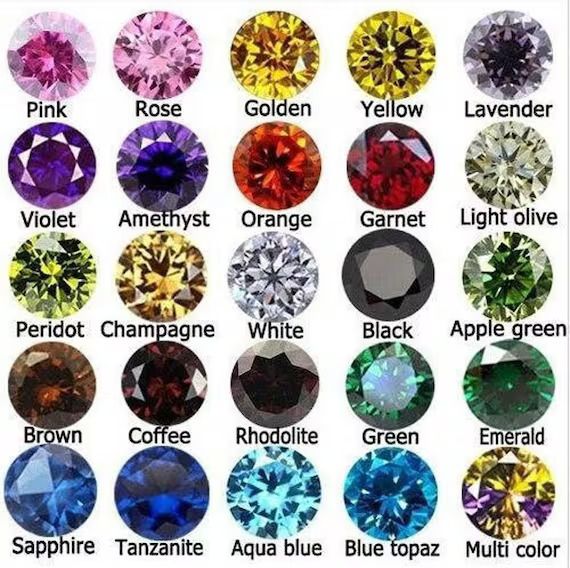
Zircon occurs in a diverse palette of colors, influenced by its trace elements and internal structure:
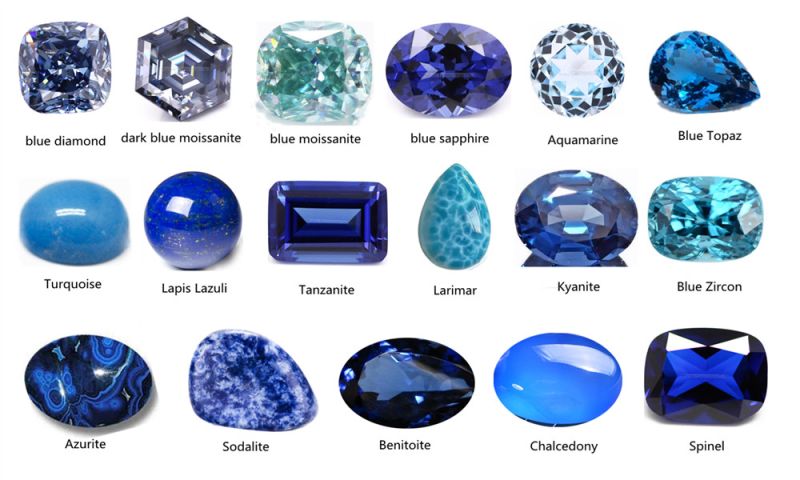
Blue Zircon: The most popular and valuable gem variety, typically heat-treated from brownish material. Its vibrant sky-blue to teal shades are highly sought after.
Colorless Zircon: Once a common diamond alternative, prized for its exceptional brilliance and clarity.
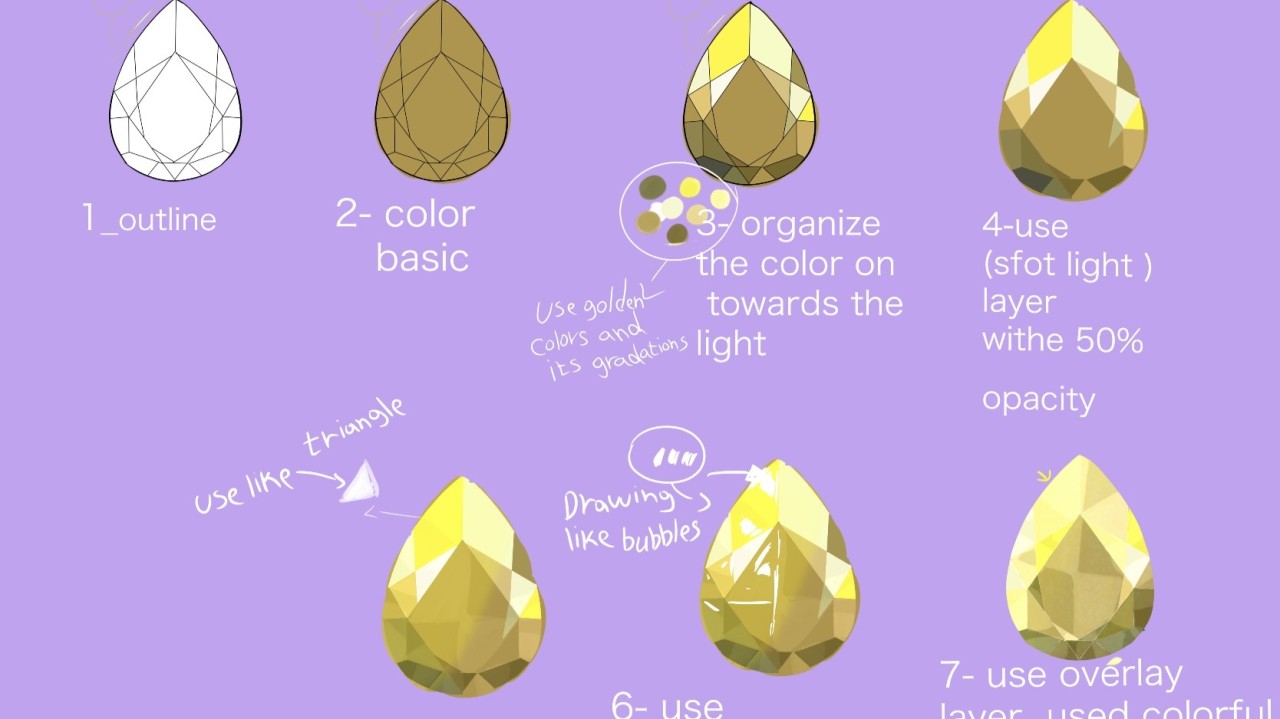
Golden & Honey Zircons: Warm yellows, golds, and cinnamon tones that radiate warmth.
Red & Orange Zircon: Rarer colors, sometimes called "hyacinth" in historical texts.
Green Zircon: Rare; its color is sometimes caused by natural radiation.
Durability and Care:
Here lies zircon's main weakness for jewelry use. While reasonably hard (6.5-7.5 on the Mohs scale), zircon has brittleness and a tendency to chip due to its crystal structure. It can also suffer from wear along facet edges over time. Furthermore, some zircons may undergo metamictization where internal radiation from decaying uranium damages the crystal lattice, making it cloudy and more brittle.
Never clean zircon in an ultrasonic or steam cleaner. Avoid sudden temperature changes and harsh impacts. Clean only with warm soapy water and a soft brush.
For jewelry that demands a durable centerpiece, nothing compares to the timeless strength of diamond. Discover a curated selection of natural diamonds that are as resilient as they are beautiful at CaratX's diamond collection.
From Ancient Talisman to Scientific Star -
Zircon has a rich human history. Its name likely derives from the Persian "zargun," meaning "gold-colored." For centuries, it was believed to induce sound sleep, ward off evil, and promote prosperity. In the Victorian era, blue zircon was a favorite gemstone.
Its modern scientific significance, however, dwarfs its gemological use. Zircon geochronology has become the preeminent method for dating Earth's oldest rocks and major geological events. It is used to date mountain-building events, continental collisions, and the evolution of Earth's crust and mantle.
Zircon in Today's Jewelry Market -
Today, zircon is a gem for connoisseurs who value its unique history and optical properties over mere hardness. Blue zircon is a popular December birthstone alternative. When shopping, consumers should look for well-cut stones with vibrant color and good clarity. Due to its brittleness, it is best set in protective settings like bezels or in jewelry subject to less wear, such as earrings or pendants.
Understanding the nuances of gemstones like zircon is part of the comprehensive education we believe in at CaratX. Dive deeper into the 4Cs (Cut, Color, Clarity, Carat) and more with our detailed CaratX Diamond Guide, your resource for making informed and confident purchases.
Sourcing and Selecting Your Zircon -
Treatments and Enhancements -
The vast majority of blue zircons on the market are heat-treated. This is a stable and permanent treatment that does two things: 1) it repairs radiation-damaged crystal structures in "low" zircons, and 2) it induces beautiful blue colors in otherwise brownish rough. This process is universally accepted in the trade.
When evaluating color, terms like "high" and "low" zircon refer to the degree of crystallinity (structural integrity), not necessarily quality or value a "low" zircon that has been successfully heat-treated to a vibrant blue can be extremely valuable.
Zircon is widely and ethically available. Major sources include Cambodia, Sri Lanka, Myanmar, and Australia. It remains a relatively affordable gemstone, offering exceptional beauty per dollar, especially in larger sizes. As with any gem, value is driven by size, color intensity, clarity, and quality of cut.
Finding the perfect gemstone requires connecting with a trusted marketplace.
Whether you're a buyer seeking a unique piece or a seller with exceptional stones, CaratX connects the global gemstone community.
Sellers can register here to launch their products and reach a discerning international audience.
Conclusion:
Zircon is truly a gem with two souls. In one facet, it is a brilliant, fiery, and beautiful jewel with a color range that captivates the senses. In another, it is a humble, ancient, and indestructible mineral that has silently recorded the epic narrative of our planet. It teaches us that beauty is not only skin-deep but can be etched in the very fabric of time.
Whether you are drawn to its sparkle, its science, or its story, zircon deserves recognition far beyond its common role as a diamond stand-in. It is, in every sense, Earth's memory keeper.
Frequently Asked Questions (FAQs)
Q: Is zircon the same as cubic zirconia? A: Absolutely not. This is the most common misconception. Zircon is a natural mineral (zirconium silicate) formed over millions of years. Cubic zirconia (CZ) is a synthetic, lab-created material (zirconium dioxide) invented in the 1970s. They have different chemical compositions, physical properties, and values.
Q: How can I tell if my blue zircon is natural? A: While a definitive identification requires a gemological lab, natural blue zircon has strong doubling of facet edges when viewed with a loupe due to its high birefringence. It is also warmer to the touch than CZ or glass, which feel cooler. Purchasing from a reputable dealer like those on the CaratX marketplace who provide accurate descriptions is the best assurance.
Q: Why is zircon considered brittle if it's a 7.5 on the Mohs scale? A: The Mohs scale measures scratch resistance, not toughness (resistance to breaking or chipping). Zircon has perfect cleavage in one direction, meaning it can easily split along a plane of atomic weakness if struck. Its brittleness makes it more susceptible to damage from impact than a gem like jade, which is softer but much tougher.
Q: Is heat-treated zircon less valuable? A: Not necessarily. Heat treatment is a standard, accepted practice for zircon that permanently enhances its color and stability. A beautifully heated blue zircon is far more valuable than an untreated, muddy brown stone. The treatment should always be disclosed by the seller.
Q: Where can I learn more about gemology and diamonds? A: For authoritative information, consult resources from the Gemological Institute of America (GIA). For a practical guide to selecting diamonds and understanding key terms like carat, cut, color, and clarity, visit the CaratX Diamond Guide, a great starting point for your educational journey.
Image Credit - India Mart