
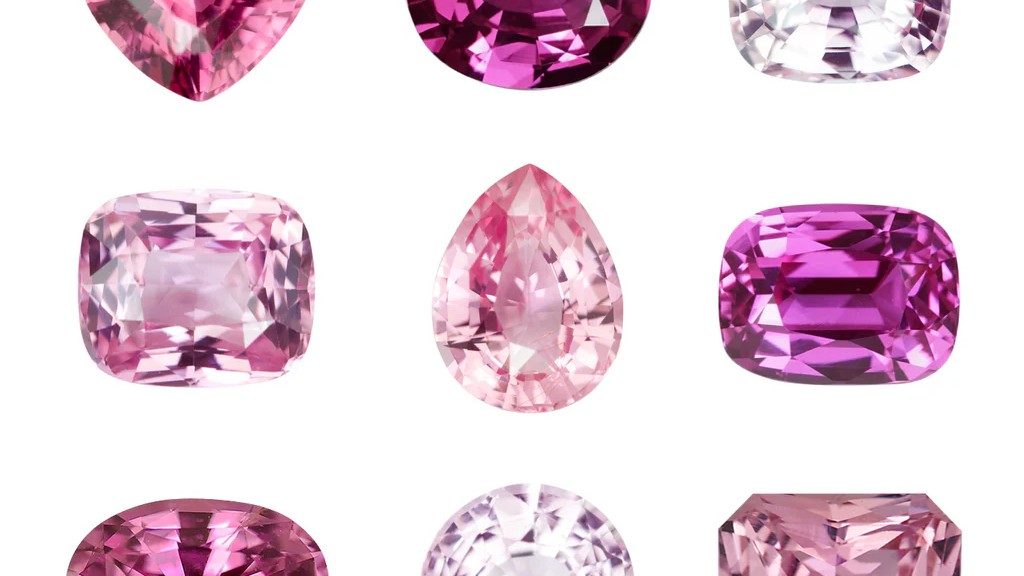
Introduction:
In the dynamic world of fine jewelry, a quiet revolution has been unfolding. Pink sapphires, once relegated to the sidelines as niche alternatives, have blossomed into the undisputed stars of modern design. Their ascent from specialty gem to mainstream darling reflects a broader cultural shift toward personalized expression, color-infused luxury, and conscious consumption. This isn't a fleeting trend; it's a fundamental reimagining of what luxury gemstones represent for a new generation.
The journey of the pink sapphire is a story of changing aesthetics and values. As buyers, particularly millennials and Gen Z, seek stones with personal meaning and visual distinctiveness, the soft blush to vivid fuchsia hues of pink sapphires offer a perfect canvas. Their exceptional durability a 9 on the Mohs scale, second only to diamond makes them ideal for heirloom-quality engagement rings and daily-wear jewelry. This combination of beauty, strength, and relative accessibility has positioned pink sapphires at the forefront of the "soft luxury" movement, where elegance meets wearability.
For industry professionals and jewelry lovers alike, understanding the pink sapphire phenomenon is essential. This guide will explore the gem's scientific properties, its meteoric market rise, direct comparisons with alternatives like pink diamond and morganite, and a data-driven forecast for its trajectory through 2026 and beyond. We'll also provide practical guidance on evaluating, purchasing, and caring for these captivating stones.
Unveiling the Pink Sapphire –
The Geology of Color: What Makes a Sapphire Pink
To truly appreciate a pink sapphire, one must understand its origin. Sapphires belong to the mineral species corundum (aluminum oxide). In its purest form, corundum is colorless. The stunning palette of sapphires from blues and yellows to pinks and padparadscha arises from trace elements that infiltrate the crystal structure during formation.
The signature pink color is primarily due to the presence of chromium (Cr³⁺ ions). The concentration of chromium is the critical factor: a little creates soft pastel pinks, while a higher concentration leads to rich, saturated hot pinks and reds. It's this precise chemical ballet that distinguishes a pink sapphire from its ruby cousin; in many gemological systems, including those used by the Gemological Institute of America (GIA), the line between pink sapphire and ruby is defined by color saturation and hue, making pink sapphires a fascinating and varied category.
These gems form under intense heat and pressure in metamorphic rocks (like marble) or in basaltic terrains. Major sources include Madagascar, Sri Lanka, Myanmar, and East Africa. Each locale can produce stones with slightly different characteristic hues and inclusions, adding a layer of geographical mystique to each gem.
The Four Cs: Evaluating Pink Sapphires
Like diamonds, sapphires are evaluated using a framework, though with a heightened emphasis on color.
Color: The paramount quality. This is assessed by three components:
Clarity: Pink sapphires typically form with some internal characteristics ("inclusions"). Eye-clean stones those with no inclusions visible to the naked eye are most desirable for faceted gems. Some inclusions, like fine silk, can create a soft, velvety appearance that is sometimes prized.
Cut: A masterful cut is crucial. It must maximize the stone's color, brilliance, and sparkle while preserving as much carat weight as possible from the rough crystal. Cuts range from classic ovals and cushions to fancy shapes like trilliants and hearts.
Carat Weight: Pink sapphires are available in a wider range of sizes than pink diamonds. Due to their greater availability, price per carat increases steadily but not as exponentially as with diamonds, allowing for more significant center stones within a budget.
For those looking to build their inventory with such captivating stones, a global marketplace like CaratX's gemstone hub offers access to a diverse range of pink sapphires from trusted sellers worldwide.
The Market Meteoric Rise –
A Timeline of Trends (2018-2026)
The pink sapphire's path to prominence is a case study in how consumer preferences and cultural trends reshape an industry.
2018–2020: The Alternative Bridal Boom. The movement toward non-traditional engagement rings gained serious momentum. Couples began seeking stones that symbolized uniqueness and personal style over convention. Pink sapphires, with their romantic connotations and durability, became a flagship gem for this movement, moving from specialty jewelry cases to mainstream bridal collections.
2021–2023: The Influencer and Celebrity Effect. Social media platforms, particularly Instagram and Pinterest, became digital showrooms. Influencers and celebrities showcasing pink sapphire engagement rings and statement jewelry created viral demand. High-profile designers responded by featuring pink sapphires in signature collections, further validating their status as a luxury choice. This period saw a surge in custom design requests.
2024–2025: Mainstream Customization & Lab-Grown Maturity. The trend became deeply entrenched. Jewelers reported pink sapphires as a top request for custom engagement rings. Simultaneously, the lab-grown sapphire market reached new levels of quality and consistency, offering an ethical, affordable, and dazzling pink option. This dramatically increased accessibility, allowing more consumers to own a vibrant, sizable pink stone.
2026 Forecast: Peak Integration and Expression. Demand is projected to grow, driven by:
For retailers, this trend represents a significant opportunity. Platforms that streamline access to a global network of suppliers, like the CaratX marketplace, are essential for sourcing the right stones to meet this growing and discerning demand.
The Comparative Analysis – Pink Sapphire vs. The Alternatives
Pink Sapphire vs. Pink Diamond: The Value Proposition Showdown
Core Identity:
Pink Sapphire: The Bold & Accessible Choice
Pink Diamond: The Ultimate & Rare Choice
Origin of Color -
Pink Sapphire: Caused by trace elements (typically chromium) present during its formation in the earth.
Pink Diamond: Caused by structural distortion (plastic deformation) of its crystal lattice during its journey to the earth's surface.
Rarity & Supply -
Pink Sapphire: Rare, but commercially available. Mined in several locations globally (e.g., Madagascar, Sri Lanka, Myanmar), ensuring a consistent, though limited, supply.
Pink Diamond: Exceptionally rare. The vast majority came from the now-closed Argyle mine in Australia, drastically constricting supply and amplifying rarity.
Color Range -
Pink Sapphire: Extremely wide spectrum. Ranges from soft pastel and peachy-pink to intense hot pink and vivid purplish-pink ("magenta").
Pink Diamond: More limited range. Often found in lighter tones; saturated "Fancy Vivid" pink diamonds are among the rarest gems on earth.
Durability (for jewelry) -
Pink Sapphire: Excellent (9 on Mohs Scale). Second only to diamond, making it perfectly suited for daily wear in any jewelry type.
Pink Diamond: Exceptional (10 on Mohs Scale). The hardest natural material, offering supreme resistance to scratching.
Price Accessibility -
Pink Sapphire: High accessibility. Offers significant size and color intensity for the budget. A 1-2 carat vivid stone is an attainable luxury.
Pink Diamond: Extremely high. Price per carat can be 10-20 times (or more) that of a comparable pink sapphire. Intense colors command astronomical prices at auction.
Primary Appeal & Value Proposition -
Pink Sapphire: Maximized beauty, size, and value. The ideal choice for a bold, colorful, and luxurious statement without compromise on appearance or durability.
Pink Diamond: Ultimate rarity and investment. The choice for unparalleled status, collectibility, and a store of significant value beyond its beauty.
The pink sapphire is the champion of accessible luxury. It delivers outstanding beauty and durability, allowing for a bold, personalized statement.
The pink diamond is a supreme investment and trophy gem, where the value lies as much in its rarity as its beauty. For retailers, offering stunning pink sapphire alternatives caters to the vast majority of the market seeking color and brilliance. Explore a curated selection of natural diamonds and colored gems to compare for yourself on CaratX .
Pink Sapphire vs. Morganite:
Core Identity:
Pink Sapphire: The Durable & Vivid Choice
Morganite: The Delicate & Romantic Choice
Hardness & Durability -
Pink Sapphire: 9 on the Mohs Scale. Outstanding durability, making it exceptionally suited for daily wear in rings and other jewelry subject to impact.
Morganite: 7.5 to 8 on the Mohs Scale. Good durability, but noticeably more prone to scratching over time compared to sapphire. Requires more protective settings.
Color Characteristics -
Pink Sapphire: Can achieve vivid and saturated pink hues. Color is generally stable and will not fade under normal conditions.
Morganite: Typically a soft, peachy-pink or salmon hue. Its color can fade or diminish with prolonged exposure to strong light and heat, requiring care to preserve its appearance.
Clarity & Appearance -
Pink Sapphire: Typically found eye-clean with excellent transparency and brilliance. High-quality stones offer a clear, crisp look.
Morganite: Often very clean internally but can frequently exhibit a slightly hazy or milky appearance due to minute inclusions, which softens its brilliance.
Care & Maintenance -
Pink Sapphire: Low maintenance. Can be safely cleaned with an ultrasonic or steam cleaner in most cases. Ideal for long-term, hassle-free wear.
Morganite: Requires careful maintenance. Avoid ultrasonic and steam cleaners, as well as harsh chemicals. Clean only with warm, soapy water and a soft brush.
Best Use in Jewelry -
Pink Sapphire: Engagement rings, heirloom pieces, and daily-wear jewelry of any kind. Its hardness and stability make it a versatile, lifelong stone.
Morganite: Best for occasional-wear jewelry such as pendants, earrings, or rings worn for special events. Its softer nature benefits from settings that minimize exposure to knocks and abrasion.
Verdict: While morganite offers a lovely, romantic hue, the pink sapphire is the unequivocal choice for longevity and durability, especially for an engagement ring meant to be worn every day. Its superior hardness ensures it will maintain its polish and beauty for generations.
Sourcing, Caring for, and Investing in Pink Sapphires -
Navigating the Market: Natural vs. Lab-Grown
Today's buyer has two excellent paths:
Natural Pink Sapphires: Valued for their unique geological journey. Look for reputable dealers who provide transparent origin information and certified stones from recognized gem labs (GIA, AGL, Gubelin). The market offers everything from untreated stones to those with common heat treatments that enhance color and clarity always ask for full disclosure.
Lab-Grown Pink Sapphires: Created using advanced technological processes that replicate the conditions under which natural sapphires form. They are physically, chemically, and optically identical to natural stones. They offer an ethical, affordable, and environmentally conscious choice, often with exceptional color and clarity. They represent a major growth segment, as noted in the 2026 forecast.
The Care and Keeping of Your Pink Treasure -
A pink sapphire's durability makes it relatively easy to care for:
Cleaning: Use warm water, mild dish soap, and a soft toothbrush. While generally safe for ultrasonics, a quick check for fractures is prudent.
Storage: Store separately from other gems (especially diamonds) to prevent scratches on softer materials.
Activities: It's wise to remove any fine jewelry during heavy manual work, gym sessions, or while using harsh chemicals.
The Investment Perspective -
While not as traditionally investment-focused as a top-tier diamond, high-quality natural pink sapphires particularly those with vivid color, excellent clarity, and significant carat weight from esteemed origins have shown strong and steady appreciation in value. They represent a tangible asset of beauty. The rise of lab-grown stones has created a vibrant, separate market focused purely on beauty and design accessibility.
Conclusion:
The rise of the pink sapphire is a narrative of modern luxury finding its voice. It answers the demand for personal expression, ethical consciousness, and timeless quality without sacrificing brilliance or strength. For the consumer, it offers a gateway to a world of color and personal significance. For the jewelry industry, it represents a dynamic and growing category that resonates deeply with current and future buyers.
As we look toward 2026, the pink sapphire is not just a trend; it is a staple gemstone for the 21st century. Its journey from the earth's crust to the center of a bespoke engagement ring encapsulates a perfect blend of nature's artistry and human desire for meaningful beauty.
Ready to explore the world of pink sapphires? Whether you're a buyer seeking the perfect stone or a jeweller looking to source exceptional gems, begin your journey on a platform built for the modern trade.
Discover stunning pieces and connect with a global network of trusted sellers by exploring the collections on CaratX.
Frequently Asked Questions (FAQs)
Q: Are pink sapphires suitable for an engagement ring? A: Absolutely. With a hardness of 9 on the Mohs scale, they are one of the most durable gemstone choices available, second only to diamond. They are highly resistant to scratching and ideal for daily wear.
Q: How should I choose between a pink sapphire and a morganite? A: Consider lifestyle and budget. For a ring worn daily, the superior hardness of a pink sapphire makes it the more practical and long-lasting choice. Morganite's softer peach tone is beautiful but better suited for occasional-wear jewelry.
Q: What does "treated" mean for a pink sapphire? A: Heat treatment is a common and accepted practice to enhance the color and clarity of sapphires. It is a stable, permanent process. Always purchase from a seller who discloses any treatments. Untreated stones with naturally vibrant color command a premium.
Q: Why are some pink sapphires so affordable while others are very expensive? A: Price is driven by the "Four Cs," with color being the most significant. A large, vivid, pure pink stone with no visible inclusions will be far more valuable than a smaller, lighter, or included stone. Origin and treatment status also heavily influence price.
Q: Can I find pink sapphires on major jewelry marketplaces? A: Yes. Reputable online platforms now feature extensive collections of both natural and lab-grown pink sapphires. For example, retailers and buyers can source a variety of pink sapphires and other fine gemstones through global networks like CaratX's marketplace, which connects industry professionals with a wide range of certified gems.
This article is for informational purposes. Prices, availability, and specific details of gems should be confirmed with individual sellers.