
The diamond industry in the first quarter of 2026 tells a story of two distinct markets. On one side, prices are slipping, particularly in the smaller and commercial-grade categories. On the other, a powerful and persistent demand for high-quality, rare stones is not just holding but thriving.
This isn't a market in crisis; it is a market in strategic transformation. This report provides a data-driven analysis of the key trends, price movements, structural changes, and what they mean for the future of the industry.
Q1 2026 Price Movements: A Story of Two Markets
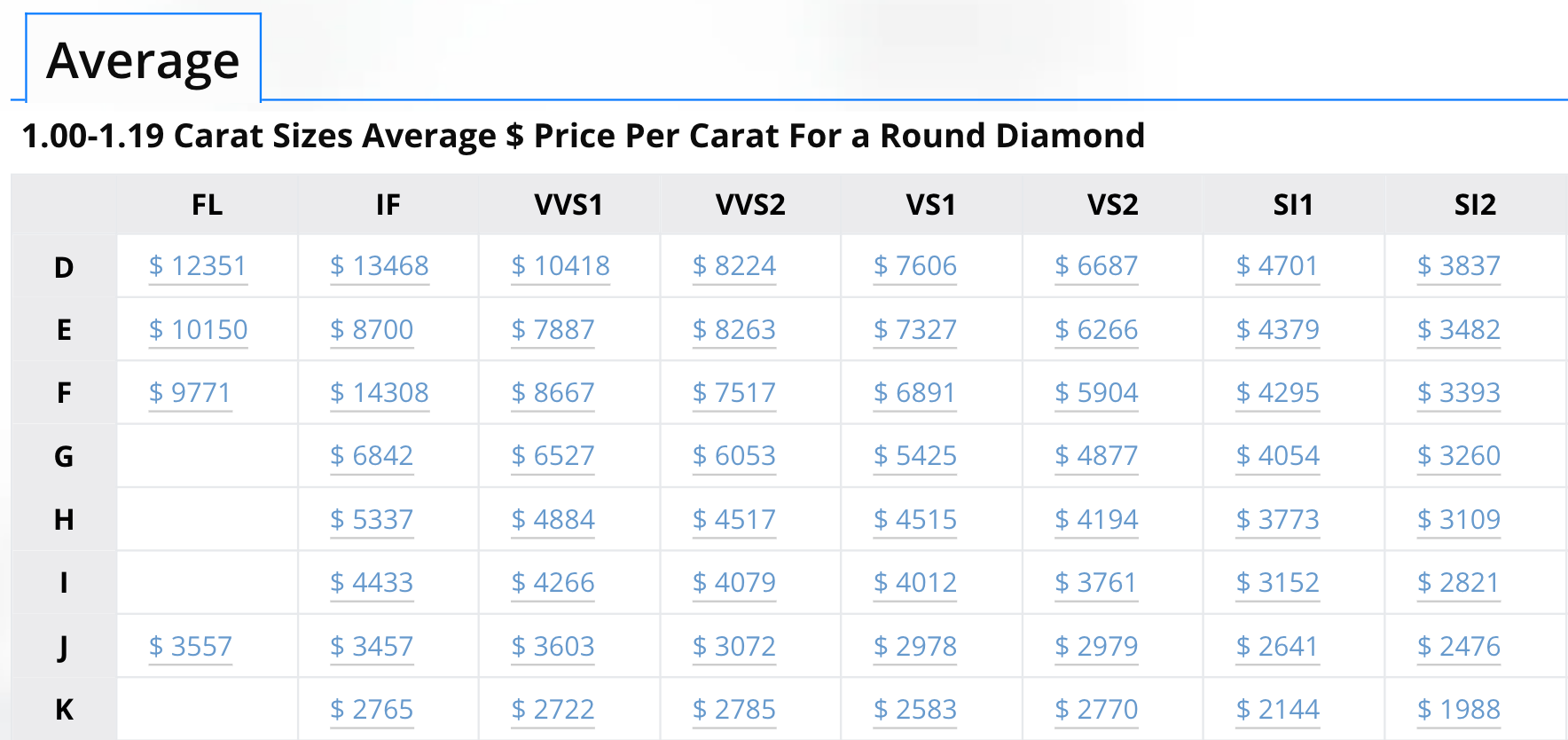
The price data for Q1 2026 clearly illustrates a bifurcated market. According to the Rapaport Group, the price trends across different carat weights show significant divergence.
The RapNet Diamond Index (RAPI™) for 1-carat diamonds fell by 1.7% in March, contributing to a 4.2% overall decline in the first quarter. Smaller diamonds faced even steeper declines. The 0.50-carat category was hit hardest in March, dropping by 3.5%, while 0.30-carat stones fell by 1.1%.
Year-Over-Year Context: Compared to March 2025, the declines are more stark. The 0.50-carat category is down a staggering 30.7% year-on-year, while 1-carat diamonds have fallen 13.2%.
However, the headline numbers mask a crucial reality: larger stones are proving resilient. The 3-carat index slipped only 0.5% in March. This trend is not isolated to a single month.
Over the past year, while smaller diamonds have fallen 10% to 25%, the market for the best quality, rarest diamonds remains robust. This is the "binary divergence" the market is experiencing a split where investment-grade stones act as hard assets while commercial goods face liquidity challenges.
Demand & Supply: The Squeeze on High-Quality Stones
If prices tell the story of softness, the demand-supply dynamics reveal the market's true strength. While smaller diamonds face headwinds, the demand for 2-carat and larger diamonds remains exceptionally strong.
This demand is met with increasingly tight supply. The reasons are geological, geopolitical, and strategic:
Depleting Mines & Rising Costs: The era of easily accessible diamonds is ending. The closure of the Argyle mine in 2020 was the first domino; by 2026, we are witnessing the production capacity of Canada’s Diavik mine enter its final phase. Operating costs for open-pit mines have risen by 45% over the past five years as miners are forced to dig deeper, driving up the marginal cost per carat.
Geopolitical Disruptions: Long-term sanctions on Russia's ALROSA, a major global producer, have caused an estimated 30% of global natural rough supply to be diverted from mainstream Western markets, creating a "Compliance Premium" for diamonds from non-conflict regions like Botswana and Canada, which can command a 15%-25% premium.
Strategic Supply Management: Producers are prioritizing market stability over volume. De Beers cut its 2026 production guidance to a range of 21 to 26 million carats, down from a previous 26 to 29 million.
Globally, natural diamond supply was estimated at just over 100 million carats in 2025, the lowest annual output since 1992, with a modest rebound to 105 million carats forecast for 2026. This is a significant drop from over 150 million carats just nine years ago. Milla Export holds both Natural diamonds and Lab-grown diamonds in bulk quantity than any company in Surat and exporting to 18+ International countries with CaratX
This supply crunch is most acute for larger, high-quality rough. Reports indicate that 5-carat and above rough diamonds remain in tight supply, with price increases observed at De Beers' March sight.
Industry Structure: Consolidation and Evolution
The pressures on the diamond market are reshaping its very structure. The number of jewelers in the United States, the world's largest market accounting for nearly 50% of global consumption, has contracted to 21,949, a 2.4% decrease year-over-year.
Jeweler Type Count
Retailers 16,667
Wholesalers 3,216
Manufacturers 2,066
The first quarter saw 133 businesses close, 20 consolidations, and 6 bankruptcies. However, the market is not merely shrinking; it is evolving. 87 new businesses opened, demonstrating that while the industry is consolidating, it is also creating space for new, agile entrants. This consolidation is a recognized trend.
First World Diamond Day:
In a strategic move to boost consumer engagement, the industry launched the inaugural World Diamond Day on April 8, 2026. The results were immediate and impressive.
The campaign, led by the Natural Diamond Council (NDC), reached over 30 million users globally and drove a 30% spike in global search demand for natural diamonds. Social media activity surged, with the hashtag #NaturalDiamonds seeing nearly double the traction within a 24-hour period.
This coordinated effort, spanning over 50 countries and involving over 330 industry voices, demonstrates a unified front to market the unique value of natural diamonds. The success of World Diamond Day underscores that effective storytelling and marketing can powerfully boost consumer interest in an era of abundant information.
Analysis: The Path Forward
The diamond market is not collapsing; it is correcting, consolidating, and redefining its value proposition. Several key takeaways define the path forward:
The Rise of the "80/20" Rule: It is predicted that 20% of diamonds will account for more than 80% of sales value in the future. The best-quality, rarest diamonds will become a luxury asset class for the affluent, while lab-grown diamonds will dominate the accessible fashion and gifting segments.
Natural Diamonds Hold Their Ground: Despite the rise of lab-grown diamonds, natural stones held over a 71% share of the global market in 2025. Consumer studies show that natural diamonds are strongly associated with authenticity, romance, and enduring value. For instance, 82% of female consumers in a Chow Tai Fook survey associated natural diamonds with true love or loyalty in a marriage proposal.
Sustainability as a Core Value: Consumers now rank sustainability on par with price and design when purchasing diamonds. The "Green Premium" associated with ethically and sustainably sourced natural diamonds is becoming a key differentiator, justifying higher prices.
The Bottom is in Sight: Industry analysts predict that prices for commercial-grade natural diamonds will bottom out around 2027. The combination of curtailed supply and resilient demand at the high end is expected to bring stability, though not necessarily immediate growth.
Your Gateway to the CaratX Marketplace -
As the diamond industry evolves, the need for a reliable, global, and efficient trading platform has never been greater. CaratX is at the forefront of this transformation, connecting sellers with buyers in over 18 international countries.
Ready to tap into the global market? Sellers can register on the CaratX marketplace here to start selling to B2B and B2C buyers. This is your direct route to a global buyer network.
Are you a jeweler looking to expand your reach? You can now sell your jewelry internationally to buyers through our CaratX seller plan. Break free from local market constraints.
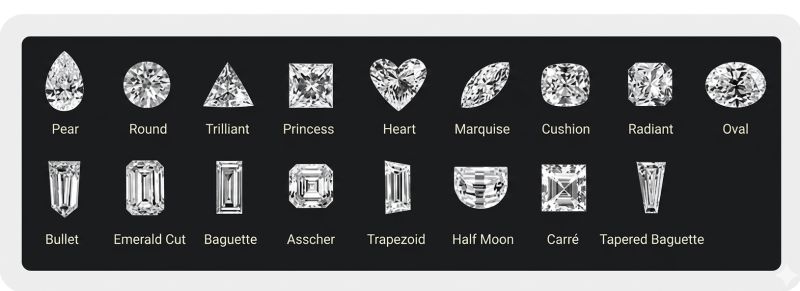
Looking for the best prices on natural diamonds? Shop natural diamonds from our extensive inventory. Whether you need a classic round or an elongated fancy shape, we have what you're looking for.
Interested in colored gemstones? Shop gemstones from our CaratX marketplace at unbeatable prices. Discover a world of sapphires, rubies, emeralds, and more.
Need more details about our selling plans? Check our pricing information here. Transparent plans to help you launch your products globally.
Explore our curated content: For deeper insights into specific market segments, read our analysis on the rise of elongated diamonds or the 2025 diamond market decoded.
Frequently Asked Questions (FAQs)
Q1: Are diamond prices still falling in 2026? A1: Yes, prices for smaller and commercial-grade diamonds continue to decline. However, the market is highly bifurcated. Prices for high-quality, large diamonds (2 carats and above) are holding firm or even increasing due to tight supply and strong demand.
Q2: Why are natural diamond prices under pressure? A2: The primary reasons include the rise of affordable lab-grown diamonds in the fashion market, economic uncertainty in some regions, and a post-pandemic correction from historically high prices. However, the long-term supply of natural diamonds is shrinking, which will eventually support prices.
Q3: Is it a good time to invest in diamonds? A3: Investment should focus on rare, high-quality stones (e.g., D-F color, IF-VVS clarity, 2+ carats). These "investment-grade" diamonds have seen resilient demand and limited supply. Commercial-grade stones are not typically considered good investments.
Q4: What is the Kimberley Process, and why is it important? A4: The Kimberley Process Certification Scheme (KPCS) is an international initiative to prevent "conflict diamonds" from entering the mainstream market. It requires that all rough diamond shipments be accompanied by a forgery-resistant certificate, ensuring they are from conflict-free sources.
Q5: How do lab-grown diamonds affect the natural diamond market? A5: Lab-grown diamonds have captured a significant portion of the lower-priced market, particularly for fashion jewelry and some engagement rings. However, they have also helped differentiate natural diamonds as a rare, luxury asset, reinforcing their value for significant life events and heirloom pieces.
Q6: What is the outlook for the diamond market for the rest of 2026? A6: The market is expected to remain challenging for smaller goods but stable for larger, high-quality stones. Producers are likely to continue managing supply to support prices. The success of marketing initiatives like World Diamond Day suggests that consumer interest in natural diamonds can be stimulated with the right messaging.
Follow CaratX for more insightful and educational content on the evolving world of diamonds and gemstones.