

💎The Global Diamond Market: A Deep Dive into Regional Trends, Challenges, and Opportunities
Home
News And Media 💎The Global Diamond Market: A Deep Dive into Regional Trends, Challenges, and Opportunities SHOP NOWHome
News And Media 💎The Global Diamond Market: A Deep Dive into Regional Trends, Challenges, and Opportunities SHOP NOWJan, 30, 2026 by Archit Mohanty 0 Comments
The global diamond industry is a complex, ever-evolving ecosystem where regional dynamics, economic policies, and consumer preferences intersect. Recent activity across major trading hubs reveals a market in flux characterized by resilience in some segments and softness in others.
In this comprehensive analysis, we explore the nuances of the diamond trade, from New York to Hong Kong, and examine how platforms like CaratX are revolutionizing access for buyers and sellers worldwide.
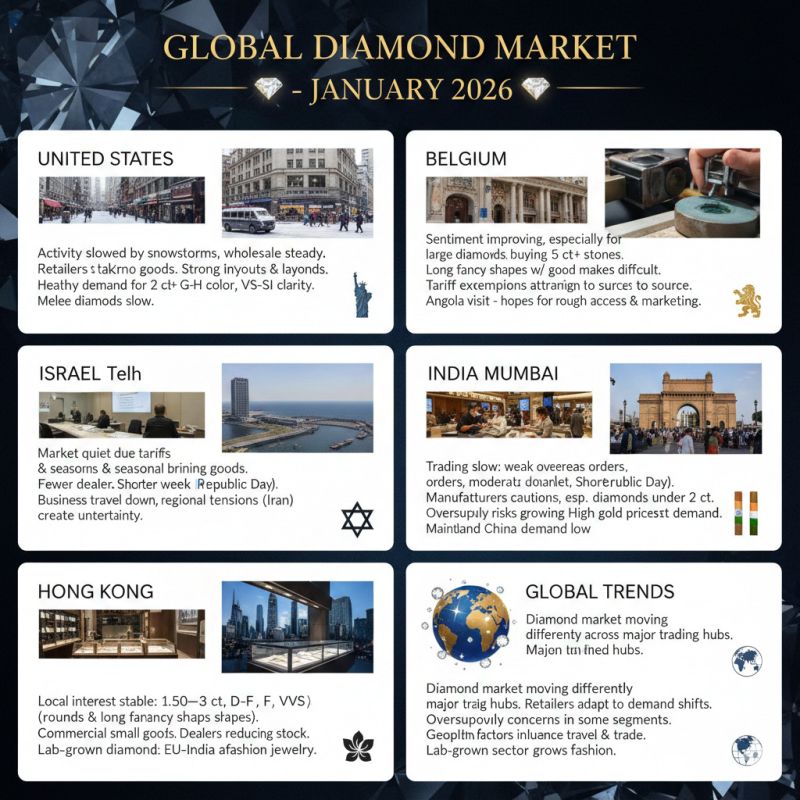
Despite snowstorms slowing activity in New York, the U.S. wholesale diamond market remains stable. Retailers are increasingly relying on memo goods a consignment model that minimizes upfront inventory risk.
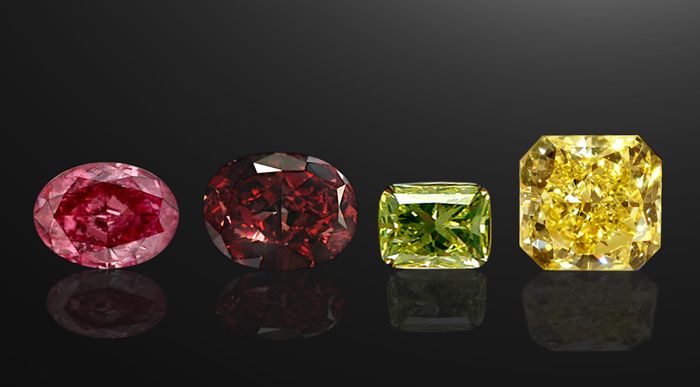
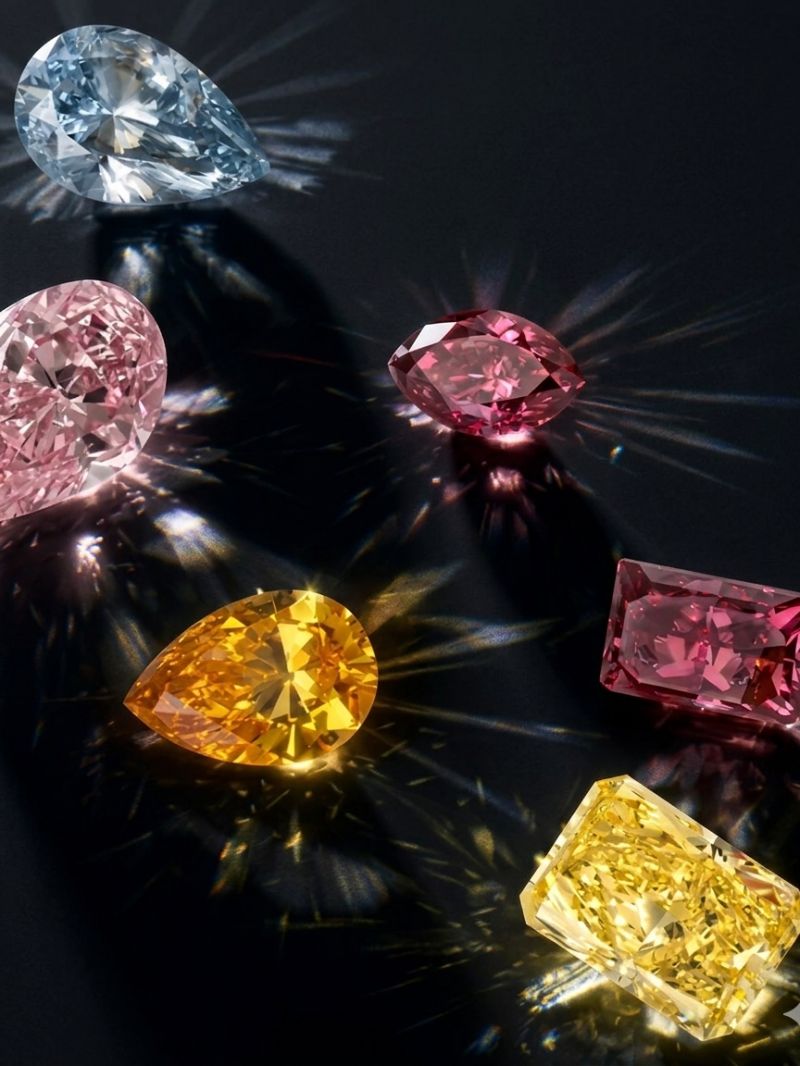
Demand is particularly robust for larger stones (2 carats and above) in the G–H color range and VS–SI clarity grades. Fancy-color diamonds and well-curated layouts are also in high demand, signaling sustained interest from luxury consumers.
However, the melee diamond market (small stones under 0.15 carats) continues to face headwinds. This segment’s slowdown contrasts with the strength in larger stones, highlighting a bifurcated market where quality and size command premiums.
For dealers looking to capitalize on U.S. demand, CaratX’s B2B marketplace offers a streamlined platform to list premium diamonds and connect with verified buyers.
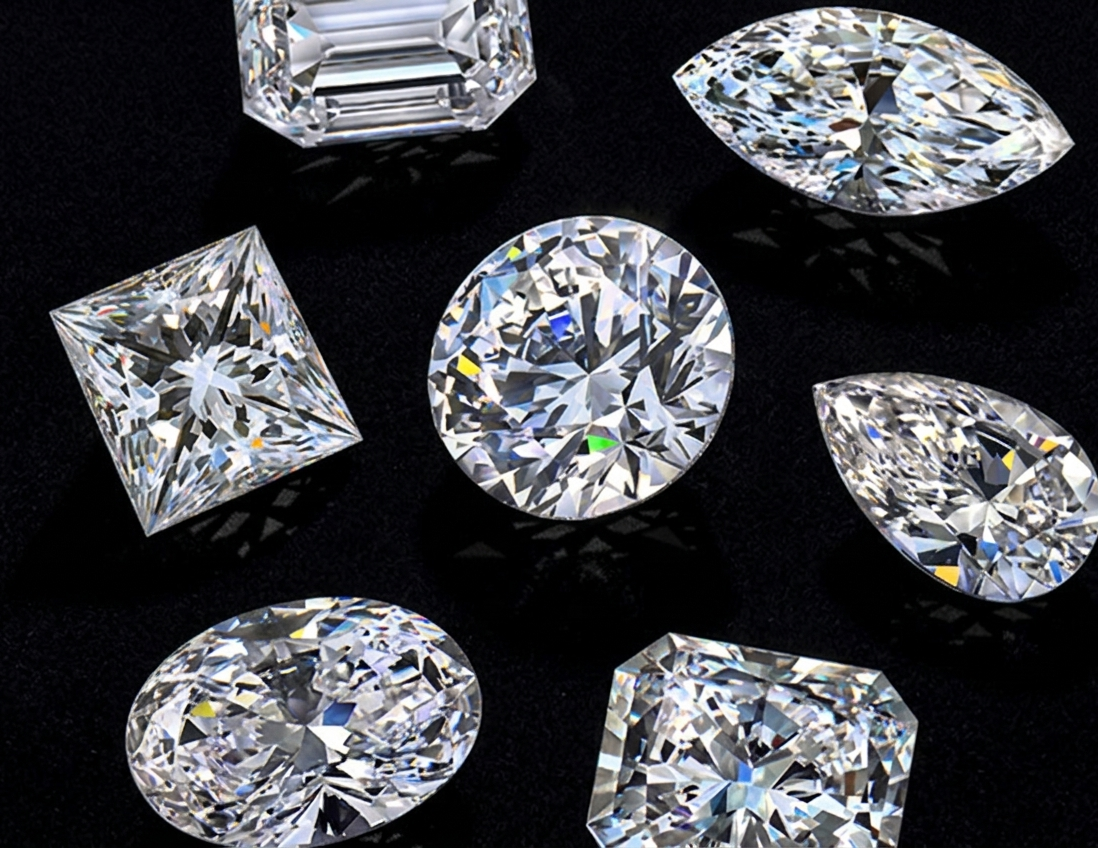
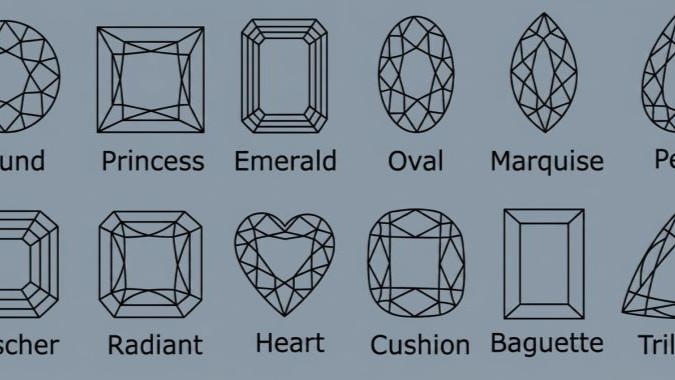
Antwerp’s diamond district is experiencing a sentiment boost, driven by luxury brands sourcing 5-carat+ diamonds for high-end collections. The shortage of long fancy shapes (like ovals, emeralds, and pears) in larger sizes with excellent makes is becoming pronounced, creating opportunities for holders of such inventory.
Policy tailwinds are also at play: tariff exemptions are attracting foreign buyers, and a recent government visit from Angola has sparked optimism for improved rough diamond access and enhanced natural-diamond marketing initiatives.
For traders seeking to leverage Belgium’s improving climate, CaratX’s international seller plan enables seamless cross-border transactions to 18+ countries.
Israel’s diamond market is subdued, influenced by tariff uncertainties and regional geopolitical tensions involving Iran. Fewer dealers are physically bringing goods into the country, and business travel has declined.
This caution underscores the need for diversified, digital trading channels that reduce dependency on physical hubs. Platforms like CaratX provide a secure alternative, allowing Israeli traders to maintain global reach without geographic constraints.
India’s diamond trading slowed due to weaker overseas orders, a moderate domestic market, and a shortened Republic Day week. Manufacturers are growing cautious, especially for diamonds under 2 carats, where demand is soft. An emerging risk is oversupply, as cutters increase purchases of De Beers rough following recent price reductions potentially flooding the market with polished goods.
On a positive note, the EU-India trade deal has improved overall sentiment, though high gold prices are diverting some consumer spending. For Indian manufacturers, managing inventory intelligently is critical.
CaratX’s marketplace allows sellers to list excess stock and reach international buyers efficiently, mitigating oversupply pressures.
Explore our curated selection of natural diamonds to see how we bridge global demand with supply.
Hong Kong’s market shows stable local interest in 1.50–3 carat, D–F color, VVS clarity diamonds, both in rounds and long fancy shapes. However, commercial small goods are moving slowly, prompting dealers to reduce stock levels for flexibility.
A significant trend is the continued rise of lab-grown diamonds in the fashion jewelry sector, though mainland China’s demand for natural diamonds remains tepid. For dealers in Asia, adapting to shifting preferences is key.
CaratX supports this by offering both natural and lab-grown categories, ensuring sellers can cater to diverse market needs. Check out our gemstone collection for competitively priced alternatives.
The overarching theme is a mixed but steady market, where high-quality, larger stones outperform smaller, commercial-grade goods. This divergence underscores the importance of targeted sourcing and marketing. For B2B and B2C sellers, aligning inventory with these trends is essential for profitability.
In a fragmented global market, digital platforms are no longer optional, they’re imperative. CaratX stands out by offering:
Global Reach: Sell to buyers in 18+ countries through a unified dashboard.
Inventory Flexibility: List diamonds, gemstones, and jewelry with dynamic pricing.
Market Insights: Access real-time trends to inform purchasing and sales strategies.
Sellers can register on CaratX to start tapping into this network immediately. Whether you’re a manufacturer in India, a trader in Belgium, or a retailer in the U.S., CaratX streamlines cross-border trade.
For buyers, CaratX offers an unbeatable selection of natural diamonds, gemstones, and jewelry, all sourced directly from trusted suppliers.
To deepen your understanding of diamond market dynamics, consider these authoritative sources:
The Gemological Institute of America (GIA) provides foundational knowledge on diamond grading and origins.
The World Diamond Council offers updates on regulatory and ethical trade practices.
Academic research from institutions like the University of California, Berkeley explores commodity markets and global trade patterns.
Q1: Why are larger diamonds (2+ carats) in demand while melee stones are slow? A: Larger diamonds are often purchased for investment and luxury occasions, markets that remain resilient. Melee stones, used in mass-market jewelry, are more sensitive to economic downturns and competition from lab-grown alternatives.
Q2: How can tariffs impact diamond trading in hubs like Israel? A: Tariffs increase costs and complexity, discouraging physical movement of goods. Digital B2B platforms like CaratX help mitigate these barriers by facilitating direct international transactions.
Q3: What does “oversupply risk” mean for Indian manufacturers? A: Increased rough diamond purchases, if not matched by demand, can lead to excess polished inventory, pressuring prices. Agile sales channels are crucial to liquidate stock efficiently.
Q4: How is lab-grown diamond growth affecting natural diamond markets? A: Lab-grown diamonds are gaining share in fashion jewelry due to lower prices, but natural diamonds retain dominance in fine jewelry and investment segments. Diversified platforms like CaratX cater to both categories.
Q5: Why are fancy shapes in large sizes becoming scarce? A: Cutting large, well-made fancy shapes requires high-quality rough and expert craftsmanship, which are limited. This scarcity drives premiums for such stones.
Global Diamond Market Report, Gemological Institute of America (GIA), 2023.
International Trade and Tariff Policies, World Diamond Council.
Market analysis sourced from industry reports and CaratX internal data.
Ready to expand your diamond business globally? Sellers, register on CaratX today to start selling to 18+ international markets.
Buyers, explore our curated inventory of natural diamonds, gemstones, and jewelry. For detailed pricing and launch information, visit our product launch page.
CaratX, Bridging Markets, Empowering Traders.
May, 26, 2026
Aug, 06, 2022
Aug, 06, 2022
0 Comments
Please login to leave a reply.