
The Guide to Colored Diamonds: Rarity, Value, and Investment Potential of Every Hue
Home
News And Media The Guide to Colored Diamonds: Rarity, Value, and Investment Potential of Every Hue SHOP NOWHome
News And Media The Guide to Colored Diamonds: Rarity, Value, and Investment Potential of Every Hue SHOP NOWApr, 21, 2026 by Archit Mohanty 0 Comments
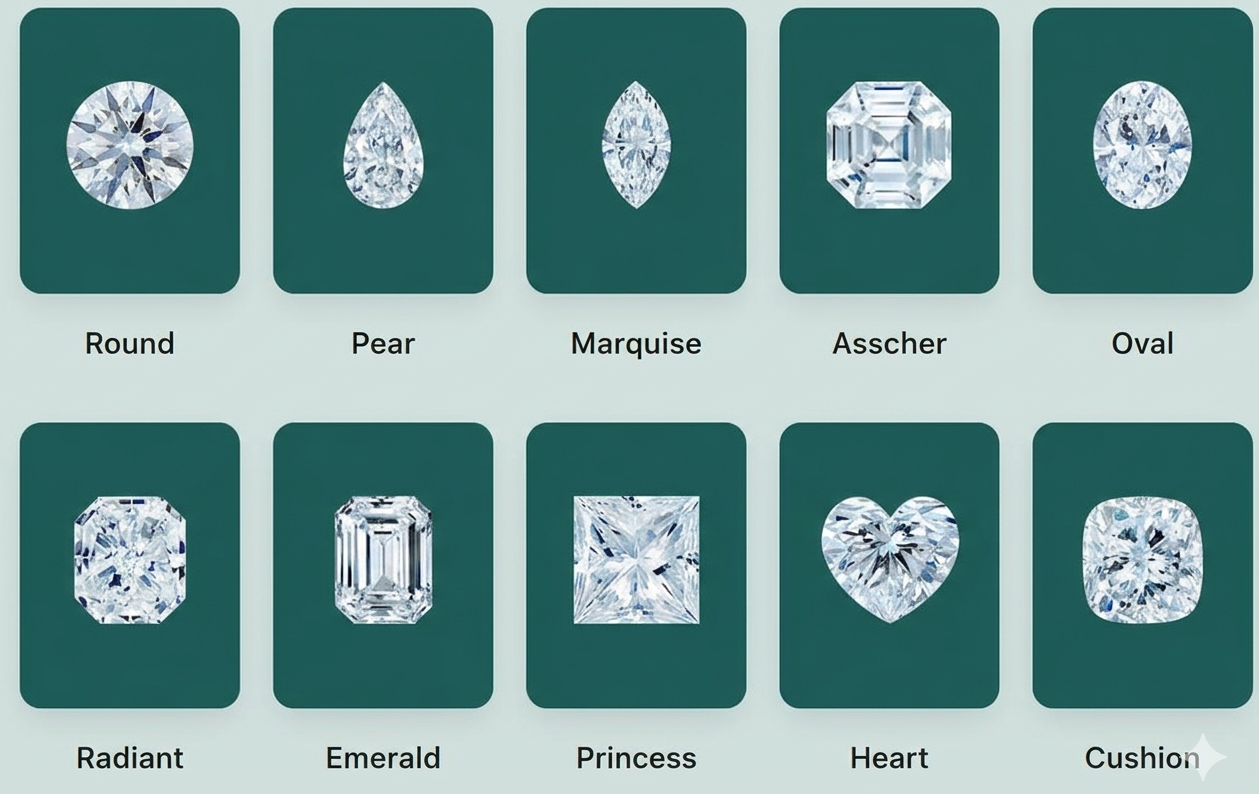
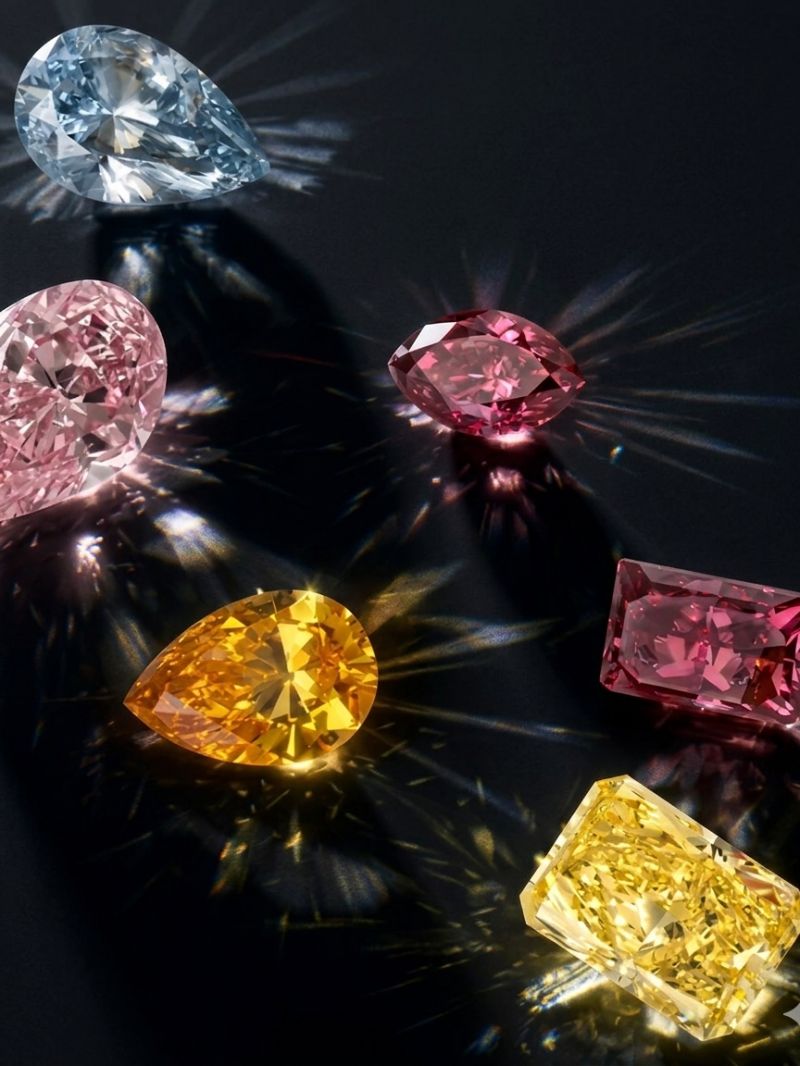
In the hierarchy of precious gemstones, fancy colored diamonds reign supreme. They are Earth's rarest geological treasures pieces of crystallized carbon transformed into vibrant masterpieces by unique chemical and physical conditions. Unlike the classic icy brilliance of a colorless diamond, these stones capture the entire spectrum of nature, and with that color comes a staggering price tag.
With fancy color diamonds representing less than 0.1% of all diamonds mined, understanding their rarity, market dynamics, and grading is essential for collectors and investors. This guide explores every major color, its formation, market value, and what makes it a worthwhile investment. We also examine how platforms like CaratX are democratizing access to these exclusive gems.
For fancy colored diamonds, value is determined almost entirely by color. The Gemological Institute of America (GIA) evaluates these gems based on three specific attributes: Hue (the dominant color), Tone (the lightness or darkness), and Saturation (the color's strength).
Diamonds are graded on a scale from "Faint" to the pinnacle, Fancy Vivid the most saturated and valuable. While the D-to-Z scale measures the absence of color in white diamonds, fancy color diamonds are prized for the presence and intensity of their hue. According to the GIA, only one in 10,000 carats of fashioned diamonds displays fancy color, and the chances of finding an intense color drop to one in 25,000. Milla Exports is one of the Largest Lab grown diamond manufacturers in surat.
Rarity: Most common fancy color (60–70% of market).
Formation: Caused by nitrogen impurities absorbing blue light.
Market Value: More affordable entry point for collectors, though "Canary" vivids command higher premiums.
Market Data: Fancy yellow diamonds have seen nearly a 50% increase in value since 2005. They are often viewed as a stable investment due to high liquidity.
Explore Fancy Yellow Diamonds on CaratX
Rarity: Less than 1% of global diamond supply.
Formation: Caused by plastic deformation (structural distortion) of the crystal lattice, not trace elements.
Market Value: Prices have surged 3x–5x in the last decade and 394% since 2005.
The closure of the Argyle mine in Australia which produced 90% of the world's pink diamonds has sent shockwaves through the market. Argyle diamonds now fetch record-breaking sums; a 1.56ct Argyle red sold for $2.7 million per carat in 2024.
Rarity: One of the rarest hues.
Formation: Boron atoms substituting for carbon (Type IIb).
Market Value: Consistently break records, often exceeding $1M+ per carat.
The famous Hope Diamond (housed at the Smithsonian) remains the benchmark for blue diamonds. Modern auctions continue to shatter expectations. In 2025, the "Mellon Blue" a 9.51-carat Fancy Vivid Blue diamond sold for $25.6 million at Christie's, becoming the highest jewelry lot of the year.
Rarity: Extremely limited supply; mostly small sizes.
Formation: Natural radiation exposure displacing carbon atoms.
Market Value: High value for "pure" greens, though often pale.
Green diamonds are unique because the color is often confined to the surface. The GIA notes that due to the risk of artificial treatment, green diamonds are always examined with extreme suspicion in laboratories.
Rarity: Most abundant fancy color.
Formation: Internal structural changes (plastic deformation).
Market Value: Affordable luxury, often 1/10th the price of pinks.
Once relegated to industrial use, brown diamonds were rebranded as "Champagne" and "Cognac" in the 1980s, creating a massive market for fashionable jewelry at accessible prices.
Rarity: The absolute rarest. From 1957 to 1987, GIA did not issue a single report for a diamond with "red" as the only descriptive term.
Market Value: Untouchable. The 5.11-carat Moussaieff Red is one of the most expensive gems per carat in history.
Discover the Most Rare Diamond Colors
These are the "unicorns" of the diamond world. Pure orange diamonds (without brown modifiers) and purple diamonds are so rare that they are almost exclusively found at high-profile auctions. Their scarcity makes them highly collectible.
Black: Opaque, full of graphite inclusions. Popular in modern men's jewelry.
Fancy White: Milky and translucent, offering a unique alternative to traditional stones.
When buying for investment, color intensity is king. The Fancy Color Research Foundation reported that overall fancy color prices have skyrocketed 205% since 2005, outpacing many traditional assets. Here is what to look for:
Color Saturation: Fancy Vivid is worth 2x to 10x more than Fancy Light.
Carat Weight: Size amplifies rarity exponentially. Large blues and pinks (2ct+) are the safest stores of value.
Origin: Argyle provenance adds a 20-30% premium to pinks.
Certification: Always require a GIA report verifying natural color origin.
Read the Comprehensive 2025 Market Analysis on CaratX
Navigating the international colored diamond market requires trust, transparency, and global reach. CaratX is the exclusive diamond and gemstone hub connecting B2B sellers to buyers in over 18 international countries.
For Buyers: Access a curated inventory of natural colored diamonds and gemstones at unbeatable wholesale prices.
For Sellers: Register to expand your business globally, list your inventory, and leverage our e-commerce infrastructure.
Start Selling Today: Register on CaratX Marketplace
Shop Natural Diamonds: Visit CaratX Shop
Pricing Plans: View Seller Pricing Details
Q: Are colored diamonds a good investment? A: Yes. High-quality Fancy Vivid diamonds have shown a 5.7% compound annual growth rate (CAGR) since 2005, offering stability and appreciation during market volatility.
Q: Are lab-grown colored diamonds worth the same? A: No. While chemically identical, lab-grown diamonds lack the rarity of natural stones and do not retain resale value in the same way. Natural color origin is essential for investment.
Q: Which color is most expensive? A: Red is the most expensive, followed by Blue and Pink. Pure Orange and Purple are also exceptionally high-value due to extreme scarcity.
Q: Does clarity matter in colored diamonds? A: Less than in white diamonds. In fancy colors, clarity is secondary; a stone with a beautiful "Fancy Vivid" color can command high prices even with lower clarity grades.
Q: How do I verify if a colored diamond is natural? A: Always require a GIA (Gemological Institute of America) Colored Diamond Grading Report. GIA is the industry standard for verifying the origin of color.
May, 26, 2026
Aug, 06, 2022
Aug, 06, 2022
0 Comments
Please login to leave a reply.