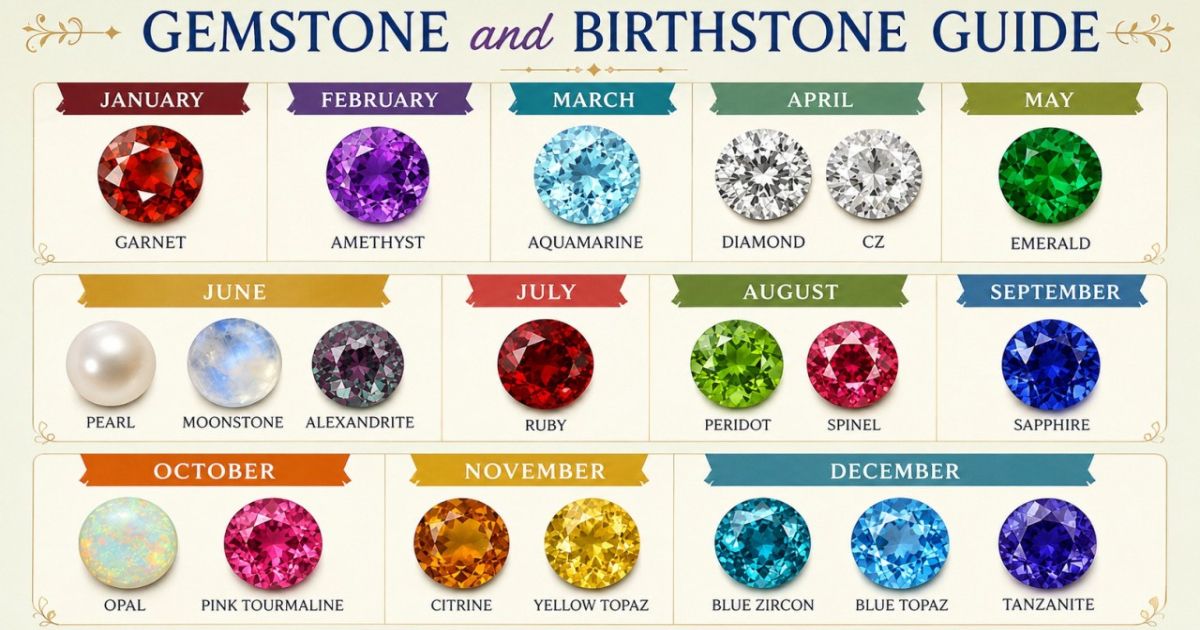

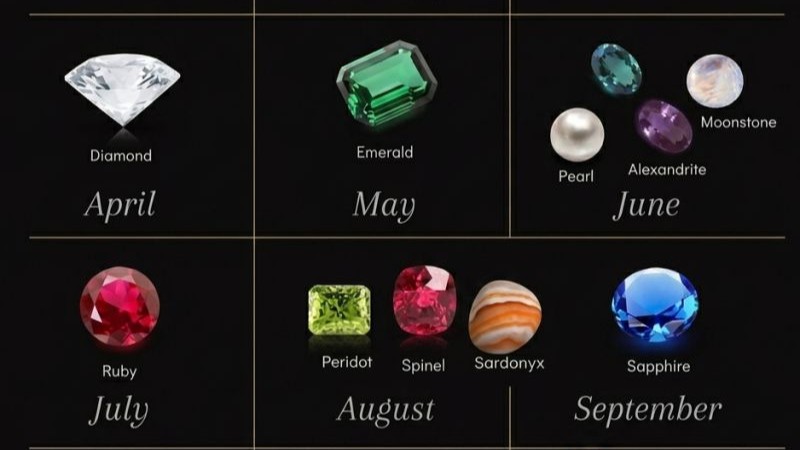
Birthstones are more than just gemstones, they connect us to a specific month, weaving personal identity with timeless geological wonder. From the deep red of January's garnet to the mesmerizing blue-green of December's tanzanite, each birthstone carries a unique history, symbolic meaning, and distinct color palette.
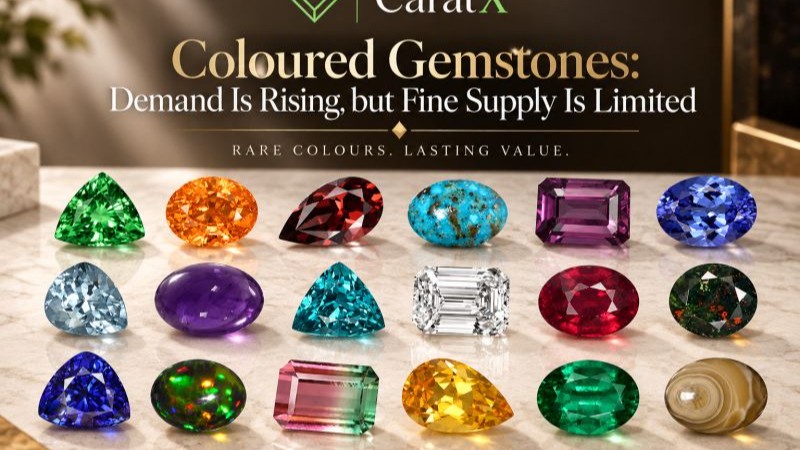
In today's rapidly evolving jewelry landscape, colored gemstones are experiencing a remarkable resurgence, driven by consumers seeking personalized, meaningful, and investment-worthy pieces.
In this guide, we will explore the complete list of birthstones by month, delve into their scientific properties and cultural symbolism, analyze the latest market trends, and provide actionable insights for buyers, sellers, and enthusiasts. Whether you are shopping for a personal keepsake or expanding your inventory, this article is your resource.
The Ancient Origins of Birthstones -
The tradition of associating gemstones with birth periods dates back thousands of years. Most scholars trace the concept to the Breastplate of Aaron, a ceremonial religious garment described in the Book of Exodus that featured twelve distinct gemstones, each representing one of the twelve tribes of Israel. Early Christians later linked these twelve stones to the twelve apostles and the twelve foundation stones of the New Jerusalem.
The modern, commercially adopted list of birthstones was largely standardized in 1912 by the National Association of Jewelers (now Jewelers of America) and later updated by the American Gem Trade Association to include stones like tanzanite in 2002.
Birthstones by Month:
January – Garnet
Color: Deep red to vibrant crimson
Meaning: Protection, strength, enduring friendship.
Symbolism: A grounding stone believed to energize the root chakra, regulate blood flow, and bring good luck to those born in January.
Science: Garnet is a group of nesosilicate minerals with varieties such as pyrope, almandine, and demantoid. It ranks 6.5–7.5 on the Mohs hardness scale, making it durable for everyday jewelry.
Market Insight: Demantoid garnet sales have seen a 40% year-over-year growth, particularly in Jaipur's gemstone hubs.
February – Amethyst
Color: Pale lilac to deep violet.
Meaning: Calmness, clarity, spiritual awareness.
Symbolism: Known as the "stone of protection," amethyst is said to calm the mind, relieve stress, promote restful sleep, and boost intuition.
Science: A purple variety of quartz (SiO₂) colored by iron impurities and natural irradiation. Hardness 7, suitable for daily wear but should be stored away from harder gems like diamonds.
Market Trend: Amethyst remains the most accessible purple gemstone, offering excellent durability for mass-market and designer jewelry.
March – Aquamarine
Color: Light sky blue to deep oceanic blue-green
Meaning: Peace, youth, health, hope, mental clarity
Symbolism: Roman fishermen carried aquamarine as a protective charm for sea voyages. Today, it symbolizes trust, truth, and tranquility.
Science: A blue variety of beryl (Be₃Al₂Si₆O₁₈) colored by trace amounts of iron. Hardness 7.5–8.
Market Note: Paraiba-like aquamarines have seen price increases of up to 300% since 2020, driven by demand as "blue jade" substitutes among younger collectors.
April – Diamond
Color: Colorless (white) to fancy yellow, blue, pink, etc.
Meaning: Love, durability, endurance, eternal commitment
Symbolism: Diamonds are universally recognized as symbols of unbreakable love and resilience. The earliest recorded diamond engagement ring dates to 1477.
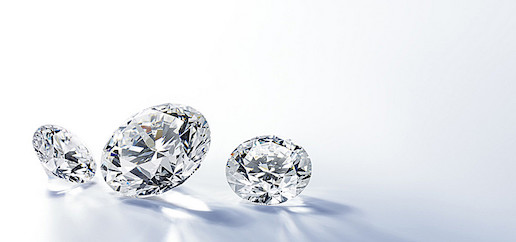
Science: Pure carbon crystallized under extreme pressure; the hardest natural material (Mohs 10). The round brilliant cut alone accounts for over 70% of all diamonds sold globally.
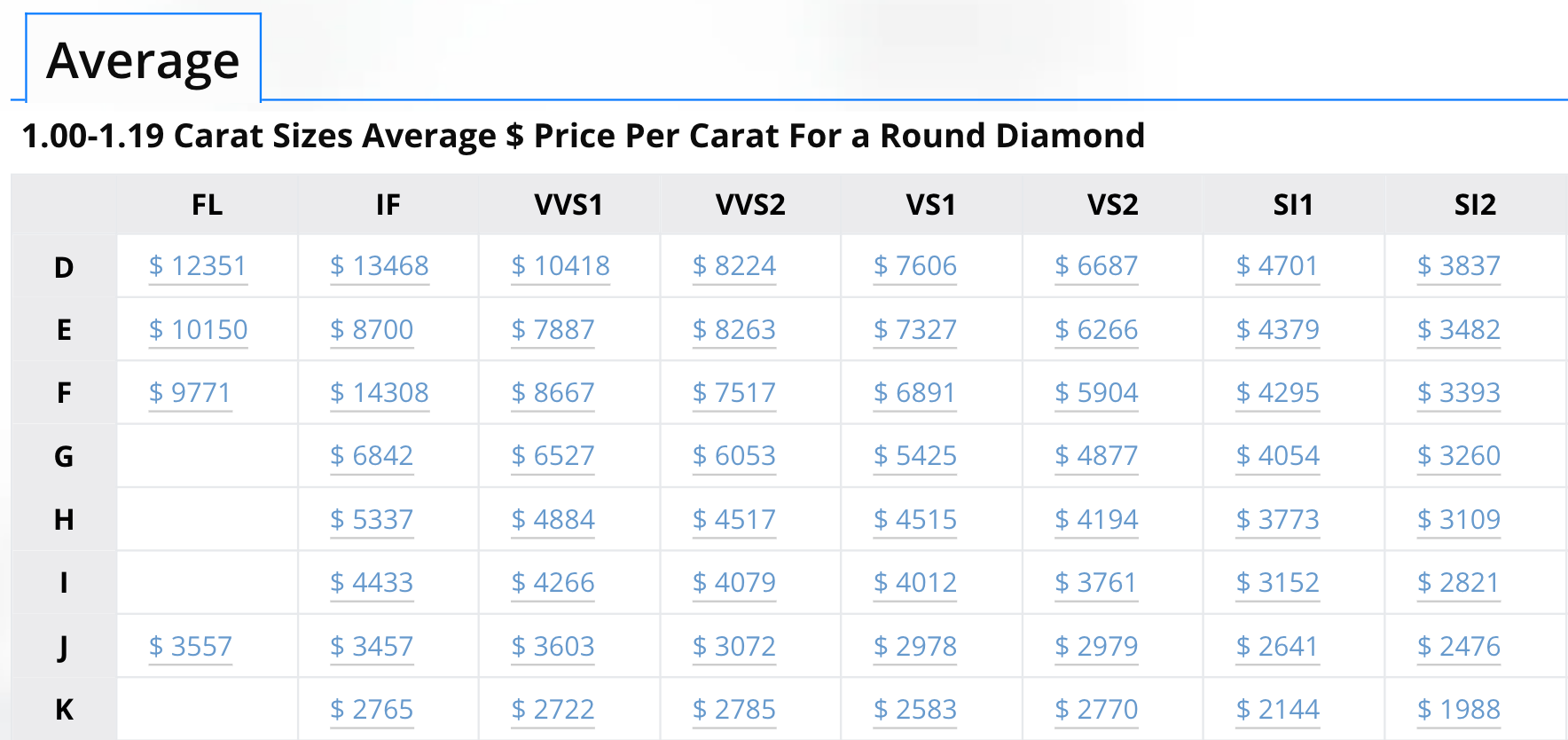
Market Value: Diamond jewelry accounts for over 70% of global jewelry sales by value. High-quality natural diamonds (1ct+, D–F color, FL–VS clarity) have a long history of value retention, while lab-grown diamonds are consumer products with depreciating resale value.
May – Emerald
Color: Rich, lush green
Meaning: Growth, renewal, luxury, joy
Symbolism: Cleopatra was famously obsessed with emeralds. For over 4,000 years, they have evoked rebirth and spring.
Science: A green variety of beryl colored by chromium and/or vanadium. Hardness 7.5–8 but often contains characteristic inclusions called jardin (French for garden).
Rarity: Colombian mines yield only 0.3% gem-quality stones from 10,000 tons of ore.
June – Pearl / Alexandrite
Pearl Color: Classic white, cream, pink, gold, black
Pearl Meaning: Purity, elegance, organic beauty
Alexandrite Color: Changes from green in daylight to purplish-red under incandescent light
Alexandrite Meaning: Rarity, magic, transformation
Science: Pearls are organic gems formed within living mollusks. Alexandrite is a color-change variety of chrysoberyl (BeAl₂O₄) discovered in Russia's Ural Mountains in 1830.
Rarity: Alexandrites over 2 carats are considered large, and those over 5 carats are extremely rare.
July – Ruby
Color: Bright red to purplish-red ("pigeon's blood")
Meaning: Passion, love, vitality, prosperity
Symbolism: Ruby can command the highest per-carat price of any colored gemstone. High-quality rubies often exceed the per-carat price of diamonds.
Science: Red variety of corundum (Al₂O₃) colored by chromium. Hardness 9, second only to diamond.
Market Value: A fine-quality, unheated Burmese "Pigeon's Blood" ruby can exceed $100,000 per carat at auction, with record stones reaching over $1 million per carat.
August – Peridot
Color: Fresh yellow-green to olive green.
Meaning: Strength, uniqueness, affordability.
Symbolism: Known as the "gem of the sun," peridot is believed to bring good fortune and ward off evil.
Science: A magnesium-iron silicate (Mg₂SiO₄) that forms deep within the Earth's mantle and is brought to the surface by volcanic activity. Hardness 6.5–7.
Market Note: Peridot prices have shown 4–5% growth in recent quarters, driven by its affordability and unique fresh green hue.
September – Sapphire
Color: Mostly blue, but occurs in every color except red (red corundum is ruby)
Meaning: Wisdom, loyalty, nobility, trust.
Symbolism: One of the top gemstones for engagement rings, sapphire symbolizes enduring fidelity and celestial beauty.
Science: A variety of corundum (Al₂O₃) with blue color from titanium and iron impurities. Hardness 9.
Market Insight: Blue gemstones account for 34% of all colored gemstone sales; green sapphires represent 33%.
October – Opal / Tourmaline
Opal Color: Multi-color "play-of-color" (rainbow flashes)
Tourmaline Color: Wide spectrum including pink, green, blue, yellow, and black.
Meaning: Creativity, hope, individuality, rainbow energy.
Science: Opal's play-of-color is caused by the diffraction of light through sub-microscopic silica spheres arranged in a grid-like pattern. Tourmaline is a complex group of borosilicate minerals occurring in every hue imaginable.
Rarity: Only 1 in 10,000 tourmalines exhibits the neon "electric blue" hue of Paraíba tourmaline, which has seen 8–10% price growth.
November – Topaz / Citrine
Color: Warm yellow to golden orange, sherry, pink (imperial topaz).
Meaning: Strength, wisdom, wealth, success.
Symbolism: Citrine is known as the "merchant's stone" for its alleged ability to attract wealth and prosperity.
Science: Topaz is an aluminum fluorosilicate (Al₂SiO₄(F,OH)₂) with hardness 8. Citrine is a yellow variety of quartz colored by iron.
Market: Both stones are popular in everyday jewelry due to their durability and affordability.
December – Turquoise / Tanzanite / Zircon
Color: Blue, blue-green, robin's egg blue
Meaning: Protection, good fortune, unique rarity
Turquoise: One of the oldest known gemstones, mined for over 6,000 years.
Tanzanite: A blue-to-violet variety of zoisite discovered in 1967 in the Merelani Hills of northern Tanzania the only known source of gem-quality tanzanite on Earth.
Zircon: A natural gemstone, some crystals dating back 4.4 billion years, making them the oldest known minerals on Earth.
Market Trends: The Rise of Colored Gemstones & Personalized Jewelry
Colored Gemstones Are Gaining Market Share -
The colored gemstone market is experiencing a dramatic renaissance. According to the American Gem Trade Association (AGTA), U.S. imports of colored gemstones skyrocketed 136% from 2020 to 2024, climbing from $1.037 billion to $2.444 billion.
In stark contrast, diamond imports, after a brief COVID-era bump, plummeted 54% by 2024. The global colored gemstone industry is currently estimated at $10–12 billion annually.
The shift is particularly evident in the bridal segment. A decade ago, only about 5% of engagement rings featured colored gemstones. Today, that figure exceeds 15%, with over 20% of consumers stating they would upgrade to a colored gemstone engagement ring if given the choice. Blue and green sapphires dominate, together accounting for 67% of colored gemstone sales, while rubies and tourmalines drive the red category.
However, the market shows a clear bifurcation: prices for standard colored stones have softened, while the value of top-tier "investment stones" continues to climb, reflecting a flight to quality among discerning collectors.
Natural vs. Lab-Grown Diamonds:
The diamond market is undergoing seismic disruption. Natural diamond imports fell 54% by 2024, and polished diamond prices have dropped 15–20% due to decreased demand from China and the rise of lab-grown diamonds, which have captured a significant portion of the U.S. market. China's diamond market contracted sharply from RMB 100 billion in 2021 to RMB 43 billion in 2024, a 57% decline.
Natural diamonds, particularly high-quality certified stones (1ct+, D–F color, FL–VS clarity), have a long history of value retention and can serve as heirloom assets. In contrast, lab-grown diamonds have no resale value and depreciate rapidly, functioning as consumer fashion products rather than investment vehicles.
Personalized jewelry is one of the fastest-growing segments in the industry. The personalized jewelry market is expected to exceed $84 billion by 2031, driven by consumers' desire to tell their unique stories through custom designs, family birthstones, and engraved motifs. In China, searches for "jewelry customization" grew 240% year-over-year, with consumers aged 18–30 accounting for 67% of that interest.
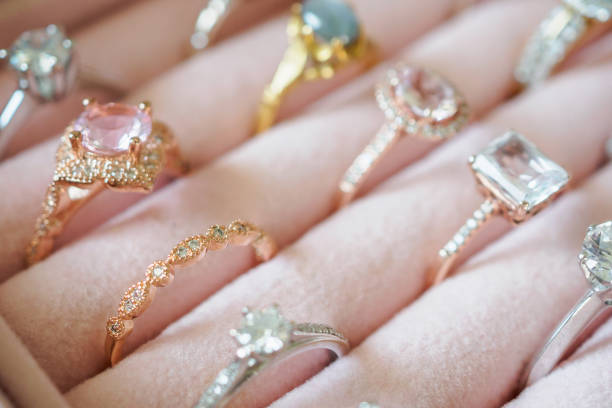
Birthstone jewelry is at the heart of this trend, as stackable rings featuring individual stones for family members and custom birthstone pendants allow wearers to carry deeply personal narratives.
Why Choose CaratX for Your Birthstone & Diamond Needs -
CaratX is the premier global B2B and B2C marketplace connecting buyers and sellers of diamonds, gemstones, jewelry, and pearls. Whether you are a retailer, wholesaler, or individual consumer, CaratX offers:
Unbeatable Wholesale Prices: Access natural diamonds and colored gemstones directly from verified sellers.
Global Reach: Sell to buyers in 18+ international countries.
Verified Authenticity: Every stone is sourced from reputable suppliers with transparent documentation.
Shop gemstones from our CaratX marketplace at unbeatable prices →
Shop natural diamonds from here →
Sellers: Register to start selling to 18+ countries now →
More details about our Pricing, check here →
Frequently Asked Questions (FAQs)
1. Which month has the most valuable birthstone?
April's diamond generally commands the highest absolute prices, but July's ruby can exceed diamond's per-carat price for fine-quality stones, and June's alexandrite is among the rarest and most expensive per carat.
2. Are birthstones scientifically proven to have healing properties?
No. While ancient cultures attributed supernatural powers to gemstones, modern science does not support claims of metaphysical healing. The value of birthstones lies in their beauty, symbolism, and personal meaning.
3. What is the rarest birthstone?
Alexandrite (June) is widely considered the rarest birthstone, especially in sizes over 2 carats. Tanzanite (December) is also exceptionally rare as it is found in only one location on Earth.
4. Can I wear a birthstone that is not my own?
Absolutely. Many people wear birthstones of loved ones (children, spouses, parents) as a form of personal tribute, or simply choose gemstones they find aesthetically pleasing.
5. How do I care for my birthstone jewelry?
Hardness 7 or less (opal, pearl, amethyst, peridot): Clean with warm soapy water and a soft cloth. Avoid ultrasonic cleaners.
Hardness 8–10 (topaz, sapphire, ruby, diamond): Can withstand ultrasonic cleaning, but always check for fractures first.
Store each piece separately to avoid scratching.
6. Are lab-grown diamonds real diamonds?
Yes, lab-grown diamonds are chemically, physically, and optically identical to natural diamonds. However, they have negligible resale value and are best viewed as fashion purchases rather than investments.
7. Which birthstone is best for an engagement ring?
Sapphire (September) and diamond (April) are the most durable (hardness 9 and 10, respectively), making them ideal for daily wear. Ruby (July) and emerald (May) are also durable but require more careful maintenance.
Stay ahead of market trends, gemstone discoveries, and jewelry industry insights by following CaratX on social media and subscribing to our newsletter. Whether you are a buyer seeking the perfect birthstone gift or a seller looking to expand internationally, CaratX is your trusted partner in the world of diamonds and gemstones.
Start selling to diamonds in 18+ international countries → www.caratx.com/register
Sellers register on CaratX marketplace here to start selling to B2B and B2C buyers → www.caratx.com/register
You can now sell jewelry internationally to buyers through our CaratX seller plan → www.caratx.com/register
Shop gemstones from our CaratX marketplace at unbeatable prices → https://caratx.com/search-results/gemstones
Shop natural diamonds from here → https://caratx.com/search-results/Natural
More details about our pricing, check here → https://caratx.com/generic-pages/launch-your-products-on-caratx