

The Guide to Fancy Colored Diamonds: Nature’s Most Rare and Vibrant Gems
Home
News And Media The Guide to Fancy Colored Diamonds: Nature’s Most Rare and Vibrant Gems SHOP NOWHome
News And Media The Guide to Fancy Colored Diamonds: Nature’s Most Rare and Vibrant Gems SHOP NOWMar, 17, 2026 by Archit Mohanty 0 Comments
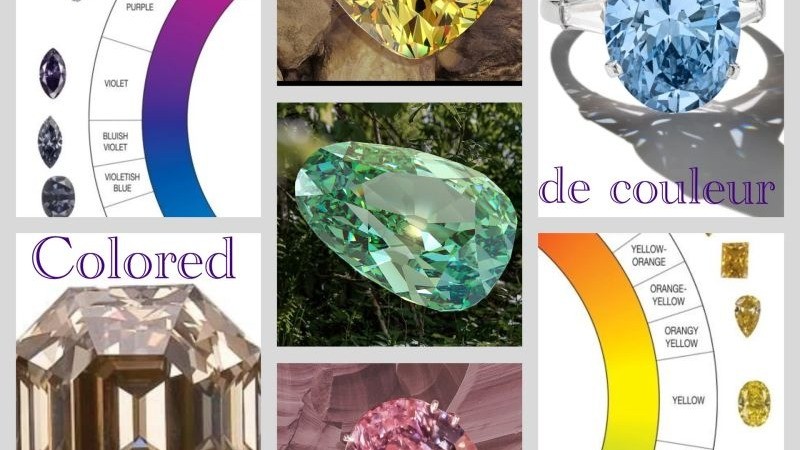
When we think of diamonds, the classic image that comes to mind is a brilliant, colorless stone. However, deep within the Earth’s mantle, under extreme conditions, nature occasionally creates something far more extraordinary: Fancy Color Diamonds.
These gems are not just alternatives to white diamonds; they are some of the rarest and most valuable geological marvels on the planet.
At CaratX , we connect global buyers and sellers with these natural wonders. Whether you are looking to invest in a rare pink diamond or expand your jewelry inventory, understanding the science and rarity behind these gems is essential. Let’s dive deep into the vibrant world of colored diamonds.
Contrary to popular belief, diamonds come in every color of the rainbow. The Gemological Institute of America (GIA), the world’s foremost authority on gemology, classifies diamonds with strong, distinct colors as "Fancy" diamonds. Unlike white diamonds, which are graded on the absence of color (from D to Z), Fancy Color Diamonds are graded on the intensity of their hue.
According to the GIA, less than 0.1% of all diamonds mined globally qualify as Fancy Color Diamonds. This extreme scarcity is what drives their value and mystique.
The formation of colored diamonds is a complex chemical and physical process that occurs over billions of years.
Here is how different natural elements influence diamond colors:
Yellow Diamonds (Canary): The presence of Nitrogen atoms absorbs blue light, causing the stone to reflect a yellow hue. These are the most common fancy colors, though intense "Fancy Vivid" yellows are still exceptionally rare.
Blue Diamonds: The element Boron is the cause of the mesmerizing blue color. Boron absorbs red, yellow, and green light, leaving only the blue spectrum to escape. The famous Hope Diamond is a prime example of this.
Pink and Red Diamonds: Unlike yellow or blue diamonds, pink and red diamonds get their color from a phenomenon called graining. This is a distortion in the crystal lattice structure caused by immense pressure during formation.
Green Diamonds: The rarest of the "Big Four" colors, green diamonds obtain their color through exposure to natural radioactive minerals over millions of years. This radiation alters the crystal structure, allowing the stone to absorb red and blue light. This process is detailed in research published by the American Mineralogist.
Most diamonds are brought to the surface via volcanic pipes of kimberlite. However, the geological conditions required to create specific colors are so precise that they are geographically unique.
The Argyle Legacy: For decades, the Argyle Mine in Western Australia was the single most important source of colored diamonds, producing over 90% of the world's pink diamonds. When the mine closed in 2020, it sent shockwaves through the industry.
The Cullinan Mine (Blue Diamonds): Located in South Africa, the Cullinan Mine (formerly Premier Mine) is the primary source of the world's rarest blue diamonds, including the famous Cullinan Blue.
In the world of white diamonds, "Flawless" clarity is the holy grail. However, in the realm of Fancy Color Diamonds, the rules are different.
Because the color is caused by atomic-level changes or impurities (like nitrogen or boron), these diamonds often have lower clarity grades. Inclusions are common, especially in pink and red diamonds. Vividness of color is the primary driver of value. A diamond with a "Fancy Vivid" pink hue but visible inclusions is worth significantly more than a flawless, pale pink diamond.
The colored diamond market has seen consistent growth. As traditional mines close and demand from global markets increases, these gems have become an alternative asset class for investors.
Yellow Diamonds: The most accessible entry point for investors. High-quality "Canary" diamonds offer a balance of rarity and affordability.
Pink Diamonds: Since the Argyle mine closure, prices for pink diamonds have surged by nearly every quarter. They are now considered a stable commodity.
If you are a seller looking to enter this lucrative market, CaratX offers a seamless platform to reach buyers in 18+ countries.
You can list your natural diamonds and jewelry directly to a global audience.
Register as a seller on CaratX today - www.caratx.com/register
Navigating the international diamond trade requires a platform that understands the nuances of gemology and global logistics. At CaratX, we provide a secure marketplace for both B2B and B2C transactions.
For Sellers: Whether you have a single investment-grade stone or an entire jewelry collection, our platform gives you access to vetted buyers worldwide. Take advantage of our specialized seller plans designed for jewelry exports.
Start selling to 18+ countries here - www.caratx.com/register.
For Buyers: Looking to add a natural, certified colored diamond to your collection? Browse our curated selection of gemstones. From Fancy Intense Yellow to the rarest Pinks, we ensure authenticity and competitive pricing.
Shop natural diamonds at CaratX - www.caratx.com
We believe in transparency, which is why our pricing and commission structures are clear and straightforward. For more details on how to list your products and reach a global audience,
visit our Seller Pricing and Launch Page - https://caratx.com/generic-pages/launch-your-products-on-caratx
To truly appreciate these gems, one must look at the legendary stones that have shaped history:
The Hope Diamond: A deep-blue diamond housed at the Smithsonian. Its boron-induced color and alleged curse make it the most famous gem in the world.
The Dresden Green: One of the largest natural green diamonds ever found, weighing 41 carats. Its color is a result of natural radiation exposure, confirmed by studies at the German Federal Institute for Geosciences.
The Pink Star: Sold at auction for over $71 million, this 59.60-carat oval-cut pink diamond is a testament to the value of intense color and size.
Q: Are colored diamonds more expensive than white diamonds? A: Generally, yes. Due to their extreme rarity (less than 0.1% of mined diamonds), high-quality fancy colored diamonds (especially pink, blue, and red) command higher prices per carat than colorless diamonds.
Q: How can I tell if a colored diamond is natural or treated? A: Always look for a certification from a reputable gemological laboratory like the GIA or the American Gem Society (AGS) . Natural diamonds have specific color zoning and inclusions that treated or lab-grown diamonds lack. CaratX only lists certified natural diamonds.
Q: Can I sell my colored diamonds internationally through CaratX? A: Absolutely. CaratX is designed for international trade. We help sellers in the US, Europe, and Asia connect with buyers globally. Register here to begin www.caratx.com/register
Q: What is the rarest colored diamond? A: Red diamonds are the rarest. There are only a handful of pure red diamonds known to exist, making them the most expensive per carat.
Q: Does CaratX only sell loose diamonds, or do you sell jewelry? A: We offer both. Our marketplace features loose gemstones for investors and collectors, as well as finished jewelry for consumers. Explore our marketplace - www.caratx.com
Fancy Color Diamonds are nature’s ultimate masterpiece. Formed over billions of years by unique chemical and physical events, they represent the pinnacle of rarity and beauty. As the world’s supply diminishes, their value only continues to rise.
Whether you are a seasoned investor, a jeweler, or a collector, the time to act is now. Join the CaratX marketplace to buy, sell, or simply marvel at these treasures from the Earth.
Image Credit - Les Pierres De Julie
Aug, 06, 2022
Aug, 06, 2022
Apr, 02, 2026
Oct, 16, 2025
0 Comments
Please login to leave a reply.