

Sapphires Shine While Diamond Market Faces Mixed Signals: A Deep Dive into Q1 2026
Home
News And Media Sapphires Shine While Diamond Market Faces Mixed Signals: A Deep Dive into Q1 2026 SHOP NOWHome
News And Media Sapphires Shine While Diamond Market Faces Mixed Signals: A Deep Dive into Q1 2026 SHOP NOWMar, 26, 2026 by Archit Mohanty 0 Comments
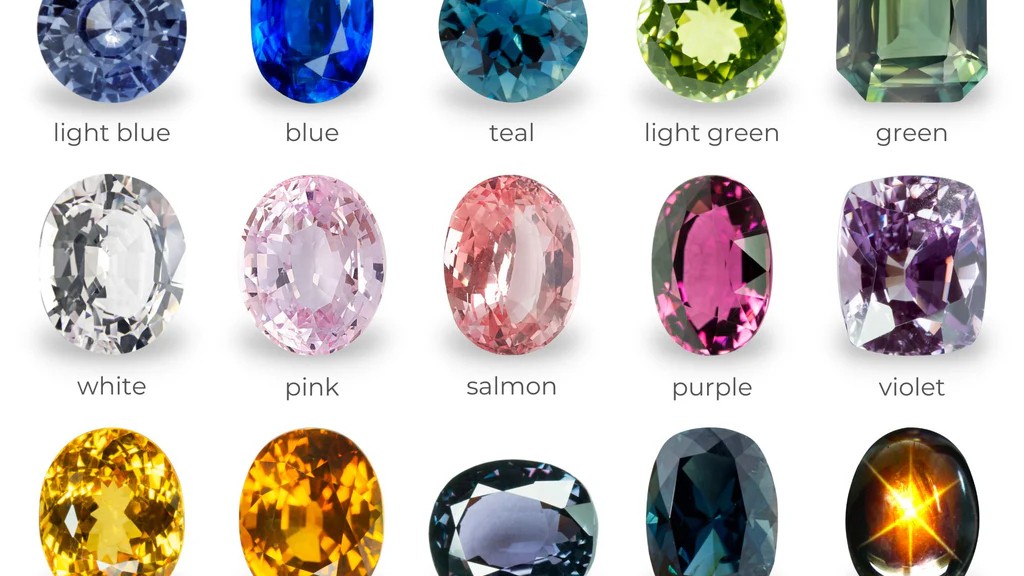
The global luxury jewelry market is navigating a fascinating dichotomy in the first quarter of 2026. On one side, we are witnessing a historic surge in the demand for colored gemstones, particularly sapphires, which are outperforming traditional assets at auction. On the other, the diamond market is experiencing a "K-shaped" recovery, where high-quality, large stones are thriving, while the lower tiers face stagnation.
As we analyze the data from major auction houses, mining conglomerates, and B2B marketplaces like CaratX, one thing becomes clear: 2026 is shaping up to be a year defined by quality, rarity, and strategic sourcing. For sellers looking to capitalize on these trends, understanding the nuances of supply chains and consumer behavior is no longer optional, it is essential.
Recent sales at Sotheby’s and Christie’s have confirmed a shift in collector sentiment. While white diamonds remain a staple, high-quality sapphires are stealing the spotlight. This trend is not merely aesthetic; it is financial.
According to a report by the Gemological Institute of America (GIA) , the supply of untreated, natural sapphires has dwindled significantly over the past decade. Unlike diamonds, which have a highly controlled supply chain through entities like De Beers, the sapphire market is fragmented. This scarcity, combined with a growing appreciation for color among Millennial and Gen Z investors, has led to record-breaking bids per carat.
Collectors are increasingly treating gemstones as portable wealth.
Why Sapphires?
Rarity: High-quality Kashmir and Ceylon sapphires are rarer than most large D-color diamonds.
Cultural Shift: There is a growing movement away from "traditional" engagement rings toward colored center stones, a trend heavily documented by The Knot and other wedding industry authorities.
Investment Grade: The International Colored Gemstone Association (ICA) notes that sapphires have shown a steady appreciation curve, outpacing many other luxury goods over the last five years.
While sapphires bask in the spotlight, the diamond market is sending mixed signals. The era of blanket demand for all diamonds is over. Today, the market is bifurcated.
De Beers has recently increased prices for 5-carat+ rough diamonds. This decision, driven by severe shortages in the mining sector, underscores a critical issue: large, high-quality rough is becoming exceptionally difficult to source. Mines like the Argyle (closed) and Diavik (approaching end-of-life) are no longer contributing to the supply of larger stones.
However, the downstream effect is tricky. While rough prices for large goods are up, the mid-stream (cutters and polishers) are struggling with margin compression. Smaller diamonds and lower-weight categories (often referred to as "melee") remain slow in demand, creating a surplus in certain Indian and Belgian cutting centers.
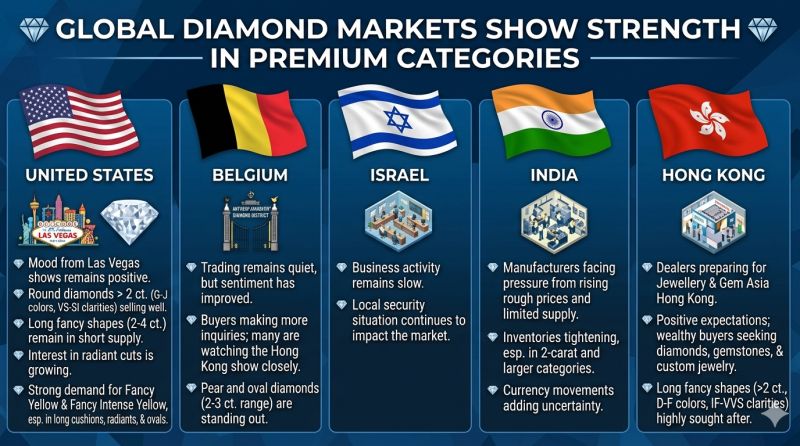
The polished market is being driven entirely by quality. The United States market, which remains the largest consumer of diamond jewelry globally, continues to support premium sales.
Specific trends dominating the polished sector include:
Size Matters: Strong demand for 1 carat and larger diamonds. The "one-carat" milestone remains a psychological benchmark for consumers.
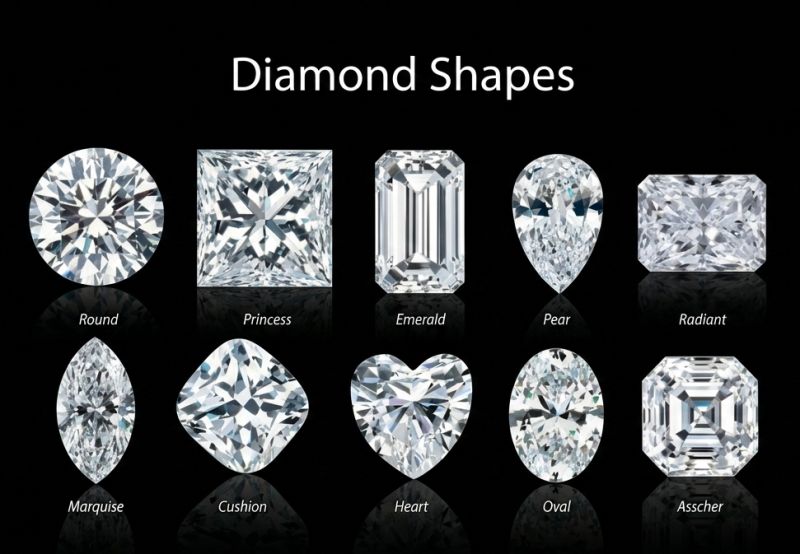
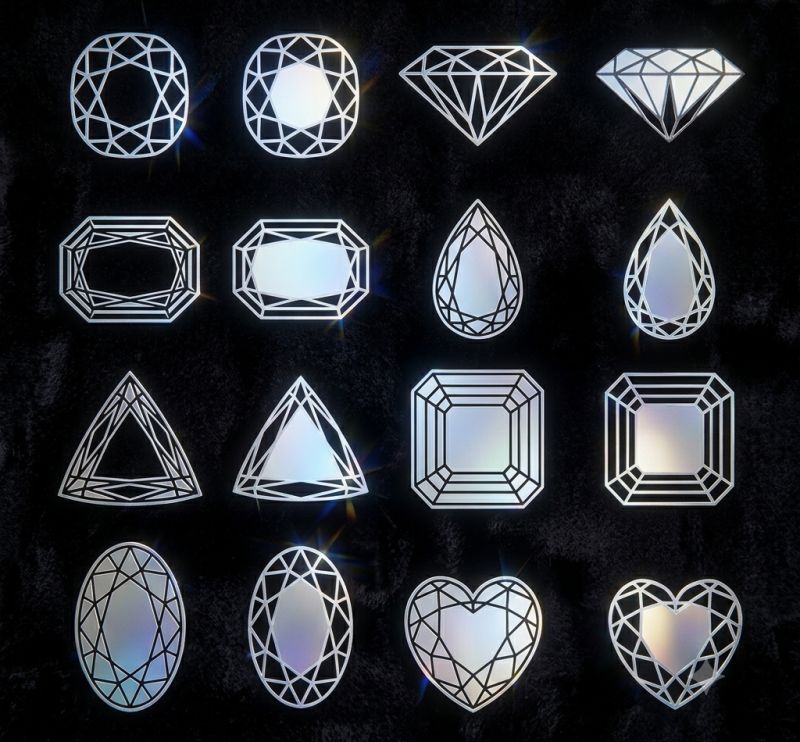
The Shape Shift: Elongated fancy shapes specifically oval, emerald, and marquise are performing exceptionally well. These shapes offer a larger face-up appearance compared to rounds of the same carat weight, offering better "value perception" to the consumer.
The data confirms that 2026 is a quality-driven market. Whether dealing with sapphires or diamonds, the mantra is the same: "Buy the best you can afford."
For B2B sellers and retailers, this means adapting inventory strategies. The days of selling standard SI clarity rounds are fading; today’s consumer is educated. They are looking for certifications from top labs and are increasingly shopping on platforms that offer transparency.
This is where platforms like CaratX are revolutionizing the industry. By connecting sellers directly with international buyers, CaratX allows vendors to bypass traditional, often opaque, middlemen.
For a seller looking to move high-quality sapphires or natural diamonds, having access to a global marketplace is no longer a luxury, it is a necessity for survival in this bifurcated market.
Looking ahead, the divergence between colored gemstones and diamonds is likely to persist. Here is what industry stakeholders should watch:
Lab-Grown vs. Natural: The lab-grown diamond sector continues to exert pressure on the lower end of the natural diamond market. However, this has inadvertently reinforced the value of natural diamonds in the high-end sector (1 carat+ D-F color, VVS-VS clarity), as consumers view them as a distinct asset class separate from manufactured goods.
Supply Chain Diversification: With geopolitical tensions affecting traditional trade routes, sellers are diversifying their markets. The ability to sell to 18+ international countries through a unified platform like CaratX mitigates the risk of regional economic downturns.
In a market where timing and quality are everything, having the right infrastructure is key. CaratX is designed to meet the needs of modern sellers.
Whether you are a manufacturer sitting on a parcel of 5-carat+ diamonds that are currently in high demand, or a collector looking to liquidate a collection of rare colored gemstones, CaratX provides the tools to reach the right buyer.
Why Join the CaratX Marketplace?
Global Reach: Sell to B2B and B2C buyers across 18+ international countries.
Targeted Exposure: Showcase your inventory to buyers specifically looking for large stones and fancy shapes, the segments currently outperforming the market.
Ease of Use: The platform simplifies the complexities of international shipping, payments, and compliance, allowing you to focus on sourcing the high-quality inventory that the market demands.
To succeed in this environment, sellers must be strategic. The "one-size-fits-all" approach to inventory is obsolete. If you are sourcing rough, focus on the segments De Beers is raising prices on: larger carat weights. If you are selling polished, double down on oval, emerald, and marquise cuts.
For those looking to sell jewelry internationally, the CaratX seller plan offers a seamless onboarding process. The platform is currently seeing high engagement from buyers searching for premium gemstones and diamonds.
Explore the CaratX Advantage:
Sell Your Inventory: If you are ready to expand your business, register now to start selling to 18+ international buyers. Sellers register on CaratX marketplace here .
Shop for High-Demand Items: Are you a retailer looking to stock up on the hot items of Q1? Shop natural diamonds and gemstones at competitive prices directly from source.
Pricing Transparency: Understand the costs involved in going global. Check CaratX Pricing Details Here .
The first quarter of 2026 has set the stage for a year of selective growth. Rare sapphires are capturing the imagination of collectors seeking color and rarity, while the diamond market is rewarding those who focus on quality specifically large carat weights and elongated fancy shapes.
For businesses caught in the middle of these trends, the path forward involves leveraging technology to reach a global audience. By utilizing a B2B platform like CaratX, sellers can align their inventory with current market demand, ensuring they are not just participants, but leaders in this evolving landscape.
Ready to capitalize on the quality-driven market? Start selling to diamonds and jewelry buyers in 18+ International countries today-
Q1: Why are sapphires outperforming diamonds in early 2026? A: Sapphires, particularly untreated and high-quality specimens, are benefiting from a supply shortage and a growing collector preference for colored gemstones. They are seen as rare, portable assets. For high-quality sapphires, you can explore current inventory on the CaratX Marketplace .
Q2: What diamond shapes are currently in high demand? A: Elongated fancy shapes such as Oval, Emerald, and Marquise are performing exceptionally well, driven by consumer preference in the United States for shapes that offer a larger visual appearance.
Q3: How can I sell my diamonds or jewelry internationally? A: To sell internationally, you need a platform that handles global logistics and compliance. CaratX allows you to sell to B2B and B2C buyers across 18+ countries. Register as a seller here to get started.
Q4: Is the market for smaller diamonds (under 1 carat) recovering? A: Currently, the market remains slow for smaller diamonds and lower-weight categories. The demand is heavily concentrated in 1 carat and larger stones, particularly those with high clarity and color grades.
Q5: Where can I find reliable pricing for launching products on a marketplace? A: CaratX offers transparent pricing plans for sellers. You can review the detailed costs and benefits here to understand how to maximize your margins.
Image Credit - Jewelry Design House
Jun, 18, 2026
Aug, 06, 2022
Aug, 06, 2022
0 Comments
Please login to leave a reply.