

💎 Ring Settings Matter More Than You Think
Home
News And Media 💎 Ring Settings Matter More Than You Think SHOP NOWHome
News And Media 💎 Ring Settings Matter More Than You Think SHOP NOWApr, 27, 2026 by Archit Mohanty 0 Comments
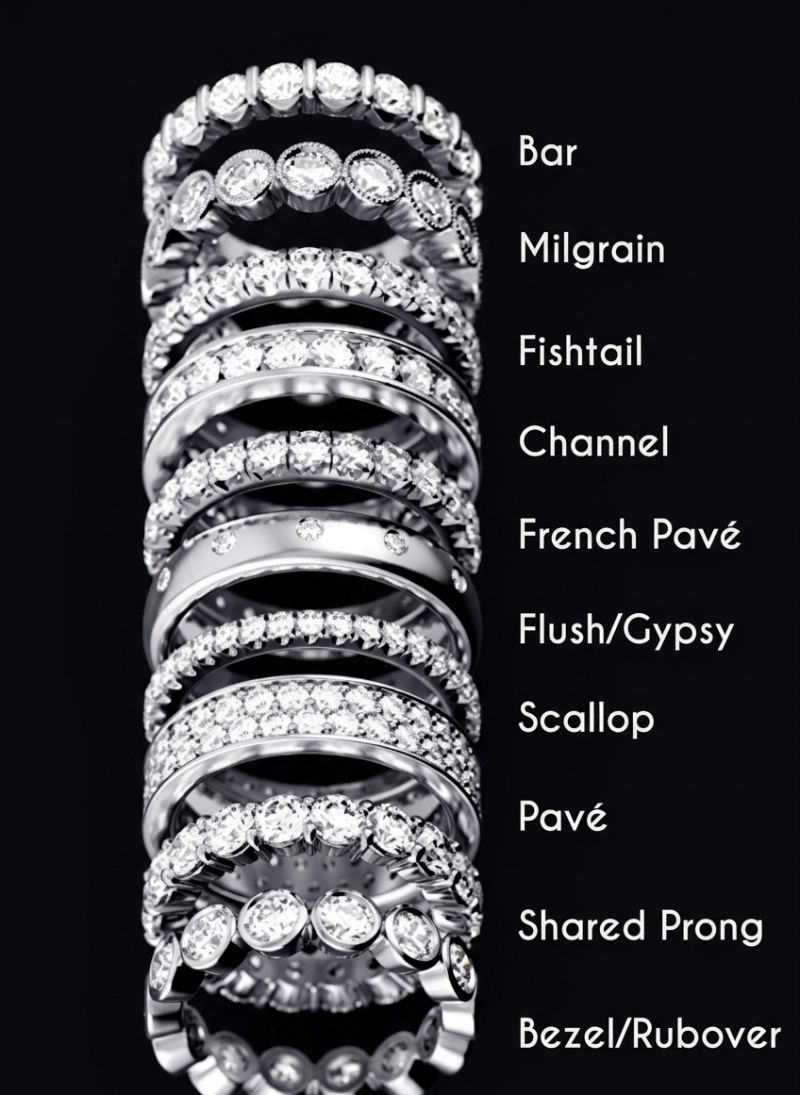
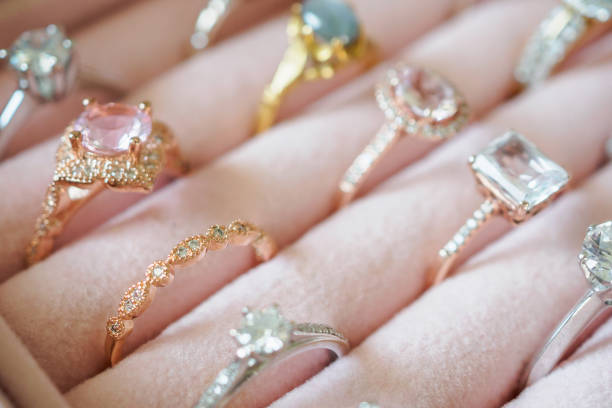
A diamond ring is the sum of many parts, but none plays a more critical role than the setting. People often focus on the four C's of a diamond cut, color, clarity and carat weight and consider the setting merely a functional necessity. This is a fundamental mistake. The setting is not just a mount; it is the soul of the ring, dictating everything from how the central stone shines to how durable the piece will be over a lifetime of daily wear.
Understanding the nuances of different ring settings transforms a simple purchase into a strategic investment. Let's dive into why the setting matters more than you think and explore the most common setting types in the industry.
The setting of a ring is a masterclass in structural engineering, optical physics, and artistic design, all compressed into a tiny metal framework. While the diamond is the star of the show, the setting is the stage, director, and lighting crew all in one. It determines the diamond's exposure to light, protects its delicate edges, and defines the ring's overall character.
A well-made setting provides three essential things: security, light performance, and comfort. It must hold the diamond firmly in place, especially considering that a single misjudged knock can loosen a prong and lead to stone loss. In fact, nearly 90% of lost stones are due to a poorly constructed or inappropriate setting from the start.
Beyond protection, the setting is the primary architect of the diamond's sparkle. An open, elevated setting allows maximum light to enter the diamond through its pavilion, bounce around its internal facets, and return to the eye as brilliant fire. As the Gemological Institute of America (GIA) aptly states, the setting has two jobs: to hold the diamond in place and to protect it from damage. If the setting is poorly designed or executed, the same diamond can look dull, lifeless, or constantly at risk of falling out.
Each setting type offers a distinct blend of aesthetics, durability, and light performance. The table below provides a high-level comparison, followed by an in-depth analysis of each style.
Choosing the right setting is not just about design, it directly impacts sparkle, durability, and everyday usability.
Brilliance (Sparkle): Highest — Maximum light exposure
Security (Durability): Moderate — Prongs can loosen over time
Maintenance: Regular inspections required
Lifestyle Fit: Best for low-impact use; not ideal for rough, hands-on work
Brilliance (Sparkle): Moderate — Metal slightly reduces light
Security (Durability): Highest — Fully protects stone edges
Maintenance: Low — Minimal snagging and wear
Lifestyle Fit: Ideal for active lifestyles (e.g., medical professionals)
Brilliance (Sparkle): High — Surface covered with small diamonds
Security (Durability): Low to Moderate — Tiny beads can wear out
Maintenance: High — Requires careful cleaning
Lifestyle Fit: Better for occasional wear, not daily heavy use.
Brilliance (Sparkle): Moderate — Metal frames the stones
Security (Durability): High — Stones protected on sides
Maintenance: Moderate — Cleaning between channels can be tricky
Lifestyle Fit: Great for wedding bands and daily wear
Brilliance (Sparkle): High — Extra ring of diamonds enhances shine
Security (Durability): Moderate — Depends on center stone setting
Maintenance: High — Many small crevices to clean
Lifestyle Fit: Suits glamorous, statement-oriented lifestyles
Brilliance (Sparkle): Highest — No metal blocking light
Security (Durability): Moderate to High — Depends on metal strength
Maintenance: Very Low — No prongs to snag
Lifestyle Fit: Perfect for modern, minimalist preferences
Brilliance (Sparkle): High — No visible metal interference
Security (Durability): Low — Higher risk of structural failure
Maintenance: Very High — Difficult to repair
Lifestyle Fit: Best for formal or occasional wear
The prong setting, often called the claw setting, is the undisputed king of the jewelry world. Used in the vast majority of engagement rings globally, it features small metal arms (typically four or six) that grip the diamond's girdle to lift it high above the band.
This open architecture is a marvel of light physics. By exposing the diamond from virtually every angle, it allows maximum light to enter and return to the eye, creating the most brilliant "fire" and "scintillation" of any setting type.
The GIA notes that a six-prong setting offers balanced coverage and added security for the diamond's girdle, while a four-prong setting allows even more of the stone to be seen. However, prongs can snag on clothing, and over time, they wear down. Regular professional inspections are recommended at least once a year to check for loose or weakened prongs.
The bezel setting is the modern fortress of fine jewelry. Instead of prongs, a thin, continuous rim of precious metal encircles the diamond's girdle, holding the gem flush within the mount. This design is the ultimate choice for durability and active lifestyles.
The metal rim acts as a bumper, absorbing shock and protecting the diamond's edges making it a popular choice for those who work with their hands or travel frequently. While the metal frame slightly mutes the diamond's side sparkle compared to a prong setting, many modern designs utilize a "half bezel" that leaves the sides exposed to let in more light.
The term "pavé" comes from the French word for "paved," and true to its name, this setting creates a diamond-covered surface. Multiple small diamonds are set closely together along the band or around a center stone, held in place by tiny metal beads. The result is a continuous, glittering surface of light that maximizes the ring's brilliance. However, the tiny metal beads are delicate.
Over time, friction from daily wear can cause these beads to wear down, and if one fails, the stone it holds can be lost. Pavé settings require careful cleaning and regular inspections to ensure the small stones remain secure.
Channel and bar settings are the unsung heroes of wedding and eternity bands. In a channel setting, diamonds are snugly placed between two vertical metal walls (rails), creating a smooth, protected surface with no prongs. A bar setting is a variation where thin metal bars separate and hold each diamond.
These designs are incredibly secure, as the metal rails protect the diamonds' edges from impact and snagging. However, they can be more challenging to clean, as dirt can become trapped in the channels or between the bars. These settings are best suited for wedding bands and rings where a low profile and high durability are needed.
The halo setting is a glamorous design that features a circle of smaller diamonds or gemstones surrounding a center stone. This intricate frame serves two purposes: it amplifies the center diamond's brilliance, making it appear larger and more luminous, and it adds a layer of vintage or romantic charm to the ring's overall aesthetic. Halos can be crafted in a single or double row and can be combined with other settings (like a prong-set center stone with a pavé halo). While stunning, the many small crevices in a halo setting can trap dirt, and the small stones can become loose over time, requiring diligent maintenance.
The tension setting is a feat of modern engineering and one of the most difficult settings to produce. It uses the immense pressure of the ring's metal shank to "clench" the diamond in place. Because the diamond is held by sheer pressure rather than prongs, the stone appears to float magically between the two ends of the band. This setting requires the use of extremely hard metals like titanium, steel, or tungsten carbide, as softer metals cannot maintain the necessary grip. Due to the engineering involved, only extremely hard gemstones like diamonds, rubies, or sapphires can be set this way safely.
The invisible setting represents the pinnacle of jewelry craftsmanship. It is an intricate setting style where square-cut or princess-cut diamonds are placed so closely together that no metal is visible between them. The stones are held in place by tiny grooves cut into their pavilions, which interlock with a metal framework hidden underneath.
This creates a smooth, uniform, premium-looking surface of pure sparkle. It is one of the most difficult and costly settings to produce, as even a microscopic error in groove-cutting can compromise the entire ring. Once a stone in an invisible setting is damaged or lost, it is almost impossible to repair, making it a high-risk style for everyday wear.
Your diamond ring is built to last, but it requires proactive care to maintain its integrity. Different settings demand different maintenance routines:
Prong Settings: Have your ring inspected by a professional jeweler every 6-12 months. Prongs can wear thin over time and may need to be retipped to prevent the stone from falling out.
Pave and Halo Settings: Clean these rings gently at home with a soft toothbrush and mild dish soap. Avoid ultrasonic cleaners, as the vibrations can loosen the tiny beads holding the stones.
General Care: Always remove your ring during high-impact activities like workouts, gardening, or heavy lifting. Avoid exposing it to harsh chemicals like chlorine or bleach, which can weaken metal over time. For daily maintenance, a simple soak in warm, soapy water followed by a gentle wipe keeps the diamond sparkling.
Gently shake the ring next to your ear. If you hear even a faint click or feel a wobble when you press on the diamond, a prong may be loose. You should also visually inspect the prongs: they should sit flush against the diamond's surface without any gaps.
Yes, a skilled jeweler can often reset a diamond into a new setting. However, this process can be costly and may risk damaging the diamond if not done carefully. It is always best to select the right setting initially.
A halo setting is the most effective at making a center diamond appear larger, as the ring of smaller stones pushes the visual boundaries of the gem. A tension setting also makes a diamond look larger because there is no metal obstructing its profile.
Yes. Elongated shapes like emerald or marquise cuts benefit from prongs at the corners for protection. Round diamonds are versatile but look best in four or six-prong settings. Princess cuts and other square shapes require a setting that adequately protects their sharp corners, such as a bezel or a V-prong.
It's recommended to have your ring professionally cleaned and inspected by a jeweler at least twice a year. This helps maintain its sparkle and catches any potential issues, like loose prongs or worn-down pave beads.
The cost of a setting varies wildly based on the complexity of the design, the metal used, and the number of accent diamonds. A simple solitaire 14K gold setting can cost as little as a few hundred dollars, while a complex platinum pave setting with many stones can cost several thousand.
Absolutely. CaratX is a premier marketplace where you can shop gemstones at unbeatable prices as well as explore a vast collection of lab-grown diamonds and natural stones.
Choosing a ring setting is a decision that goes far beyond aesthetics. It is an evaluation of how you live, what you value, and how you want your story to be told. The perfect ring is one where the setting complements the diamond, protects it for generations, and aligns with your unique lifestyle. The next time you look at a diamond ring, remember: the setting is the soul, and the craftsmanship is the signature.
For access to a global inventory of high-quality diamonds and settings, register as a seller on the CaratX marketplace and start selling to B2B and B2C buyers in over 18 international countries. Whether you are a retailer looking for a trusted network or a consumer seeking the perfect piece, CaratX is your gateway to the world of fine jewelry.
May, 18, 2026
Aug, 06, 2022
Aug, 06, 2022
0 Comments
Please login to leave a reply.