

The United States: The Undisputed Engine of Global Diamond, Jewelry, Pearl, and Gemstone Demand
Home
News And Media The United States: The Undisputed Engine of Global Diamond, Jewelry, Pearl, and Gemstone Demand SHOP NOWHome
News And Media The United States: The Undisputed Engine of Global Diamond, Jewelry, Pearl, and Gemstone Demand SHOP NOWMar, 25, 2026 by Archit Mohanty 0 Comments
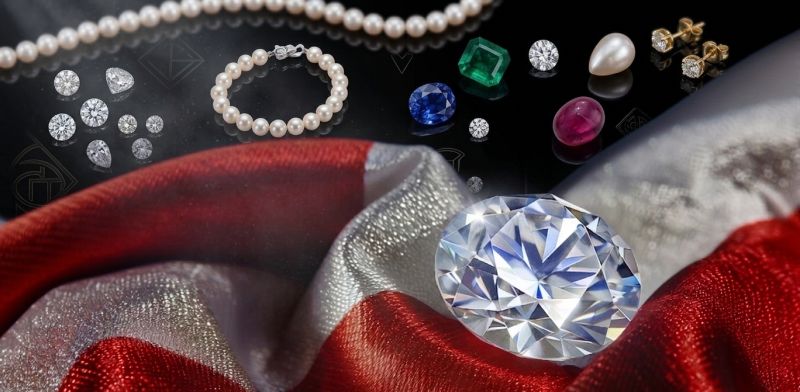
In the intricate tapestry of the global gemstone and jewelry industry, no single thread is as dominant or as influential as the United States. While mining operations hum in the depths of Botswana, cutters perfect facets in the bustling hubs of Surat, India, and pearl farmers nurture delicate ecosystems in the azure waters of the South Pacific, the ultimate arbiter of value, trend, and demand resides firmly within the American consumer.
The United States is not merely a market; it is the world’s demand engine for diamonds, jewelry, pearls, and gemstones. What happens in the US from a shift in consumer sentiment to a trending celebrity engagement ring reverberates through supply chains in Antwerp, Hong Kong, and Dubai. For sellers, manufacturers, and brands looking to scale, understanding this market is the difference between surviving and thriving.
In this analysis, we dissect why the US dominates the luxury landscape, current trends shaping the $80 billion industry, and how you can leverage platforms like CaratX to tap into this lucrative ecosystem.
To understand the influence of the United States, one must first grasp the sheer magnitude of its consumption. The US doesn't just participate in the jewelry market; it anchors it.
According to industry analyses from The Knot and Statista, the United States contributes approximately 45% to 50% of the global diamond jewelry demand. This is a staggering figure considering the global nature of the industry. The total US jewelry market is valued at over $80 billion annually, encompassing everything from high-fashion luxury pieces to accessible everyday jewelry.
This dominance is driven by a unique cultural and economic confluence:
The Engagement Ring Culture: Unlike many other regions where gold or alternative gifts are traditional, the US market is heavily driven by the diamond engagement ring. This single category accounts for a massive portion of annual revenue.
High Disposable Income: The US boasts a high concentration of wealth and discretionary spending power, allowing for consistent luxury consumption even during economic fluctuations.
The "Retail Therapy" Effect: Jewelry remains a top category for self-purchasing, with American women increasingly buying diamonds and gemstones for themselves as symbols of achievement.
For businesses looking to enter this market, understanding these economic drivers is crucial. Whether you are a wholesaler looking to supply American retailers or a retailer aiming to capture direct-to-consumer (D2C) sales, the infrastructure to support this trade is robust.
Platforms like CaratX are bridging the gap, allowing international sellers to register and start selling to the US market seamlessly.
The American consumer is sophisticated, educated, and value-driven. The "old guard" of diamond buying prioritizing a specific brand name is shifting towards a focus on size, aesthetics, and ethical sourcing. Today’s US buyer is more likely to compare a GIA or IGI certificate than a brand label.
The "bigger is better" mentality is alive and well in the US. There is a pronounced trend toward 2-carat and larger diamonds for center stones.
This is driven by the prevalence of social media, where high-resolution images encourage consumers to opt for more impressive visual impact. As a result, the demand for 2-carat diamonds has surged, influencing how miners and cutters prioritize rough stone recovery.
American buyers are becoming experts in "value engineering" their purchases. While flawless "FL" or "IF" clarity and "D" color diamonds exist, the bulk of the US market gravitates toward the "sweet spot" of G–J color and VS–SI clarity.
This range offers the best of both worlds: stones that appear colorless or near-colorless to the naked eye and clean (eye-clean) inclusions, without the premium price tag associated with top-tier grades. This trend reflects a maturation of the market where consumers prioritize visible beauty over microscopic grading nuances.
Perhaps the most seismic shift in the US jewelry landscape is the rapid adoption of Lab-grown diamonds (LGDs) . The United States is the epicenter of the LGD boom. Recent data from industry trackers like Edahn Golan indicates that lab-grown diamonds now account for over 50% of engagement ring center stones sold in the US.
This shift is fueled by:
Affordability: LGDs typically cost 70-85% less than natural diamonds, allowing consumers to purchase larger carat weights for the same budget.
Ethical Considerations: Younger demographics (Millennials and Gen Z) prioritize sustainability and transparency, viewing lab-grown stones as a conflict-free alternative.
Fashion Over Investment: A growing segment of US buyers views diamonds as fashion items meant to be worn and enjoyed, rather than financial investments.
For sellers, this dual market (Natural vs. Lab) presents a unique opportunity. CaratX caters to both, offering a platform where you can list natural diamonds alongside lab-grown diamonds to capture the full spectrum of US demand.
While diamonds may be the engine, pearls and colored gemstones are the high-octane fuel gaining traction in the US market. The "quiet luxury" aesthetic, popularized by celebrities and high-end television, has reignited a passion for pearls, while the desire for individuality has boosted colored stones.
The US is currently experiencing a pearl renaissance. The demand for South Sea Pearls (revered for their large size and satiny luster), Akoya Pearls (the classic classic white pearl), and Freshwater Pearls (valued for their variety and accessibility) is soaring.
American buyers are no longer viewing pearls as merely "heirloom" pieces for older generations. Modern designs featuring baroque pearls, mixed-metal settings, and pearl stacking rings are becoming staples in the luxury retail space.
There is a growing appetite for Emeralds, Sapphires, and Rubies. The US market is driving a "non-traditional engagement ring" trend, with Sapphires (especially blue, pink, and padparadscha) and Emeralds being chosen by couples seeking unique, personalized symbols of their love.
This shift is supported by the availability of certified stones. US buyers increasingly insist on independent certifications for colored gemstones, seeking assurance of origin and treatment status.
If you are a seller specializing in these high-demand categories, tapping into the US market requires a platform that offers visibility. CaratX provides a dedicated marketplace for gemstones and pearls, connecting sellers with the discerning American buyers looking for these specific assets.
The United States acts as the "consumer of last resort" for the global jewelry supply chain. When US demand is strong, the entire ecosystem thrives. When it falters, it causes a ripple effect across the globe.
India: As the world’s largest diamond cutting and polishing hub, India’s fortunes are tied directly to US demand. Approximately 60-70% of polished diamonds processed in Surat end up in American jewelry stores. A strong US holiday season (Q4) determines the livelihood of millions of Indian artisans.
Belgium: As the gateway for rough and polished diamonds into Europe and the US, Antwerp’s trading floors fluctuate based on US retail forecasts.
Mining: Major miners like De Beers and Alrosa (historically) base their production strategies on US consumer sentiment.
By selling to the US, you are not just accessing a country; you are plugging into the central nervous system of the global jewelry trade.
CaratX enables sellers to navigate this complex international landscape, offering access to buyers across 18+ international countries, with the US as the primary target market.
The way Americans buy jewelry is changing. The traditional "mall jeweler" is declining, replaced by direct-to-consumer (D2C) brands and online marketplaces.
Online jewelry sales are growing at a compound annual growth rate (CAGR) that outpaces brick-and-mortar retail. This shift presents a unique opportunity for sellers. You no longer need a physical presence on Fifth Avenue or Rodeo Drive to sell to American consumers; you need a digital presence.
However, entering the US market requires a robust strategy to handle logistics, payment processing, and customer trust. This is where a specialized marketplace becomes invaluable.
Whether you are a manufacturer looking to supply B2B wholesale buyers (retailers, jewelry brands) or a brand looking to sell directly to B2C retail buyers, CaratX provides the infrastructure to scale.
Register as a seller on CaratX marketplace to unlock: www.caratx.com/register
Access to 18+ international countries, including the US.
Tools to manage both wholesale and retail inventory.
A trusted platform that verifies listings, ensuring buyer confidence.
If you are ready to capitalize on the US "demand engine," the first step is establishing your presence. Start selling to B2B and B2C buyers now by registering on CaratX. .
For Sellers: To understand the specific benefits of our seller plans and how to list your inventory internationally, visit our Seller Registration Page .
For Sellers (Pricing): To understand the cost structure and value proposition of selling through CaratX, review our Pricing and Launch Details .
For Buyers (Gemstones): If you are a buyer looking to source the trending Emeralds, Sapphires, and Rubies mentioned in this article, Shop Gemstones on CaratX .
For Buyers (Diamonds): To take advantage of the US market’s preference for high-quality natural diamonds, Shop Natural Diamonds on CaratX .
The United States remains the undisputed engine of global demand for diamonds, jewelry, pearls, and gemstones. From setting the standard for engagement ring sizes to dictating the global supply chain dynamics in India and Belgium, the influence of the American consumer is absolute.
As the market continues to evolve embracing lab-grown diamonds, colored gemstones, and e-commerce the barriers to entry are lowering. You no longer need a physical storefront to reach American buyers. You need a reliable partner.
CaratX is designed to be that partner. By providing a unified platform for B2B and B2C sales, catering to both natural and lab-grown inventories, and offering access to 18+ international markets, CaratX empowers sellers to harness the power of the US market.
Ready to start your journey?
Sellers: Register on CaratX today to list your diamonds, jewelry, pearls, and gemstones.
Buyers: Shop the CaratX Marketplace to find the finest natural diamonds, lab-grown options, and trending colored gemstones at unbeatable prices.
Q1: Is it profitable for international sellers to target the US market? A: Yes. Given that the US accounts for nearly 50% of global diamond jewelry demand, it is arguably the most profitable market. Platforms like CaratX simplify cross-border logistics and payments, making it easier for international sellers to compete.
Q2: Are lab-grown diamonds really 50% of the US engagement ring market? A: Industry data from analysts like Edahn Golan and reports cited by major publications confirm that in terms of unit volume (pieces), lab-grown diamonds now account for over half of the center stones sold in US engagement rings.
Q3: What gemstones are currently trending in the US besides diamonds? A: South Sea and Akoya pearls are seeing a massive resurgence due to the "quiet luxury" trend. Among colored stones, Emerald (green), Sapphire (blue and pink), and Ruby (red) are the top three, driven by demand for unique engagement rings and high-end fashion jewelry.
Q4: How do I start selling on CaratX? A: Simply visit www.caratx.com/register . You can sign up as a seller, choose your plan, and start listing your inventory to reach B2B and B2C buyers across the US and 17 other international countries.
Q5: Does CaratX support both wholesale (B2B) and retail (B2C) sales? A: Yes. CaratX is designed as a hybrid marketplace. You can manage your inventory to cater to bulk buyers (wholesale) looking to stock their stores, as well as individual consumers (B2C) looking to purchase single pieces.
Jun, 18, 2026
Aug, 06, 2022
Aug, 06, 2022

May, 08, 2026
0 Comments
Please login to leave a reply.