
The global diamond industry is currently experiencing a fascinating paradox. While the overall market sentiment remains cautious due to macroeconomic pressures, specific segments particularly fancy shape diamonds are not only holding steady but are commanding significant premiums.
As we analyze the latest trading data from major hubs like Mumbai, Antwerp, and New York, a clear picture emerges: the market is bifurcating. On one end, there is softness in mid-size commercial goods (0.50 to 1.19 ct). On the other, there is intense competition and supply shortages for large, well-cut fancy shapes.
For sellers, manufacturers, and investors, understanding this dynamic is crucial to capitalizing on current trends. This report delves deep into the specifics of shape performance, regional demand, and the strategic opportunities available in today’s market.
Why Fancy Shapes Are Outpacing Rounds -
Historically, round brilliant diamonds have dominated the engagement ring market, commanding a price premium due to their superior light return and high manufacturing waste (yield loss). However, the current cycle shows a distinct shift.
According to industry analysis, fancy shapes (2 carats and above) are currently outperforming rounds. This trend is driven by consumer desire for uniqueness and the "finger coverage" effect elongated shapes like ovals and marquises appear larger than a round of the same carat weight.
As noted in recent market summaries, the United States market remains the primary engine for this demand, with buyers specifically seeking elongated ovals in D–I color and VS–SI clarity. This preference for "good shape + good quality" indicates that today’s consumer is educated and values aesthetics alongside the 4 Cs.
Shape-Specific Performance:
Not all fancy shapes are created equal. The market is rewarding specific silhouettes while discounting others.
Long and Elongated Shapes -
In the current market, length-to-width ratio is king.
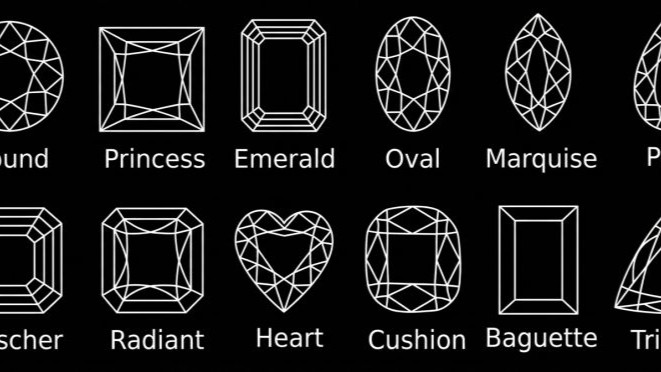
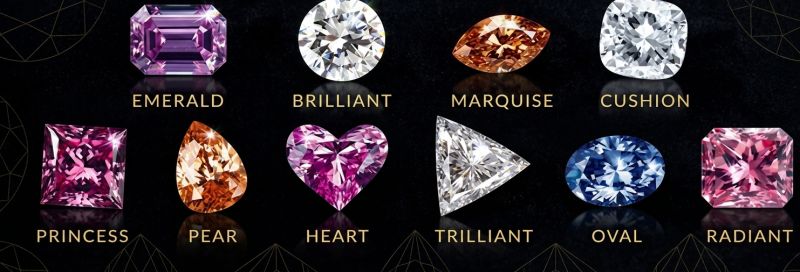
Marquise Cut: Currently trading as the most expensive fancy shape. This is a significant reversal from historical trends. The rarity of well-cut marquise diamonds, combined with their ability to maximize carat weight visually, has made them highly sought after. The Belgium and Hong Kong markets report that marquise diamonds are becoming rare and are selling at premium prices, particularly for investment-grade pieces (D–F, VVS–VS).
Oval Cut: While the 0.50–1.19 ct. oval segment is seeing a slowdown in India after recent growth, the 2.00 ct. and above category remains robust globally. Elongated ovals with excellent symmetry are moving quickly.
Emerald and Marquise: These "long shapes" are leading in larger sizes. The step-cut nature of emeralds requires higher clarity, making the available inventory of high-quality large emeralds tight.
Cushion Cut: There is a distinct polarization here. Long Cushion Cuts (rectangular cushions with elongated proportions) are trading at a 20%–25% premium over square cushions. This mirrors the broader consumer preference for slimming, elongated shapes.
The Laggards: Princess and Poor Proportions
Princess Cut: Once a staple of the 1990s and 2000s, the Princess cut is currently weak in demand. The market has shifted away from its sharp corners and square profile in favor of softer, elongated geometries.
Poor Proportions: Generic fancy shapes with poor proportions (bulky pavilions, uneven bows in ovals, or poor length-to-width ratios) are currently "hard to sell." Liquidity in these goods is low, and they often require deep discounting to move.
Regional Market Deep Dive -
Understanding regional nuances is essential for global trading. Here is how key markets are performing:
United States: Retail Steady, Wholesale Squeeze
The US market remains the anchor of global demand. Retailers are showing steady demand, but wholesalers face a unique challenge: inventory shortages. Because supply is tight for high-quality fancy shapes, dealers are buying from each other to fulfill orders.
While this keeps the market liquid, it is reducing profit margins for intermediaries. There has been a slight improvement in the movement of 1 ct. J–K diamonds, suggesting a slight broadening of demand into lower color grades for specific settings.
Belgium & Israel:
Belgium (Antwerp): The overall market is quiet for generic rounds (2–4 ct). However, 5 ct. and larger diamonds are in active demand. Fancy shapes over 2 carats are performing well. The market is currently hampered by shipment delays due to geopolitical tensions, which is causing a supply lag.
Israel (Ramat Gan): Trading activity is reported as "very low." The ongoing war has severely impacted business operations, physical logistics, and internal liquidity. While activity is subdued, the demand for large stones persists where deals can be executed.
India:
India, the cutting and polishing hub of the world, is exhibiting cautious sentiment.
Slow Trading: Slowdown is attributed to global demand weakness and local factors.
Supply Shortage: Despite subdued export demand, there is strong demand for 2.50 ct. and larger diamonds. Paradoxically, this demand is meeting a supply shortage in bigger stones, as manufacturers are hesitant to produce speculative inventory without committed buyers.
Hong Kong:
The Hong Kong market is stable but selective. There is a clear focus on investment-grade diamonds.
Specifications: Buyers are prioritizing D–F colors and VVS–VS clarity for stones 2 carats and larger.
Documentation: Stones below 0.50 ct. are slow, and buyers almost universally prefer stones with GIA reports. Liquidity for non-certified goods is significantly lower here than in other markets.
Why "Good Shape + Good Cut" Matters -
The current market mantra is "Good shape + good cut = faster sales and better margins." But why is cut quality so critical, especially for fancy shapes?
Unlike round brilliants, fancy shapes do not have a universal "ideal" cut grade. This makes them more subjective and riskier for the untrained buyer. A poorly cut oval will exhibit a prominent "bow-tie" effect (a dark area across the center), while a poorly cut marquise will have a "dead" center.
According to gemological studies, cut quality directly impacts brilliance and perceived value. The Gemological Institute of America (GIA) notes that cut is the only one of the 4 Cs influenced by human hands, and it dramatically impacts a diamond's beauty. In a market where buyers are educated, they are willing to pay a premium for stones certified as having "Excellent" or "Very Good" symmetry and polish.
Strategic Implications for Sellers and Investors -
Given the bifurcation in the market, strategic positioning is key.
Focus on Inventory Mix: If you are holding inventory, assess your stock of mid-size rounds (0.50–1.19 ct). Consider converting this liquidity into larger, elongated fancy shapes (2 ct.+).
Quality Over Quantity: The market is rewarding high-quality assets. Stones with GIA reports, particularly in D-F color and VS clarity, are moving faster than lower-grade goods.
In a market where margins are squeezed due to wholesale inter-dealer trading, direct access to international buyers is crucial. Sellers need platforms that bypass intermediaries.
This is where digital marketplaces become essential. The days of relying solely on traditional networks are fading. Modern sellers are utilizing platforms like CaratX to access a global network of 18+ international countries, ensuring they reach the end buyer rather than selling to a competitor down the street.
Conclusion -
The fancy shape diamond market is currently a tale of two cities: softness in the mid-size commercial goods, and a bull run for large, elongated, high-quality stones. The shift in consumer preference from rounds to ovals, marquises, and emeralds is reshaping inventory values globally.
For stakeholders, the path forward involves understanding these shape-specific nuances, securing supply of high-quality large stones, and utilizing global sales channels to maximize margins.
Frequently Asked Questions (FAQs)
Q1: Why are Marquise diamonds suddenly the most expensive fancy shape? Marquise diamonds are currently the most expensive due to a combination of rarity and aesthetics. They offer the largest "finger coverage" per carat, making them look bigger than other shapes of the same weight. Additionally, well-cut marquises are becoming scarce in the supply chain, driving up prices.
Q2: Is it a good time to sell Princess cut diamonds? Currently, Princess cut diamonds are experiencing weak demand. If you are looking to sell a Princess cut, it is advisable to price competitively or consider holding it if market trends cycle back to square shapes. The current trend favors elongated shapes.
Q3: What does "elongated shape" mean in the context of Cushion cuts? An elongated cushion cut refers to a rectangular cushion with a length-to-width ratio typically greater than 1.15:1. These are currently trading at a 20-25% premium over square cushions because they offer a modern, slimming look that aligns with current fashion trends.
Q4: Why are GIA reports so important for selling fancy shapes? GIA (Gemological Institute of America) reports provide unbiased, standardized grading. For fancy shapes, where cut quality is subjective, a GIA report gives buyers confidence in the stone's proportions, symmetry, and polish, ensuring they are paying a fair price for a quality asset.
Q5: How can I access international buyers for my diamonds? Sellers can expand their reach by utilizing global B2B marketplaces. Platforms like CaratX allow sellers to register and list their inventory to access verified buyers in over 18 countries, helping to reduce reliance on local inter-dealer trading and improve profit margins.
Ready to Capitalize on the Fancy Shape Market?
In a polarized market, access to the right buyers is everything. Don't let your high-quality inventory sit idle.
Start selling to diamonds in 18+ International countries: Expand your reach beyond local markets and connect with global buyers who are actively searching for large fancy shapes. Register as a Seller on CaratX
Sell Jewelry Internationally: Whether you are a manufacturer or retailer, our seller plans allow you to list jewelry and gemstones to a curated international audience.
Source Natural Diamonds: Looking to buy? Shop natural diamonds and gemstones at competitive prices from verified suppliers.
Learn More About Our Pricing: Understand how our platform works and the costs involved in launching your products globally.