
The numbers are compelling. The global diamond market is not just expanding; it is accelerating. According to leading industry analytics firm Technavio, the market is poised to grow by a staggering $53.38 billion between 2025 and 2030, achieving a robust compound annual growth rate (CAGR) of 8.6%. The total addressable market opportunity during this period is estimated at a massive $82.60 billion.
This growth is driven by a powerful combination of factors: the mainstreaming of lab-grown diamonds as a distinct category, the intensifying global demand for supply chain transparency, and the diversification of consumer demographics and gifting occasions.
Here is a quick overview of the key market metrics:
Jewelry Market Growth Overview
Metric Value
Incremental Growth (2025–2030) $53.38 Billion
Market CAGR (2025–2030) 8.6%
Jewelry Making Segment (2024) $73.12 Billion
Total Market Opportunity $82.60 Billion
APAC Share of Global Growth 34.3%
Regional Spotlight: The Rise of Asia-Pacific
The center of gravity in the diamond world is shifting decisively towards the East. The Asia-Pacific (APAC) region is the undisputed engine of market expansion, projected to account for a commanding 34.3% of global market growth during the forecast period.
This dominance is fueled by a rapidly expanding middle class, rising disposable incomes, and a deep-rooted cultural affinity for luxury goods and jewelry. Within this region, China and India are the primary powerhouses.
In fact CEO of De Beers Group, projects the Indian diamond market to roughly double in size by the end of the decade, growing from $10 billion to an estimated $20 billion. For anyone looking to expand their business, a robust strategy for the APAC market is no longer optional, it's essential.
If you are ready to tap into these international markets, starting is simple: Register on the CaratX marketplace to connect with buyers across 18+ countries.
The Great Bifurcation: Understanding the Two Pillars of the Diamond Market
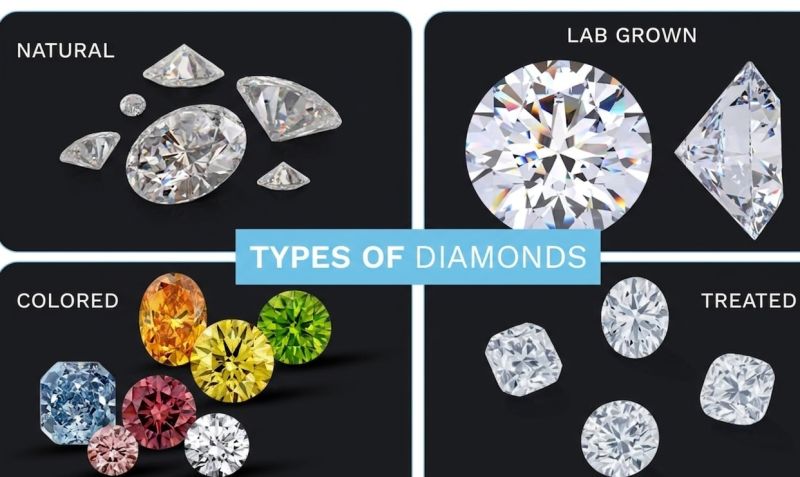
The most significant trend shaping the industry is the clear and accelerating split into two distinct markets, each with its own drivers, value proposition, and consumer base.
Pillar 1: Natural Diamonds
Natural diamonds continue to hold the largest revenue share of the market. Their value proposition is rooted in billions of years of geological history, profound emotional resonance, and tangible scarcity. This segment is consolidating its position as a store of value and a symbol of enduring luxury.
The Investment Case: As the market bifurcates, natural diamonds are doubling down on their status as a long-term store of value. Major auction houses continue to see strong results. At Sotheby's 2025 spring auction in New York, a 35.01-carat D-color, VVS2-clarity diamond sold for $3.22 million, a 42% premium over its estimate, while the "Lucky Star," a 55.55-carat flawless diamond, fetched HK$45.22 million in Hong Kong. This demonstrates a robust market for rare, high-quality stones.
Pricing and Value: While the rise of lab-grown diamonds has pressured prices in the lower segments, the natural diamond sector maintains stability and value through controlled extraction volumes and enhanced certification systems. An academic study in the Journal of Gems & Gemmology confirms that the natural diamond sector maintains value and market stability through controlled extraction volumes and enhanced certification systems.
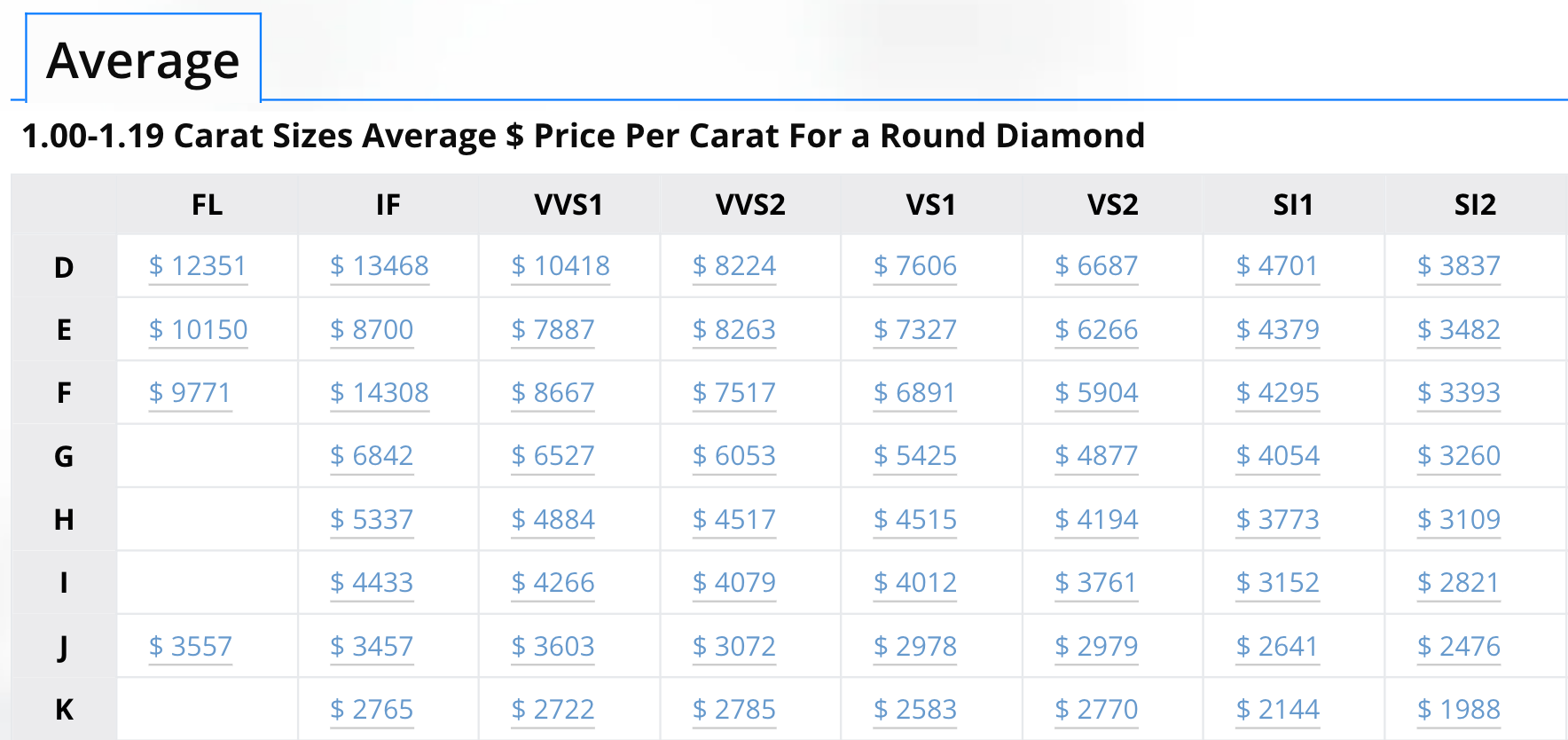
High-quality natural diamonds (1-carat+, D-F color, IF-VVS clarity) saw average annual price increases of 8% in 2025, far outpacing lab-grown stones. This underscores the unique, appreciating value of premium natural diamonds.
You can explore the enduring value and timeless beauty of natural diamonds and gemstones at unbeatable prices on the CaratX marketplace.
Pillar 2: Lab-Grown Diamonds
The lab-grown diamond segment is the undisputed growth rocket in the industry. Valued at $23.56 billion in 2024, this market is projected to surge to $45.60 billion by 2030, expanding at a remarkable CAGR of 11.63%.
The Price Gap: The economic argument for lab-grown diamonds is undeniable. The average retail price for a 1-carat lab-grown diamond has fallen to $1,000 or less in 2025, compared to approximately $4,200 for a natural 1-carat diamond. This price differential, which ranges between 60% and 80%, is the primary driver of mass adoption.
As a result, consumers are using the savings to buy significantly larger stones. The average lab-grown diamond sold in 2025 was around 1.70 carats, compared to just 1.13 carats for natural stones.
Dominance in Engagement Rings: Lab-grown diamonds have completely transformed the bridal category. In 2025, lab-grown diamonds accounted for an estimated 70% of diamonds set in engagement rings, according to a report from Taylor and Hart, a dramatic increase from the previous year.
This marks a complete reversal from just a few years ago and signals the new normal for a generation of modern couples.
You can find the perfect lab-grown diamond for any occasion by exploring our extensive collection at CaratX.
Key Drivers of the Diamond Revolution -
Several powerful forces are accelerating this market transformation.
1. Technological Leap: The CVD Revolution
Advanced manufacturing methods, particularly Chemical Vapor Deposition (CVD) , have revolutionized supply. CVD allows for the rapid, cost-effective growth of high-quality diamonds in a laboratory setting.
Production capacity has exploded in recent years. For example, major players like KIRA Jewels have expanded to 4,000 CVD reactors, producing 250,000 polished carats monthly at their massive solar-powered facility. This influx of supply is making lab-grown diamonds more accessible and affordable than ever, building trust with a new generation of buyers.
2. The Conscious Consumer:
Modern buyers, especially Millennials and Gen Z, are highly informed and driven by values. They want to know the origin story of their purchases. Lab-grown diamonds offer a compelling narrative of ethical production with a potentially lower environmental footprint.
Research suggests lab-created diamonds can produce less than one-fifth of the carbon dioxide emissions compared to mined diamonds at certain operations. This resonates deeply with sustainability-conscious consumers.
3. The Rise of B2B and B2C E-Commerce
The digital transformation of the jewelry trade is a major tailwind. E-commerce platforms are providing retailers with a global reach, offering customers convenience, comparison tools, and secure transactions. This is where platforms like CaratX come in. Our marketplace is designed to connect B2B and B2C buyers with a global network of trusted sellers.
Whether you are a jeweler looking to source inventory or a consumer seeking the perfect piece, the future of diamond trading is online.
Sellers can register on CaratX to start selling to 18+ international countries and tap into a global demand pool.
Natural vs. Lab-Grown: A Detailed Comparison
To help navigate this bifurcated market, here is a clear comparison of the two sectors.
Natural diamonds dominate in wealth preservation and legacy positioning.
Lab-grown diamonds are reshaping the market through price accessibility and scalability.
The industry is not shifting from one to another, it’s segmenting into two distinct demand pools.
The Future of Value (2026–2030 & Beyond)
Looking ahead, the market's trajectory is clear. Lab-grown diamonds will continue to capture significant market share in fashion and bridal jewelry, expanding the overall market by attracting new consumers. The DMCC’s "The Future of Trade" report estimates the lab-grown diamond jewelry market could double to over $50 billion by 2030.
For natural diamonds, the future lies in emphasizing their unique status as rare, finite, and emotionally resonant assets. They are not competing on price; they are competing on legacy. The industry is also exploring exciting new frontiers, such as the use of diamonds in advanced technologies like semiconductors and quantum computing. This could create an entirely new demand stream and potentially bring long-sought price stability to the lab-grown sector.
Frequently Asked Questions (FAQs)
1. Which is a better investment: natural or lab-grown diamonds?
For long-term value retention and potential appreciation, natural diamonds, especially rare, high-quality stones, are the clear choice. Lab-grown diamonds are a depreciating asset; their prices have fallen dramatically and are expected to continue declining as production technology improves. They are excellent for affordable luxury but not as financial investments.
2. How can I tell the difference between a natural and a lab-grown diamond?
To the naked eye, and even under standard magnification, they are identical. They share the same physical, chemical, and optical properties. Specialized equipment is needed to detect the minuscule differences in their crystal growth patterns. Always rely on a reputable grading report from a lab like GIA or IGI, which will clearly state the diamond's origin.
3. Is the lab-grown diamond market just a fad?
The data suggests otherwise. With a projected double-digit CAGR and mainstream adoption, lab-grown diamonds are a permanent and growing segment of the jewelry industry. They have successfully democratized access to diamond jewelry and are here to stay.
4. How is CaratX adapting to the changing diamond market?
CaratX is built for this new reality. Our platform empowers sellers to reach a global audience for both natural and lab-grown diamonds and jewelry. We provide the tools and infrastructure to navigate this bifurcated market successfully. Start selling to 18+ international countries today by registering on our B2B and B2C marketplace. You can also sell your jewelry internationally through our comprehensive seller plans.
To help you navigate and grow your diamond business, CaratX offers a suite of resources and tools:
Start Selling Globally: Ready to expand your reach? Register now to start selling diamonds and jewelry to B2B and B2C buyers in over 18 countries: www.caratx.com/register
Shop for Diamonds & Gemstones: Find the perfect natural diamond, lab-grown stone, or gemstone for your needs at unbeatable prices. Explore our marketplace: www.caratx.com
Seller Plans: Learn more about how our seller plan can help you take your business international: www.caratx.com/register
Pricing Information: Get detailed information about our pricing and plans here: https://caratx.com/generic-pages/launch-your-products-on-caratx
Launch Your Products: Ready to showcase your collection? See how you can launch your products on CaratX: https://caratx.com/generic-pages/launch-your-products-on-caratx
Conclusion: Seize the Opportunity with CaratX
The diamond market from 2026 to 2030 is a story of growth, division, and immense potential. The bifurcation into natural and lab-grown diamonds is not a threat but an evolution, creating two distinct, thriving markets.
Whether you are a seller of heirloom-quality natural diamonds or a producer of innovative lab-grown fashion pieces, the key to success is access to a global, liquid marketplace. That's where CaratX comes in. Our platform is designed to help you navigate this new landscape, connect with buyers worldwide, and unlock the full potential of your business.
The future of diamonds is bright, and it's bifurcated. Don't just watch the market change be at the forefront of it.
Start your journey today. Register on CaratX and begin selling to 18+ international countries.